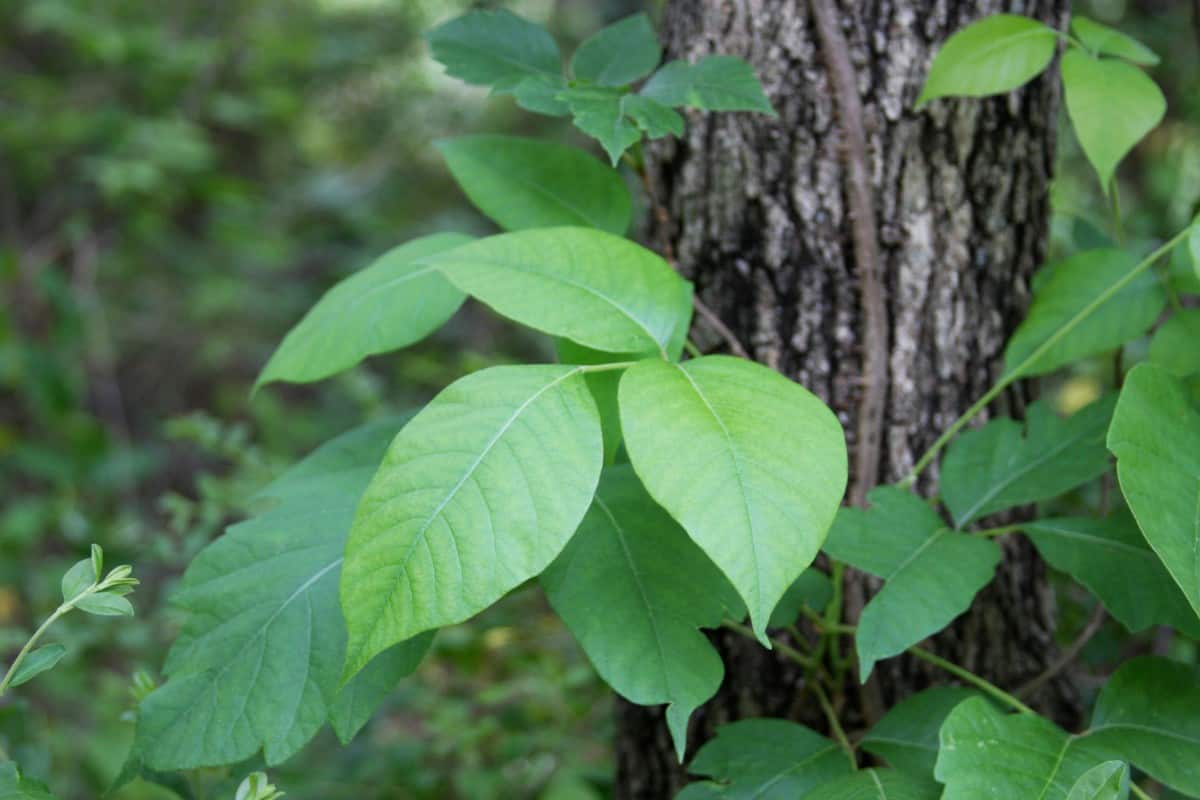
When one thinks of navigating through the dense, untamed wilderness, images of adventure and tranquility may flood the mind. But what if those moments of serene beauty are intertwined with the lurking menace of poisonous plants? Take a moment to consider an intriguing question: Does poison ivy have thorns? The simple answer is no, but the reality of identifying poison ivy and understanding its attributes can pose quite the challenge for outdoor enthusiasts and nature lovers alike. Let’s delve into the intriguing world of this notorious plant and unravel its myths, attributes, and safe practices for encountering it.
First and foremost, poison ivy, scientifically known as *Toxicodendron radicans*, is a member of the cashew family. Often found in wooded areas, fields, and gardens, this hardy perennial plant thrives in a variety of environments. What distinguishes poison ivy is its trifoliate leaf structure, featuring three leaflets that can vary in shape and size. The leaf color transitions with the seasons, showcasing vibrant greens in spring and summer, fiery reds and oranges in autumn, and a barren starkness during winter.
Many people often confuse poison ivy with other harmless plants, particularly due to its leaf composition. The famous adage “leaves of three, let it be” serves as a beneficial mnemonic. However, without the tell-tale thorns to signal danger, one must remain vigilant and educated.
But the question remains: If poison ivy lacks thorns, what adaptations does it possess to ward off potential threats and facilitate its survival? One of the most vital characteristics of poison ivy is its toxic oil, known as urushiol. This potent compound resides in the leaves, stems, and roots of the plant, providing an effective deterrent against herbivores seeking an easy meal. To further complicate matters, many people experience allergic reactions to urushiol, resulting in irritating rashes upon contact. Surprisingly, nearly 50 million people in the United States experience these unpleasant reactions annually. Understanding this unique aspect of poison ivy is essential for outdoor activities.
When identifying poison ivy, one should not overlook its growth habits. The plant can manifest as a climbing vine that wraps around trees and structures, a sprawling shrub, or a ground-covering plant. Its versatile morphology allows it to adapt and thrive in various conditions. This flexibility can make detection challenging, particularly when it’s camouflaged among other foliage. A casual observer may neglect to identify the mottled green leaves among the rich tapestry of summer growth, only to find themselves regretting the oversight long after they have ventured too close.
Interestingly, while poison ivy does not possess thorns, it often occurs in habitats alongside thorn-bearing plants like blackberry and rose bushes. This juxtaposition can confuse even seasoned foragers and outdoor enthusiasts. Imagine weaving through the underbrush and encountering a tangle of sharp thorns and enticing, yet perilous, poison ivy. The experience demands acute awareness and discernment to navigate safely.
What about the methods for ensuring safety in areas rife with poison ivy? An effective strategy includes donning protective clothing while traversing through potentially contaminated terrain. Long sleeves, pants, and gloves create a physical barrier between the skin and the urushiol, significantly reducing the risk of exposure. Additionally, learning and recognizing other native plants can bolster identification skills and foster greater appreciation for the botanical diversity of an area.
Another critical consideration is disposal and cleanup. Should one find themselves in a situation where contact with poison ivy is inevitable, immediate washing with soap and water can help diminish the severity of any potential reaction. It is also essential to clean any clothing or gear that may have come into contact with the plant, as urushiol can linger long after the initial encounter. By maintaining diligence, outdoor enthusiasts can continue to enjoy nature while minimizing risks.
In conclusion, while poison ivy might lack the ominous presence of thorns, it possesses its own arsenal of defenses that make it a formidable plant in the wild. From the distinctive trifoliate leaves to the notorious urushiol, poison ivy demands respect and caution from those who traverse its territory. The playful question of whether poison ivy has thorns leads us back to the importance of awareness and education. So, as you wander through nature’s splendid offerings, remember to embrace the wisdom of “leaves of three, let it be,” and continue to explore and enjoy the splendour of the great outdoors, doing so with an enlightened perspective.










Leave a Comment