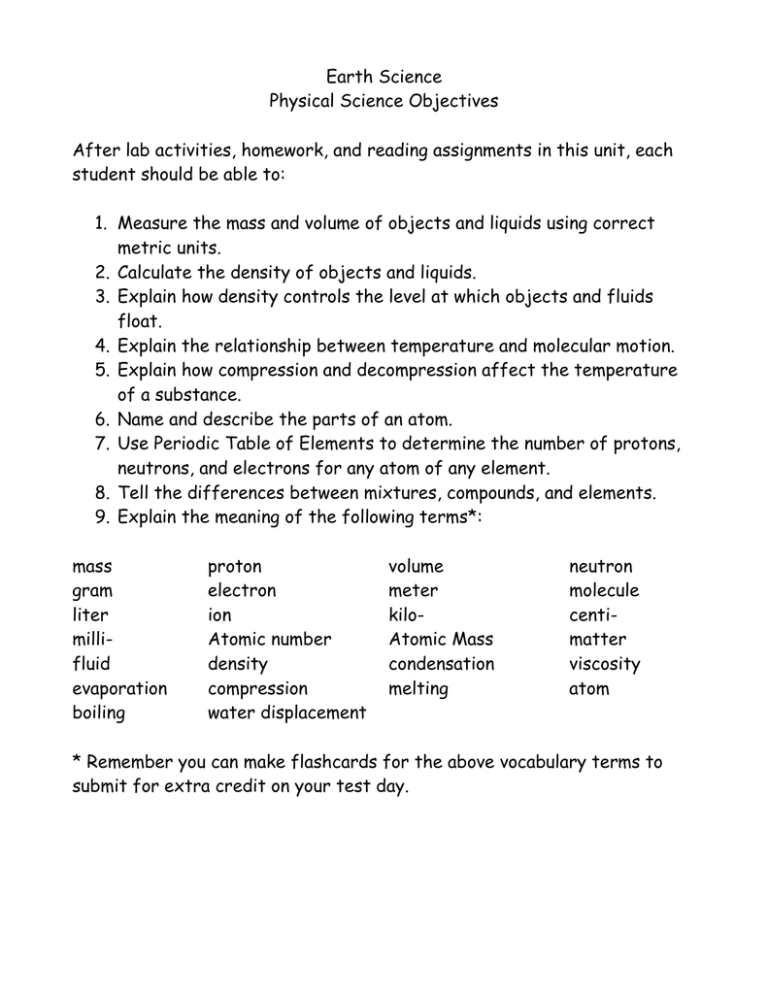
Earth science and physical science are two distinct yet intertwined fields of study that explore the intricacies of our planet and the fundamental laws that govern the physical universe. These branches of science not only broaden our understanding of Earth’s processes, systems, and materials, but they also provide insight into the broader mechanics of existence. In this comprehensive guide, we will delve into the diverse content and various sub-disciplines within Earth and physical sciences, elucidating their significance and interconnections.
1. Overview of Earth Science
Earth science encompasses several domains that scrutinize the Earth’s structures, processes, and its place within the cosmos. This broad category includes geology, meteorology, oceanography, and environmental science, each offering unique perspectives on terrestrial phenomena.
– Geology
Geology is the cornerstone of Earth science, dedicated to the study of the Earth’s solid matter. Geologists investigate the composition, structure, and processes of rocks and minerals. They also analyze how geological forces shape landscapes and ecosystems over vast timescales through processes such as erosion, sedimentation, and tectonics. Understanding the geological history of our planet is vital for predicting natural hazards and locating valuable resources.
– Meteorology
Focusing on atmospheric phenomena, meteorology delves into the dynamics of the Earth’s atmosphere, encompassing weather patterns, climate systems, and meteorological events. Meteorologists utilize a range of tools, including satellite imagery and computer models, to predict weather changes and analyze climate trends, which are crucial for agriculture, disaster management, and public safety.
– Oceanography
Oceanography examines the Earth’s oceans, covering aspects such as marine ecosystems, ocean currents, and chemical properties of seawater. As the oceans play a pivotal role in regulating the Earth’s climate and supporting biodiversity, oceanographers study various phenomena like tsunamis, tides, and the impacts of climate change on marine life.
– Environmental Science
Environmental science is an interdisciplinary field that integrates principles from biology, chemistry, geology, and social sciences to understand environmental systems and address ecological challenges. This domain emphasizes sustainable practices by examining the interactions between human activities and natural environments. It tackles pressing issues like pollution, habitat destruction, and climate change, aiming to develop strategies for conservation and responsible resource management.
2. Overview of Physical Science
Physical science encompasses the study of the fundamental principles governing the universe, focusing on the composition and behavior of matter and energy. It comprises various disciplines, including physics, chemistry, astronomy, and materials science, all of which provide a deeper understanding of the forces and interactions that shape our reality.
– Physics
Physics is the study of matter, energy, and the phenomena that arise from their interactions. It seeks to elucidate the fundamental laws that govern the natural world, from the smallest subatomic particles to the vast cosmos. Topics explored include mechanics, thermodynamics, electromagnetism, and quantum mechanics. The insights gained from physics are instrumental in fields like engineering, technology, and even philosophy.
– Chemistry
Chemistry, often referred to as the “central science,” investigates the composition, structure, and properties of substances, as well as the transformations they undergo during chemical reactions. Divided into several branches, such as organic, inorganic, physical, and analytical chemistry, this discipline seeks to explain the molecular basis of phenomena, from the simplicity of a water molecule to the complexity of biopolymers. Understanding chemical interactions is crucial for advancements in medicine, industry, and environmental science.
– Astronomy
Astronomy is the scientific study of celestial bodies, including stars, planets, galaxies, and the universe as a whole. This discipline merges the principles of physics and mathematics to explore the origins, evolution, and physical properties of the cosmos. Astronomers utilize observational techniques and theoretical models to uncover the mysteries of dark matter, black holes, and the possibilities of extraterrestrial life.
– Materials Science
Materials science investigates the properties and applications of various materials, including metals, ceramics, polymers, and composites. By understanding how different materials behave under various conditions, scientists can innovate and develop new technologies, ranging from lightweight aerospace components to advanced medical implants. This interdisciplinary field draws upon principles from physics, chemistry, and engineering to create materials that meet specific performance criteria.
3. Interconnections Between Earth Science and Physical Science
While distinct, Earth science and physical science are inextricably linked. For instance, understanding atmospheric conditions through meteorology requires knowledge of thermodynamics and fluid dynamics from physics. Similarly, geochemical processes that shape Earth’s crust are rooted in chemical reactions and principles of chemistry. The study of climate change exemplifies the convergence of both fields, as it demands insights from geology, oceanography, and atmospheric physics to comprehensively address its multifaceted impacts.
4. The Importance of Integrative Science
In an era characterized by rapid environmental changes and technological advancements, the integration of Earth and physical sciences is paramount. This interdisciplinary approach fosters a more holistic understanding of complex systems, enabling scientists, policymakers, and communities to devise effective strategies for sustainability, disaster preparedness, and resource management. The convergence of these fields lays the groundwork for innovative solutions to pressing global challenges.
As the future unfolds, the synergy between Earth science and physical science will continue to yield invaluable insights into our planet and the universe. By fostering interdisciplinary collaboration, researchers will enhance our understanding of fundamental processes and contribute to the stewardship of our shared environment. Embracing this integrative perspective is not only key to scientific advancement but also essential to cultivating a sustainable future for generations to come.









Leave a Comment