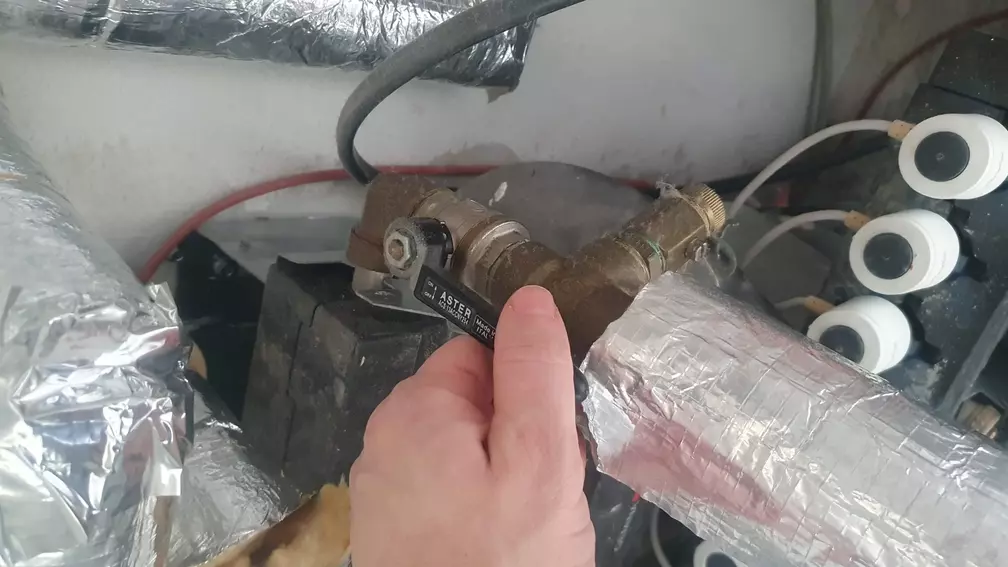
In the event of a plumbing emergency, understanding how to efficiently manage your water supply is paramount. An emergency water shut-off can mean the difference between a minor inconvenience and a significant, costly disaster. Knowing when and how to shut off your water can protect your property and provide peace of mind. This article provides an in-depth exploration of emergency water shut-off scenarios, tools, tips, and preventive measures.
Types of Shut-Off Valves
Understanding the various types of shut-off valves is crucial for any homeowner. Each valve serves a distinct purpose and can be located at different points throughout your plumbing system. Below are the primary types:
- Main Water Shut-Off Valve: This is typically located near where the water main enters your home, often in the basement or a utility area. It controls the flow of water to your entire house. Familiarize yourself with its location and operation; in an emergency, ease of access can save valuable time.
- Branch Shut-Off Valves: These valves control the water supply to specific fixtures, such as sinks, toilets, or appliances. Each bathroom or kitchen may have its own valves, allowing for localized control without shutting off the entire home’s water supply.
- Gate Valves: These valves use a gate mechanism to start or stop the flow of water. While reliable, they can sometimes be difficult to turn, particularly if they haven’t been used for an extended period.
- Ball Valves: Offering a quarter-turn operation, ball valves are often easier to use in emergencies compared to gate valves. They provide a reliable and swift method to stop water flow, making them ideal for rapid response situations.
Proper Maintenance of Shut-Off Valves
Understanding the types of valves is just the beginning. Regular maintenance is essential to ensuring they are in working order when needed. Here are some maintenance tips:
- Test the Valves: Every six months, test your shut-off valves by turning them off and on. This practice helps ensure they are operational and prevents corrosion or buildup that can render them ineffective.
- Inspect for Leaks: Carefully examine the areas around your shut-off valves for signs of moisture or mold growth, which can indicate leaks. Addressing these issues promptly can prevent larger problems down the line.
- Apply Lubrication: If you encounter stiff valve operation, consider applying a lubricant specifically designed for plumbing fixtures. This can help ease the turning mechanism and prolong the valve’s lifespan.
Scenario Planning: When to Use Your Shut-Off Valve
Identifying when to use your emergency water shut-off valve can be pivotal in minimizing damage. Here are typical scenarios that warrant a shut-off:
- Pipe Bursts: A sudden increase in water pressure can cause a pipe to burst, leading to flooding. Shutting off the main valve as soon as a burst is detected prevents further water damage.
- Severe Leaks: Noticeable leaks from fixtures can quickly escalate if not addressed immediately. Shut off the water to the affected fixture until professional help can be secured.
- Flooded Basements: If a basement floods due to heavy rain or a plumbing malfunction, shutting off the main valve can help mitigate further water ingress and limit property damage.
- Unattended Water Appliances: Appliances such as washing machines or dishwashers can present risks if they malfunction. Shutting off the water supply when leaving home can prevent catastrophic leaks.
Tools and Equipment for Emergency Shut-Off
Preparation is key to managing plumbing emergencies effectively. Having the right tools on hand can facilitate a smoother shut-off process:
- Adjustable Wrench: This versatile tool is indispensable for turning shut-off valves and can adjust to various sizes of fittings.
- Flashlight: In case of an emergency during nighttime or in poorly lit areas, a reliable flashlight can help you locate valves and navigate water-damaged spaces safely.
- Bucket or Towels: Keeping a bucket or towels nearby can assist in containing spills or leaks around shut-off areas during an emergency.
Preventive Measures to Avoid Emergencies
In addition to knowing how to shut off your water, taking proactive steps can help prevent emergencies altogether. Here are some effective strategies:
- Seasonal Inspections: Schedule routine plumbing inspections at least twice a year to identify potential weak spots in your plumbing system before they result in emergencies.
- Winterize Your Plumbing: In cooler climates, taking precautions during the winter months, such as insulating pipes, can prevent freezing and bursting.
- Install a Water Leak Sensor: Advanced leak sensors can alert you of leaks before they escalate into severe emergencies, allowing for early intervention.
Conclusion
In sum, understanding the intricacies of emergency water shut-off is a critical aspect of responsible homeownership. From familiarizing yourself with different types of shut-off valves to employing preventive measures, being prepared ensures that you can respond appropriately to plumbing mishaps. Additionally, proper maintenance and having the right tools can significantly diminish the potential for damage. As with any emergency preparedness plan, knowledge, and foresight are your best allies in safeguarding your home from the unforeseen complications of water-related issues.










Leave a Comment