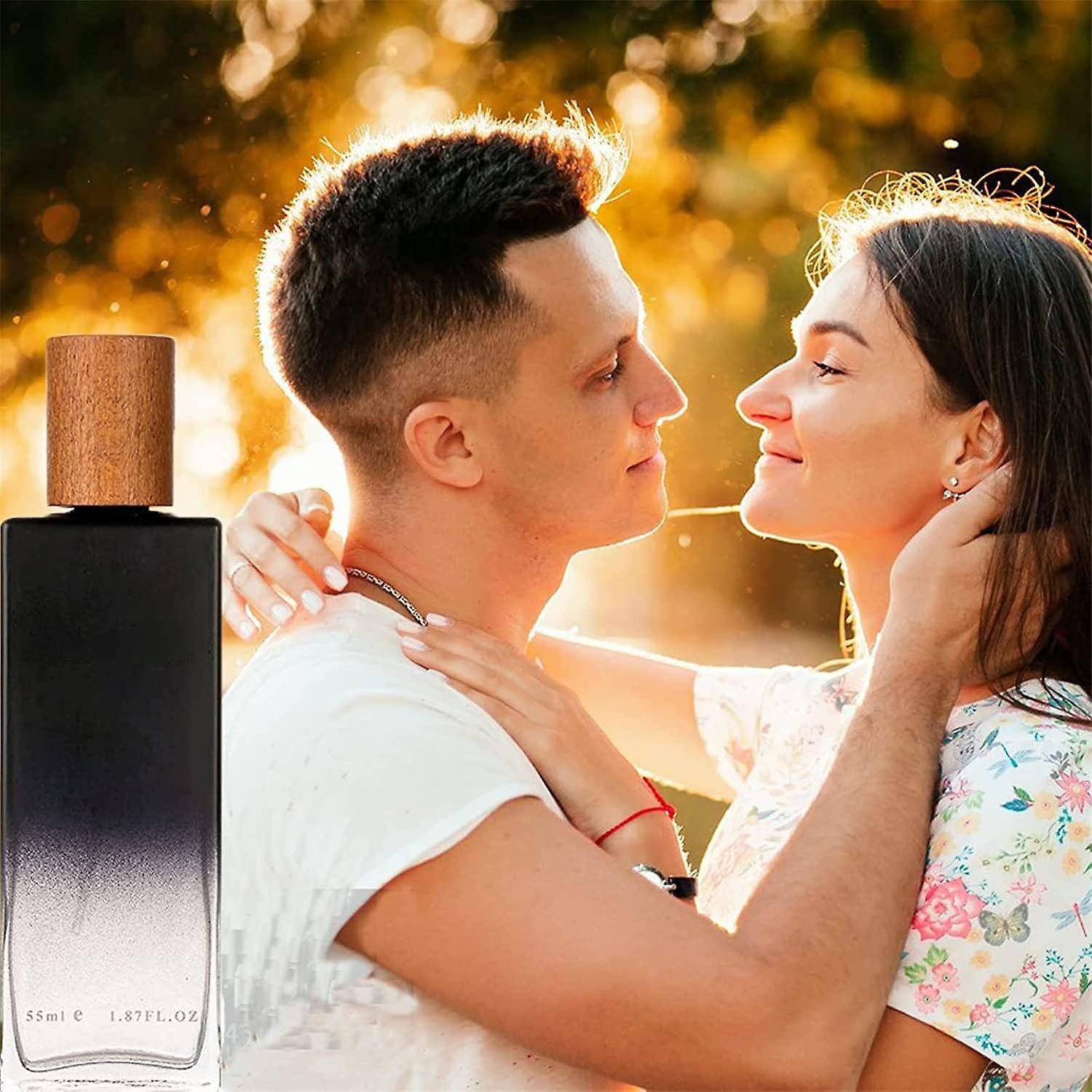
In the luxurious realm of fragrances, the distinctions between various types—Extrait de Parfum and Eau de Parfum—play a pivotal role in the choice of scent. While both deliver enchanting aromas, their compositions, concentrations, and overall experiences diverge significantly. Understanding these differences can enhance one’s appreciation of perfumery and aid in selecting the perfect scent for any occasion. This detailed exploration will guide you through the intricacies of Extrait de Parfum and Eau de Parfum, their characteristics, usage, and what one might expect when choosing between the two.
1. Understanding Fragrance Concentration
At the heart of any fragrance is its concentration of essential oils, which is a primary differentiator between Extrait de Parfum and Eau de Parfum. Extrait de Parfum, often referred to as pure perfume, typically contains between 20% to 40% pure fragrance oils. This high concentration results in a scent that is deep, complex, and remarkably long-lasting.
In contrast, Eau de Parfum (EDP) usually contains about 15% to 20% fragrance oils. While still potent, the essence of an EDP is lighter than that of an Extrait, which can lead to a more fleeting fragrance experience. This subtle difference in concentration can dramatically affect one’s olfactory experience.
2. Longevity and Sillage
When it comes to longevity, Extrait de Parfum reigns supreme. Its rich composition allows it to linger on the skin for several hours, or even throughout an entire day. This makes Extrait an exceptional choice for evenings out or special occasions where one desires a long-lasting impression.
Eau de Parfum, while less enduring than its concentrated counterpart, still offers commendable longevity. Typically, an EDP will last anywhere from four to eight hours, depending on factors such as skin type, environment, and application method. The sillage—or the trail a fragrance leaves behind—tends to be more pronounced in Extrait de Parfum, whereas EDPs may create a softer aura.
3. Olfactory Profile
The olfactory profile of Extrait de Parfum tends to be profoundly intricate. A high concentration of fragrance oils allows for a multi-layered scent that evolves over time. This evolution includes the initial burst of top notes, the development of heart notes, and a lasting foundation of base notes. Each component is crafted to reveal itself at different moments, creating a rich and enveloping experience.
Conversely, Eau de Parfum presents a more straightforward scent journey. While it still boasts an appealing complexity, the nuances may be less pronounced compared to Extrait de Parfum. EDPs are celebrated for their more immediate impact, making them suitable for daily wear, where simplicity coupled with elegance is desirable.
4. Ideal Usage Scenarios
Choosing between Extrait de Parfum and Eau de Parfum often depends on the intended usage scenario. Extrait de Parfum is exemplary for formal occasions, romantic evenings, or events where one seeks to make a memorable impression. Its depth and concentration can enhance the aura of sophistication and allure.
Eau de Parfum, on the other hand, fits seamlessly into everyday life. It is versatile enough for office wear, casual outings, or even after exercising, providing a refreshing burst of fragrance without overwhelming the senses. The lighter nature of EDP allows for more frequent reapplication throughout a day.
5. Price Considerations
With a higher concentration of fragrance oils comes a steeper price tag. Extrait de Parfum is often regarded as a luxury item and, as a result, can be significantly more expensive than Eau de Parfum. The crafting of Extrait de Parfum typically involves more meticulous processes and higher quality ingredients, which contributes to its cost.
Eau de Parfum tends to offer a more budget-friendly option for fragrance enthusiasts, allowing for a broader selection without the financial commitment that Extrait de Parfum often necessitates. This affordability makes EDP a popular choice among the general public, appealing to those who enjoy variety in their fragrance wardrobe.
6. Application Techniques
The application method can also differ between the two types of fragrances. Extrait de Parfum, owing to its concentrated nature, requires a more judicious application. A mere dab on pulse points—like wrists and behind the ears—can suffice to release its enchanting aroma. Layering it with unscented body lotion can also enhance its longevity while ensuring an even distribution.
Eau de Parfum typically allows for a more liberal spray; it can be applied to clothing, hair, and skin without the risk of overpowering the senses. This flexibility invites creativity, enabling individuals to create a personalized scent experience.
7. Personal Preference
Ultimately, the choice between Extrait de Parfum and Eau de Parfum largely comes down to personal preference. Some individuals crave the potent, luxurious essence of an Extrait, while others may favor the airy, approachable charm of Eau de Parfum. Understanding one’s olfactory preferences, lifestyle, and even budget can greatly assist in making this decision.
Conclusion
In the diverse world of fragrances, Extrait de Parfum and Eau de Parfum each hold unique charms and characteristics. While Extrait de Parfum dazzles with its intensity and longevity, Eau de Parfum offers a lighter, more casual fragrance experience. Whether preparing for a special occasion or simply enjoying a day of leisure, knowing the distinctions between these two poetic forms of scent allows one to choose fragrances that align with their preferences and needs. In the grand tapestry of perfumery, both Extrait de Parfum and Eau de Parfum have their rightful place, each inviting exploration and enjoyment in its own exquisite manner.







Leave a Comment