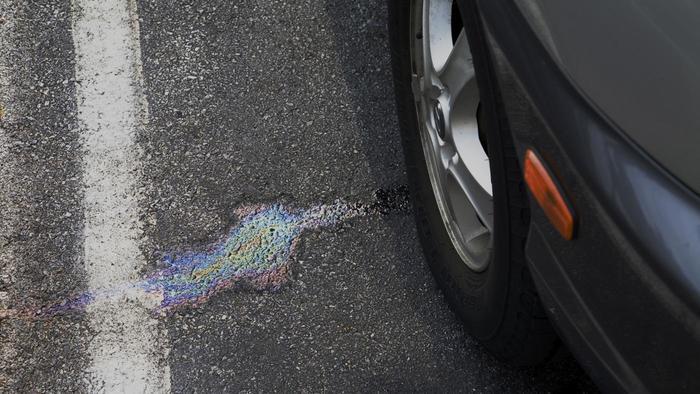
When it comes to vehicular maintenance and safety, few issues are as pressing and hazardous as a gas leak in a car. Such leaks can not only compromise the vehicle’s performance but also pose significant risks to both the occupants and the surrounding environment. Understanding the intricacies of fuel leaks—identifying their causes, recognizing their symptoms, and knowing how to address them—can empower vehicle owners and enhance their safety on the road.
In this comprehensive guide, we will explore various facets of gas leaks, from their potential origins to preventive measures and proper repair techniques, ensuring you are well-equipped to tackle these troubling situations should they arise.
Understanding Gas Leaks
A gas leak in a car primarily refers to the unintended escape of fuel, which can occur in multiple forms—vapor or liquid fuel escaping from any component of the fuel system. The ramifications of such leaks can vary, ranging from minor performance issues to catastrophic accidents. Hence, comprehending the underlying mechanisms is crucial for any vehicle owner.
Common Causes of Gas Leaks
Identifying the root cause of a gas leak is paramount in addressing the issue effectively. Several common culprits can lead to fuel leakage:
- Fuel Line Damage: Over time, fuel lines—comprised of rubber, plastic, or metal—can deteriorate or develop cracks due to age or exposure to extreme temperatures. Any breach in these lines can result in fuel leakage.
- Faulty Fuel Injectors: Fuel injectors play a pivotal role in delivering fuel to the engine. If these components become clogged, corroded, or otherwise compromised, they can leak fuel, often noticeable by the surrounding area becoming damp or developing a strong fuel odor.
- Worn-Out Seals and Gaskets: The seals and gaskets that hold various components together are prone to wear over time. Their degradation can lead to gaps, allowing fuel to escape.
- Damaged Fuel Tank: Physical damage to the fuel tank—such as punctures or corrosion—can lead to significant leaks. This is often seen in older vehicles or those that have been involved in collisions.
Signs of a Gas Leak
Being vigilant about the symptoms indicative of a gas leak is essential for timely intervention:
- Fuel Odor: One of the most immediate signs of a gas leak is the unmistakable smell of gasoline. If you detect this odor inside or near the vehicle, it is imperative to investigate further.
- Puddles or Stains: Look for any visible liquid pooling underneath your car. Gasoline is typically dark-colored and has a distinctive odor, making it identifiable.
- Engine Performance Issues: A compromised fuel system can cause poor engine performance manifested by sputtering, rough idling, or decreased acceleration.
- Check Engine Light: Modern vehicles are equipped with an array of sensors that monitor engine performance. A gas leak may trigger the check engine light on your dashboard, indicating that an issue needs to be addressed.
Immediate Actions to Take
If you suspect a gas leak, prompt action is essential to ensure safety:
- Safety First: Immediately stop driving and turn off the engine. If you are in a congested area, exit the vehicle carefully and maintain a safe distance until the situation is assessed.
- Avoid Ignition Sources: Do not smoke, use electronic devices, or introduce any open flames nearby. Gasoline vapors are highly flammable, and sparks can ignite them.
- Assess the Situation: While maintaining distance, attempt to visually inspect for signs of leakage beneath the car. If you notice fuel pooling, immediately alert professionals or call for roadside assistance.
Long-Term Solutions and Repairs
Addressing gas leaks necessitates a thorough approach involving inspection, repair, and prevention:
- Professional Inspection: Engage the expertise of a qualified technician for a comprehensive inspection of your fuel system. They can identify leaks quickly and accurately, minimizing risk.
- Component Replacement: Depending on the source of the leak, components such as fuel lines, injectors, or seals may need to be replaced. Using OEM (Original Equipment Manufacturer) parts is advisable for optimal performance.
- Preventive Maintenance: Regular vehicle maintenance can mitigate the risk of gas leaks. Routine inspections can help catch potential issues before they escalate, prolonging the life of your fuel system.
- Storage Practices: If you own a vehicle that will be stored for an extended period, consider utilizing fuel stabilizers and keeping the tank filled to reduce moisture accumulation, which can lead to corrosion.
Conclusion
A gas leak in your car is not an issue to be taken lightly; it calls for expediency and thorough understanding. By recognizing the signs, understanding the causes, and taking immediate and long-term action, you can ensure not only your safety but also the integrity of your vehicle. Proactive maintenance, coupled with a keen awareness of changes in your vehicle’s performance, will greatly reduce the likelihood of experiencing a gas leak. Ultimately, ensuring your car operates safely and efficiently is not just a benefit—it’s a necessity. Stay informed, stay vigilant, and drive safely.











Leave a Comment