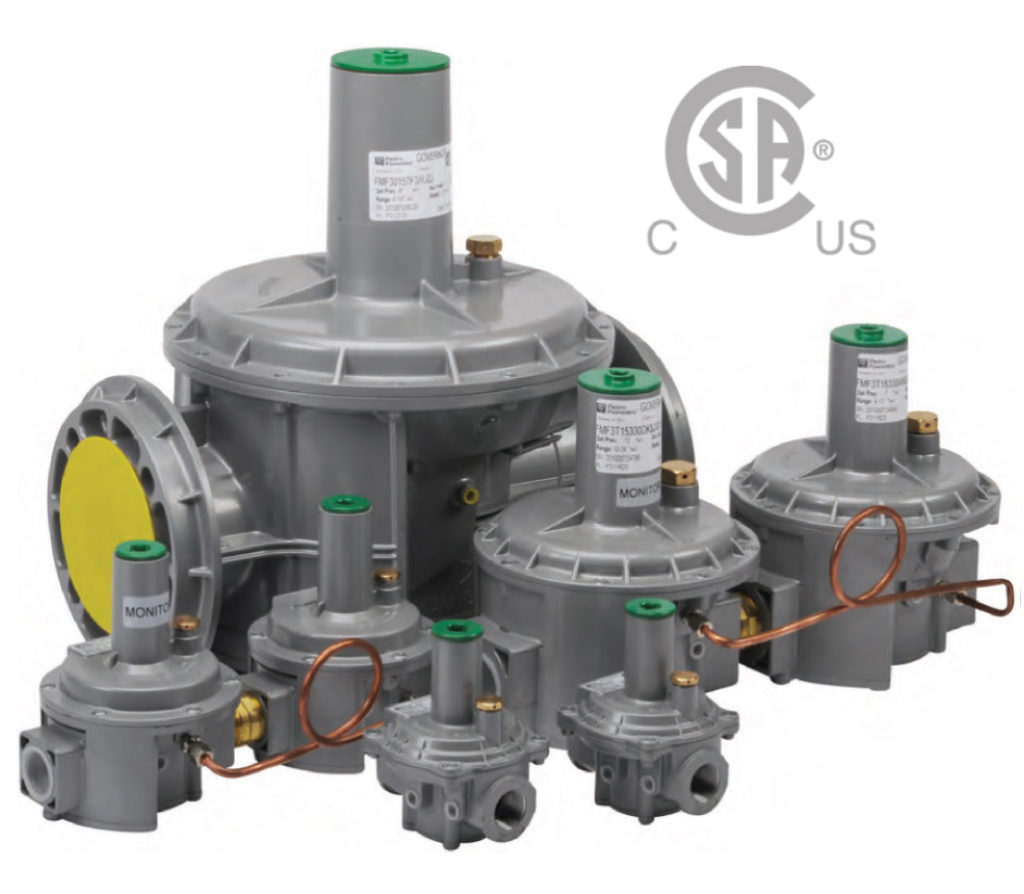
In the symphony of automotive engineering, the gas line pressure regulator serves as the conductor, orchestrating the delicate balance between fuel delivery and engine performance in older vehicles. For vintage car enthusiasts and mechanics alike, understanding this unsung hero’s role is akin to appreciating a maestro’s subtle influence over a complex musical score. With older cars, where character and craftsmanship resonate throughout the chassis, maintaining the efficiency of the fuel system is paramount. The gas line pressure regulator fulfills this need, ensuring that every car—an elegant relic—operates as intended, harmonizing power and response.
The gas line pressure regulator is a dynamic valve situated between the fuel tank and the engine, pivotal in modulating the fuel pressure fed to the engine’s injectors or carburetor. It operates much like a maestro’s baton, adjusting the flow of fuel based on engine demand. In older cars, particularly those designed with a carbureted fuel system, the regulator transforms a potentially chaotic flow of fuel into a precise stream, catering to the engine’s whims with graceful efficiency.
One of the primary roles of a gas line pressure regulator is to ensure the engine receives the correct fuel pressure. Many older cars were equipped with mechanical fuel pumps that are less adept at maintaining optimal pressure under varying conditions, causing spikes or drops that could adversely affect performance. This is where the regulator steps in, much like a seasoned guide leading a wayward traveler through undulating terrain. By modulating the pressure, it safeguards the engine from the detrimental effects of fluctuating fuel supply, preserving the integrity of its performance.
The design complexity of these regulators may appear daunting at first glance. However, within their intricate mechanics lies simplicity—often embodied in a spring-loaded diaphragm mechanism that reacts to the pressure changes in the fuel line with a deftness reminiscent of a dancer’s pirouette. As fuel pressure enters the regulator, it compresses a spring within, which in turn positions the diaphragm to open or close a valve, thereby increasing or decreasing fuel flow to the engine. The balance achieved by this delicate system is a testament to the ingenuity that characterizes older automotive technology.
The significance of this component becomes even more pronounced when considering the aging infrastructure of older cars. As vehicles age, the likelihood of wear and tear in the fuel system increases, potentially leading to issues such as fuel leaks or inconsistent delivery pressures. An inadequately functioning regulator can result in a plethora of symptoms, including poor fuel economy, engine stuttering, or excessive exhaust emissions. Thus, maintaining or replacing an aging gas line pressure regulator is akin to restoring a vintage clock; it’s an essential part of preserving the harmony and functionality of a cherished antiquity.
When seeking a replacement for an old gas line pressure regulator, it is imperative to consider several critical factors. Compatibility, expressed through model numbers and specifications, ensures that the new regulator will synchronize seamlessly with the older car’s fuel system. Equally important is the pressure rating; an improper match can compromise performance, leading to either fuel starvation or flooding the engine—both potentially catastrophic outcomes.
Moreover, one should note the materials used in the making of regulators. Older vehicles may benefit from regulators constructed with modern composite materials, offering resistance to corrosion—a ubiquitous adversary in aging fuel systems. Embracing advanced materials does not only enhance durability but also promises to extend the lifespan of these integral components, nurturing them through the seasons.
An often-overlooked element when considering a gas line pressure regulator is the installation process. While many enthusiasts might undertake this endeavor as a personal challenge, it is advisable to consult a professional mechanic or technician for intricate fuel systems in vintage cars. Just as a master craftsman brings finesse to their artistry, a knowledgeable technician will ensure that the regulator is installed correctly, optimizing the overall performance of your beloved vehicle.
Once installed, the gas line pressure regulator must be monitored for any signs of degradation. Regular maintenance checks, including inspections of the fuel lines for leaks and verification of pressure readings, will ensure ongoing efficiency and performance. These checks can be seen as preventative medicine, prolonging the life of both the regulator and the engine, much like an annual health examination for a vintage wine, ensuring it remains in peak condition for years to come.
In conclusion, the gas line pressure regulator is not just a trivial component; it is a fundamental pillar supporting the architectural marvels of older cars. By understanding its functions, implications, and maintenance requirements, enthusiasts and restorers can ensure their vintage vehicles continue to embody the elegance and performance for which they were originally designed. Just like the care bestowed upon a cherished heirloom, maintaining the integrity of the gas line pressure regulator safeguards not only the engine’s performance but also the spirit of the automotive craftsmanship that continues to inspire us all.











Leave a Comment