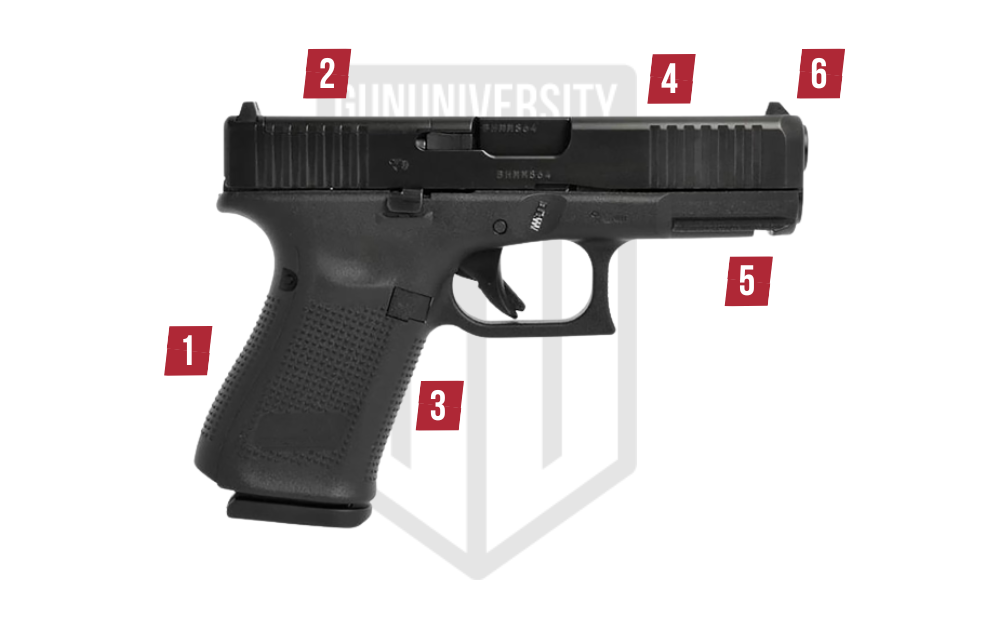
When delving into the world of handguns, two models that often emerge in conversations are the Glock 19 and Glock 23. Both formidable in their own right, they serve unique niches within the realm of self-defense and sport shooting. This article endeavors to illuminate the salient distinctions and similarities between these two eminent Glock offerings, providing prospective buyers, enthusiasts, and casual observers with a comprehensive understanding.
1. Historical Context of Glock Models
To appreciate the nuances between the Glock 19 and 23, one must first consider their origins. The Glock 19 was introduced in 1988, designed primarily as a compact, versatile handgun for law enforcement and civilian applications. Conversely, the Glock 23 emerged in 1990, a compact variant chambered for the more potent .40 S&W cartridge. Understanding these timelines establishes a foundational knowledge of their market positioning.
2. Caliber and Ballistics
The most pronounced difference between the Glock 19 and 23 lies in their caliber. The Glock 19 is chambered in 9mm, a round known for its manageable recoil and high magazine capacity. In contrast, the Glock 23 fires the .40 S&W, which delivers greater stopping power but with increased recoil. This dichotomy influences not only ballistics but also the types of situations each handgun is best suited for, establishing the 19 as a favored choice for those prioritizing rapid target acquisition and the 23 for those favoring firepower.
3. Size and Weight: Tactical Advantage
Though both weapons are considered compact, they do exhibit variance in dimensions. The Glock 19 measures approximately 7.36 inches in overall length and stands 4.99 inches tall, with a barrel length of 4.01 inches. Weighing in at around 23.65 ounces unloaded, its size affords excellent concealability without compromising handling ease. In contrast, the Glock 23 exhibits a similar length of approximately 7.28 inches but is slightly thicker and heavier at about 23.99 ounces. The marginal differences in size may be pivotal for daily carriers seeking discretion.
4. Magazine Capacity
One of the significant attributes influencing many buyers is magazine capacity. The Glock 19, chambered in 9mm, typically comes with a standard magazine capacity of 15 rounds, providing ample firepower without frequent reloads. Meanwhile, the Glock 23 generally has a lower capacity due to its larger caliber, holding 13 rounds of .40 S&W. Although both handguns can accept extended magazines, which dramatically increase capacity, the base figures often play a crucial role in decision-making.
5. Ergonomics and Handling
The ergonomics of a handgun can significantly impact shooting comfort and accuracy. The grip angles and textures on both models are designed for optimal hand placement and control. The Glock 19’s grip accommodates a wide range of hand sizes, allowing shooters to maintain precise control under rapid fire. The Glock 23, while similar in design, affords a different feel due to its slight increase in girth, which may be preferable for those with larger hands. Shooting both models can yield important insights into which better suits individual preferences and performance expectations.
6. Recoil Management
The difference in caliber between the Glock 19 and Glock 23 translates directly into different recoil management experiences. The 9mm cartridge’s lower recoil allows for quicker follow-up shots and improved accuracy in rapid-fire situations. The Glock 23, while still manageable, exhibits greater recoil due to the increased energy of the .40 S&W round. Shooters sensitive to recoil may find the Glock 19 more accessible, particularly for extended shooting sessions.
7. Purpose and Usage Scenarios
Each firearm can excel in various environments. The Glock 19 is often favored for concealed carry, home defense, and range use due to its versatility, capacity, and comfort level for most users. Its 9mm chambering makes it a solid choice for new shooters and seasoned veterans alike. The Glock 23, however, is often selected for duty use by law enforcement personnel and more experienced shooters who prioritize the increased stopping power of the .40 S&W round. The decision on which to carry often hinges on the intended application.
8. Customization and Aftermarket Support
Both Glock models boast a robust aftermarket support network, providing shooters with a plethora of customization options ranging from sights and triggers to grips and holsters. This adaptability allows users to tailor their firearms to fit their specific shooting styles and preferences, enhancing performance. Enthusiasts will find extensive resources and communities surrounding each variant, ensuring that modifications can be as unique as the individual user.
9. Price Considerations
Pricing can fluctuate based on the model, condition, and available features. Generally, the Glock 19 is slightly more affordable than the Glock 23, a factor that may weigh heavily on buyers on a budget. However, the long-term costs should also be considered, particularly with regard to ammunition. 9mm rounds are often more economical compared to the .40 S&W.
10. Conclusion: Making the Selection
In summation, both the Glock 19 and Glock 23 serve distinct roles within the world of handguns. The benefits of each model cater to different needs and preferences. The Glock 19 is ideal for those prioritizing capacity, versatility, and manageable recoil, while the Glock 23 appeals to enthusiasts who value stopping power and do not mind the additional recoil. Assessing individual requirements, comfort, and expected applications will ultimately guide the choice between these two iconic firearms. Whether you lean towards the Glock 19 or the Glock 23, both options promise reliability, durability, and performance that are quintessential to the Glock legacy.









Leave a Comment