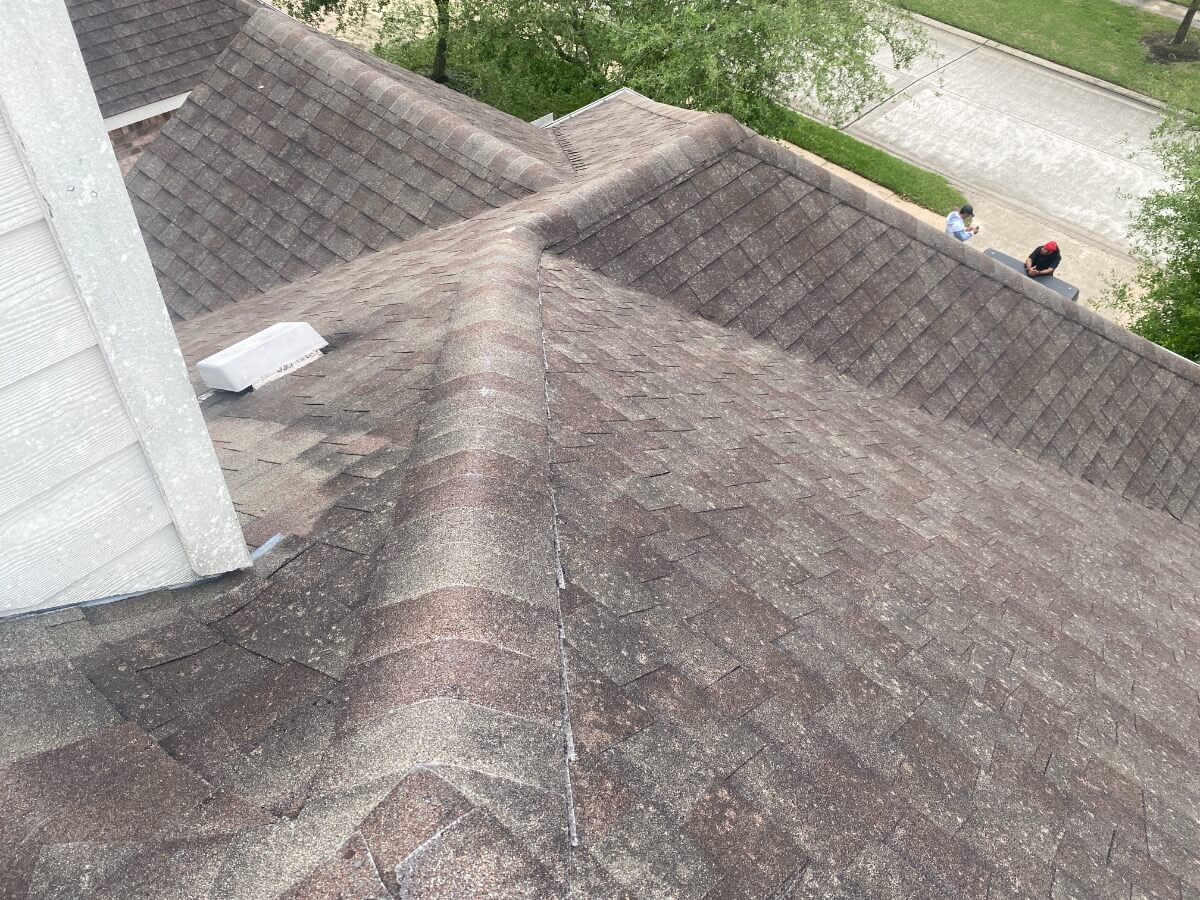
Hail damage to roofs is a phenomenon that elicits both concern and curiosity among homeowners. When the tempestuous skies unleash their icy projectiles, the aftermath can leave a trail of destruction that is not only visible but also costly. This article delves into the intricacies of hail damage roof replacement, exploring the implications of such damage, the processes involved in replacement, and the broader significance of these occurrences.
Understanding Hail Damage
Hail, a form of precipitation composed of balls or irregular lumps of ice, can vary greatly in size, from small pea-sized particles to colossal stones resembling golf balls. The severity of hail damage depends on factors such as the size of the hailstones, the speed at which they fall, and the duration of the storm. Consequently, it is essential to grasp the mechanics of hail impact and the potential repercussions on roofing materials.
When hail strikes, it creates pits, cracks, and other structural impairments on roofing surfaces. Asphalt shingles, metal roofs, and tile roofs all sustain different types of damage, each requiring a specific approach to inspection and replacement. It is this intricate relationship between roof materials and hail dynamics that makes roof replacement a topic of both practical concern and undeniable intrigue.
Signs of Hail Damage
Being able to identify the signs of hail damage is paramount for homeowners. Often, the damage is not immediately perceptible, leading to persistent problems down the line. Here are several indicators that may suggest your roof has been compromised:
- Dents and Dings: Visible indentations on shingles, metal panels, or gutters indicate intense impacts.
- Granule Loss: The loss of colored granules from asphalt shingles exposes the underlying material to further wear and UV radiation.
- Cracks and Fractures: Look for visible cracks or fractures in shingles or tiles, a clear sign of more severe damage.
- Leaks and Water Damage: Any water intrusion into the attic or living spaces may signify roofs needing urgent replacement due to hail damage.
- Shingle Curling: Curling or buckling of shingles can also indicate underlying structural issues exacerbated by hail storms.
Assessment and Inspection
Upon suspecting roof damage from hail, conducting a thorough inspection is crucial. This entails assessing both the exterior and interior of the roof system. Homeowners can begin by inspecting their roofs from the ground using binoculars or, if safe, by climbing up onto the roof itself. However, many opt to enlist professional roofing contractors for a comprehensive assessment. This is recommended, as experienced eyes can easily identify hidden damage that may not be apparent to untrained observers.
When a professional inspection occurs, it often involves a meticulous examination of shingles, gutters, downspouts, and attic ventilation. Contractors will document any findings, providing homeowners with a detailed report outlining the extent of the damage and the recommended course of action, whether it be repairs or a complete roof replacement.
The Replacement Process
When the decision to replace a hail-damaged roof is confirmed, the actual process can be a daunting, yet fascinating journey. It begins with the selection of materials. Homeowners often face a multitude of options, from traditional asphalt shingles to contemporary metal roofs, each with their respective advantages and aesthetic appeals.
Once materials are selected, the next step is the removal of the old roofing. This phase can reveal unexpected complications beneath the surface, such as water damage or mold growth, which necessitates further repair before the new roof can be installed. The revelation of underlying issues often heightens awareness of the importance of timely inspections and routine maintenance.
After addressing any underlying concerns, the installation of the new roof commences. Roofing professionals will adhere to safety protocols and best practices, ensuring that the new material is correctly applied to withstand future storms. Proper installation is paramount, as an inadequately fitted roof can lead to accelerated wear and further complications.
Cost Considerations
The financial implications of hail damage roof replacement can vary widely based on several factors, including the type of materials chosen, the roof’s size, and local labor costs. Homeowners must weigh the long-term benefits of investing in durable roofing materials against the immediate costs of replacement. Moreover, many insurance policies will help to alleviate some of the financial burden associated with roof replacement. It is prudent to consult with your insurance provider to navigate potential claims.
Conclusion
In conclusion, hail damage roof replacement is a multifaceted issue that resonates deeply within the realm of homeownership. Understanding the intricacies of hail damage, knowing when to seek professional help, and being aware of the replacement process empowers homeowners to make informed decisions when disaster strikes. The dialogue surrounding hail damage not only emphasizes the resilience of structures but also underscores the need for preparation in the face of nature’s unpredictability. As storms rage and hail falls, the love for our homes compels us to restore, replace, and reinforce, ensuring that they withstand not just the elements but the test of time.









Leave a Comment