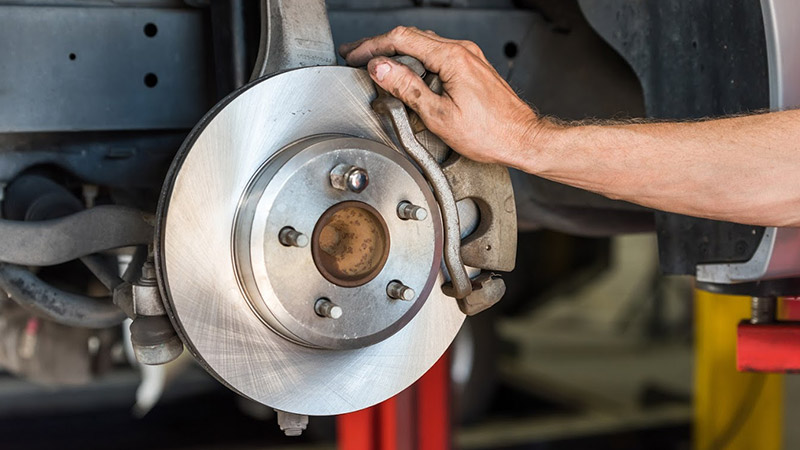
When it comes to the intricate workings of your vehicle, the braking system stands as an essential component—ensuring not only your safety but also the efficiency of your ride. Among the many mechanisms that work harmoniously to bring your car to a halt, brake rotors play a pivotal role. However, the question persists: how long do brake rotors last? This query transcends mere curiosity; it invites a deeper exploration of the factors influencing rotor longevity, leading to improved maintenance practices and, consequently, safer driving experiences.
First and foremost, it’s essential to recognize that the lifespan of brake rotors varies significantly based on a confluence of factors. Typically, most rotors can last anywhere from 30,000 to 70,000 miles. However, this estimation is far from static; instead, it is a reflection of diverse conditions and behaviors influencing their durability.
1. Driving Habits: The Crucible of Wear
Your driving style can significantly alter the longevity of your brake rotors. Frequent, aggressive braking—often seen in city driving—is a primary antagonist of rotor lifespan. Conversely, gentle braking habits associated with more relaxed driving can extend rotor life. The ardent driver might find themselves replacing rotors more frequently, whereas those who embrace a smoother approach could enjoy the benefits of prolonged durability.
2. Environmental Factors: Beyond Control
The environment in which you drive can equally dictate the lifespan of your rotors. Regions that experience harsh weather conditions, such as excessive rain, snow, or road salt, can lead to accelerated corrosion and wear. Additionally, driving on rough or unpaved roads may introduce contaminants and debris that compromise rotor integrity over time, demanding more frequent replacements than in controlled urban environments.
3. Type of Brake Pads: A Symbiotic Relationship
The relationship between brake pads and rotors is nothing short of symbiotic. The material composition of the brake pads can greatly influence rotor longevity. High-performance pads, often formulated with metal-infused composites, may provide superior stopping power but can result in increased wear on the rotors. In contrast, organic pads might be gentler, thereby preserving rotor integrity for extended periods, though at a potential trade-off in performance.
4. Quality of Components: The Price of Performance
Not all brake rotors are created equal. Higher-quality rotors, often manufactured to more stringent specifications, can endure greater stress and wear, subsequently extending their lifespan. Investing in premium rotors might initially seem costly but can ultimately prove economical in the long run. The market offers a range of options—from basic cast iron to exotic carbon-ceramic, each with distinct characteristics that impact their durability under specific driving conditions.
5. Regular Maintenance: The Unsung Hero
Routine maintenance—and the lack thereof—often serves as the unsung hero (or villain) in the tale of brake rotor longevity. Regular inspections of the braking system, including the rotors, are essential in identifying wear patterns early. Properly aligning your vehicle, ensuring tire pressure is consistent, and routinely checking for uneven wear can help in prolonging the life of both brake pads and rotors. Neglecting these tasks can lead to premature wear and tear, prompting unwanted replacements.
6. Signs of Wear: Timing is Everything
Identifying signs of rotor wear is paramount in maintaining your vehicle’s braking efficiency. Some telltale indicators include vibrations during braking, a squeaking noise as the brake pads come into contact with the rotor, or noticeable grooves and discoloration. Perhaps most importantly, if your vehicle pulls to one side during braking, it’s time to delve deeper into your brake system’s health. Catching these symptoms early can save you from more costly repairs down the line.
7. Rotors vs. Brake Pads: Know the Difference
Understanding the distinction between rotors and brake pads is crucial for effective maintenance. While brake pads are designed to wear out and are typically replaced more often, rotors endure a more prolonged lifespan. In many cases, when pads are replaced, rotors should also be checked to assess their condition. If the rotors are too worn or damaged, they may require resurfacing or replacement to maintain optimum braking performance.
8. Professional Assessment: The Value of Expertise
Engaging a professional mechanic to evaluate your brake system is invaluable. Their expertise not only ensures the correct assessment of rotor condition but also advises on appropriate replacement intervals tailored to your driving habits. The insights gained from a knowledgeable technician can shift your perspective on brake maintenance, fostering a proactive instead of reactive approach.
In conclusion, determining how long brake rotors last is not merely a matter of gauging mileage; it is an intricate interplay of various elements ranging from driving habits to environmental influences and component quality. By embracing a holistic understanding of these factors, car owners can foster improved maintenance strategies, thus enhancing safety and performance on the road. Ultimately, cultivating an awareness of these nuances transforms not just how we care for our vehicles but also elevates our overall driving experience.








Leave a Comment