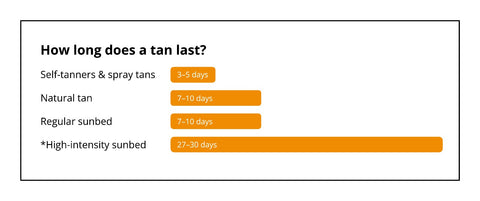
As summer approaches, the desire for that coveted sun-kissed glow intensifies. For many, a tan symbolizes vitality, outdoor adventures, and carefree days under the sun. But how long does that beautiful bronzed hue truly last? Understanding the lifespan of a tan requires delving into the science of skin, the various tanning methods, and factors that affect the longevity of that sunlit glow. Let’s explore the intricacies of tanning and unravel the enigma of just how long your tan really lasts.
The Basics of Tanning
When the skin is exposed to ultraviolet (UV) radiation, it produces melanin, a pigment that darkens the skin and serves as a natural defense against further sun exposure. This process results in the formation of a tan. However, it is essential to recognize that a tan is essentially the skin’s response to damage. It’s an adaptive mechanism that, when taken to extremes, can lead to long-term harm, including premature aging and an increased risk of skin cancer.
Types of Tans
To comprehend how long tans last, one must first understand the different types of tans produced by various methods:
- Natural Sun Exposure: This traditional method of acquiring a tan relies solely on sunlight. The duration of a sun tan typically ranges from 7 to 10 days, depending on skin type and care routines.
- Artificial Tanning Products: Tanning lotions, creams, and sprays introduce dihydroxyacetone (DHA), a chemical that reacts with the amino acids in the skin’s outer layer. These tans can last anywhere from 5 to 10 days, yet fade unevenly due to skin exfoliation.
- Salon Spray Tans: Professional tanning services use a specialized formula, providing an even and often longer-lasting color than home products. Results can last up to 7 days, although touch-ups may be necessary for enduring vibrancy.
- Indoor Tanning: Tanning beds emit controlled UV radiation to promote melanin production. However, results are often short-lived, usually between 5 to 10 days, and come with heightened health risks.
Factors Influencing Tan Longevity
Several factors determine how long a tan lasts. Just like a complex recipe, each component plays a pivotal role in the final product.
- Skin Type and Tone: Those with lighter skin tones might experience a more ephemeral tan at the onset, while individuals with medium to darker skin may retain their glow for a more extended period.
- Moisture Levels: Well-hydrated skin retains a tan longer than dry skin. Regular moisturizing can help maintain the integrity of your tan, making it imperative to hydrate both inside and out.
- Exfoliation Practices: The natural cycle of skin cell turnover leads to exfoliation, which diminishes the appearance of a tan. Eliminating the dead skin cells through exfoliation accelerates this process, hence leading to quicker fading.
- Environmental Factors: Factors such as swimming in chlorinated water, excessive sweating during exercise, or exposure to cold air can contribute to a tan’s premature fading.
How to Extend the Life of Your Tan
While the realization that tans gradually fade can be disheartening, there are several strategies to extend the life of that celestial bronze glow:
- Hydrate: Drink plenty of water to help maintain moisture in the skin. Additionally, use hydrating lotions or oils to nourish the skin, aiding in the prolongation of the tan.
- Avoid Exfoliation: If you wish to keep your tan for as long as possible, reduce the frequency of scrubs and exfoliating body washes that can speed up skin cell turnover.
- Use Tan Extenders: Many brands offer tan extender lotions that allow you to deposit a small amount of DHA, helping to maintain your glow without the need for full reapplication.
- Stay Away from Chlorine: Although summer’s herald may call you for a swim, unnecessary exposure to chlorine can hasten the fading of your tan. If you must swim, rinse off immediately afterward and apply moisturizer.
Conclusion: Embracing the Impermanence of Tans
The ephemeral nature of a tan can evoke mixed feelings; while the journey to acquire that sun-kissed luster is exciting, the realization that it will eventually wane might be disappointing. Understanding the factors that contribute to the longevity of your tan empowers you to take proactive steps in prolonging its life and retaining that summer glow. Whether you opt for natural sunlight, salon treatments, or artificial products, remember that moderation and care are essential in preserving not just your beauty, but also your skin’s health. So go ahead—embrace the glow, but always be mindful of the delicate balance between radiance and skin care.







Leave a Comment