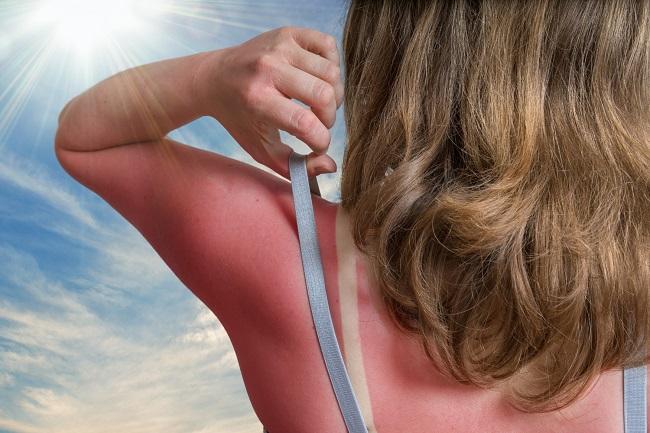
Ah, the allure of sun-kissed skin! The golden glow of a suntan is often considered the ultimate badge of summer enjoyment. But have you ever pondered the persistence of that bronzy hue? How long does a suntan actually last? And what if the glow fades faster than expected — would you be up for the challenge of maintaining it? Let’s embark on a journey to unravel the intricacies of suntans, from their inception to their eventual disappearance.
1. Understanding the Mechanism of Tanning
To delve into the duration of a suntan, it’s pivotal to first understand how tanning works. When your skin is exposed to ultraviolet (UV) radiation from the sun, it produces an increased amount of melanin, the pigment responsible for skin color. This protective response creates the beautiful bronze tint. However, this delightfully tan appearance is not as permanent as one might hope.
2. The Lifecycle of a Suntan
Typically, a suntan can last anywhere from a week to several months. The variance depends on numerous factors, including skin type, the intensity of UV exposure, and even post-exposure care. Understanding these variables can equip you with knowledge to optimize the longevity of that coveted glow.
3. Skin Type: The Foundation of Tanning Longevity
The Fitzpatrick scale classifies skin types, ranging from very fair (type I) to very dark (type VI). Individuals with darker skin tones generally have a more resilient tan due to higher melanin levels, allowing for longer-lasting color. Conversely, those with lighter skin may find their suntan fades more quickly, as their skin is less capable of producing melanin in response to UV. Recognizing your skin type can inform realistic expectations for how long your tan will last.
4. Time Spent in the Sun
Not all sun exposure is created equal. Those languorous lounge sessions poolside, basking in the sun, can yield a more profound tan than brisk strolls during lunchtime. The duration and intensity of UV exposure play crucial roles. Generally, about 30 minutes of intentional sunbathing can yield noticeable results, but repetitive exposure over days or weeks helps solidify the tan, ultimately extending its lifespan.
5. The Role of Skincare Products
After achieving that perfect tan, how you care for your skin can significantly impact its longevity. Hydrating lotions or oils that contain aloe vera and vitamin E can nourish the skin, anchoring the tan deeper within. Conversely, harsh scrubs or regular exfoliants can accelerate the fading process. Hence, a well-tailored post-tanning regimen can mean the difference between a week of golden glow and a month of sunlit splendor.
6. The Impact of Showering
If you’re a fan of long, hot showers, it may be time to rethink your bathing habits. Hot water can strip the skin of its natural oils, leading to premature tan fading. Opting for lukewarm showers and refraining from vigorous towel-drying can help preserve the tan while still maintaining hygiene. Showering just before bed may even enhance the tan’s retention as night creams settle in without interruption.
7. Environmental Factors
Climate and environment can also contribute to the lifespan of a suntan. For instance, frequent swimming in chlorinated pools or saltwater can accelerate fading. Similarly, excessive sweating can result in the washing away of the melanin that gives skin its bronzed hue. If you’re looking to prolong your tan, attempt to limit exposure to these elements post-tanning.
8. Seasonal Considerations
As the seasons change, so too does your skin’s ability to retain a tan. In summer, increased UV radiation allows for stronger melanin production. Conversely, the winter months often diminish exposure to sunlight, leading to faster tan obliteration. If late summer finds you still rocking your bronze, consider artificial tanning options or gradual tanning lotions to maintain that coveted glow through the colder months.
9. The Psychological Component: Embracing the Shift
Finally, it’s essential to discuss the emotional implications surrounding tan fading. The process of gradually losing that sun-kissed hue can evoke a spectrum of feelings, ranging from nostalgia to disappointment. Embracing the natural cycle of tanning can foster a healthier relationship with your skin. Finding joy in varied skin tones can lead to a more well-rounded self-perception.
10. A Bid for Balance
As you ponder the lifespan of your suntan, remember that moderation is key. Enjoy the sun, but also prioritize skin health. Frequent application of sunscreen, exploration of SPF-infused moisturizers, and maintaining a balanced skincare regimen can ensure your skin remains both radiant and healthy.
In conclusion, the duration of a suntan can be influenced by numerous factors, from skin type and care to environmental elements. While achieving and maintaining that sun-kissed glow can be a delightful endeavor, recognizing the ephemeral nature of tanning allows for a more mindful experience. Whether you choose to chase the sun or embrace your skin’s natural tone, the most potent glow comes from self-acceptance and a splash of playful spirit.






Leave a Comment