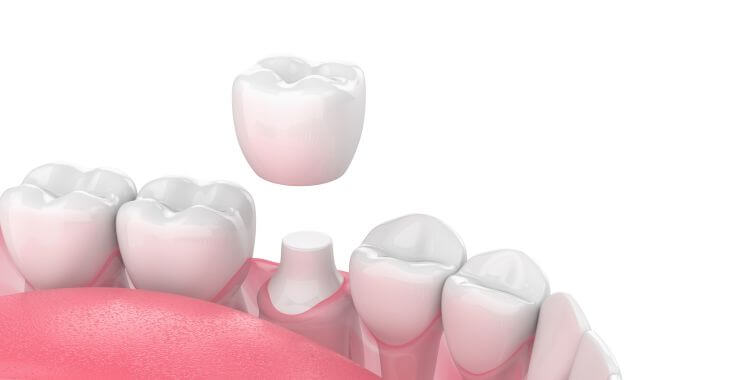
When faced with the prospect of dental work, many patients may find themselves wondering how long a temporary crown can endure before its inevitable replacement with a permanent fixture. Temporary crowns serve a critical purpose in restorative dentistry. They protect the underlying tooth and maintain proper alignment while the permanent crown is being fabricated. However, the duration for which these transitory solutions remain viable can be as perplexing as it is vital for overall dental health.
Typically, a temporary crown can last anywhere from a few days to several weeks, with a general expectation of about two to three weeks. This average duration depends on a multitude of factors such as the materials used, patient compliance, and the specifics of the dental procedure. Understanding these influential aspects offers a deeper insight into why these temporary solutions, though essential, are often met with ambivalence and anxiety.
1. Material Composition
The materials chosen for a temporary crown significantly affect its longevity. Common choices include acrylic resin, composite materials, and even metal. Acrylic crowns, while aesthetically pleasing, are often less durable, posing a risk of wear and tear more rapidly. In contrast, metal temporary crowns, though less visually appealing, can withstand greater pressure and are less susceptible to fracture.
2. Patient’s Oral Hygiene
Maintaining optimal oral hygiene is paramount for the longevity of a temporary crown. This includes brushing and flossing carefully around the crown to remove food particles and plaque. Neglect in maintaining oral cleanliness can lead to gum inflammation or decay, which compromises the integrity of the temporary crown and can significantly shorten its lifespan.
3. Dietary Choices
The consumption of hard or sticky foods poses a risk to temporary crowns. Foods such as ice, hard candies, and even certain varieties of nuts can exert excessive pressure, leading to dislodgment or fracture. Thus, adhering to a soft diet is recommended during the period in which a temporary crown is in place, safeguarding it from undue stress.
4. Habits and Behaviors
Individual habits can have unforeseen ramifications on the durability of a temporary crown. For instance, teeth grinding (bruxism) or nail-biting can exacerbate wear on these fragile constructs. Furthermore, using teeth as tools for opening packages or bottles can lead to premature failure of the crown. An awareness of these behaviors can serve as a protective measure, preventing unnecessary complications.
5. Professional Techniques Employed
The skill and methodology of the dental professional also play a crucial role in the effectiveness and longevity of a temporary crown. Proper fitting and careful adjustment can enhance the overall performance of the crown, paving the way for a harmonious coexistence with surrounding teeth. An improper fit, conversely, can result in discomfort, increased wear, and potential failure.
6. Environmental Factors
One may not readily consider the influence of environmental factors on the lifespan of temporary crowns. The oral environment, particularly the levels of acidity in saliva, can affect the degradation of certain materials used in making temporary crowns. High acidic levels may accelerate the disintegration of certain resins, thereby reducing the crown’s durability. Such intricacies underscore the importance of individualized dental care.
7. Timeline for Replacement
In the grander scheme of restorative dentistry, time is of the essence. While temporary crowns can last two to three weeks on average, it is essential for patients to schedule appointments for permanent crowns expediently to ensure a seamless transition. Leaving a temporary crown in place for too long may lead to complications such as sensitivity or shifting of neighboring teeth, further complicating the restorative process.
8. Common Observations and Insights
Examining the nature of temporary crowns encourages an exploration of our fascination with dental restoration. The juxtaposition of fragility and purposeful design invokes intrigue. How can such a seemingly simple construct offer such pivotal support to dental architecture? This enigma draws attention to the delicate balance between form and function. Observations that temporary crowns often break or loosen highlight not only their transitory status but also raise broader questions about dental health practices and innovations in restorative materials.
Conclusion
The journey of living with a temporary crown can unequivocally impact one’s dental health and overall quality of life. While they provide critical support during the interim, awareness of their limitations can empower patients to take proactive measures for preservation. Adherence to prescribed care routines, mindful dietary choices, and a cognizance of one’s behaviors are essential practices that can prolong the lifespan of these dental aids. Ultimately, a deeper understanding of the intricacies involved in temporary crowns not only demystifies their role but also enhances the patient experience within the realm of restorative dentistry.










Leave a Comment