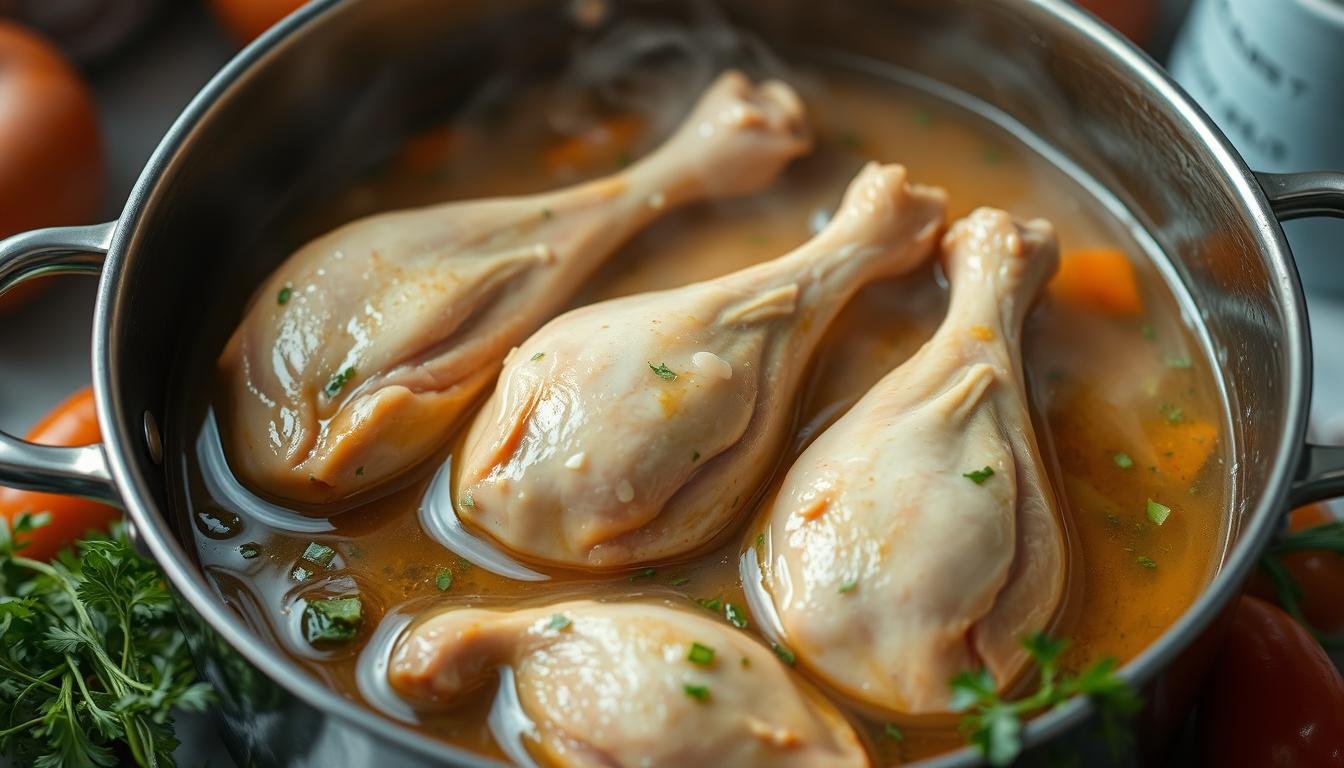
Picture this: It’s a crisp evening, the faint aroma of spices fills the air, and your stomach growls in anticipation of a hearty meal. You’ve settled on chicken drumsticks as the centerpiece. But wait—how long should you boil them? This might sound simple, yet many home cooks find themselves riddled with doubt. Are you curious to discover the secret to perfectly boiled chicken drumsticks while potentially stumbling upon a culinary conundrum? Let’s delve into the fascinating world of boiling chicken and uncover the nuances involved in achieving poultry perfection.
Boiling chicken drumsticks is not merely a matter of tossing them into boiling water and waiting for magic to happen. The process involves finesse, awareness of nuances, and a profound understanding of cooking dynamics. So let’s embark on this culinary journey to unveil the method for success.
Understanding the Basics: Temperature and Time
First, we must acknowledge the paramount importance of temperature. Chicken should always be cooked to an internal temperature of 165°F (75°C) to ensure food safety while delighting your taste buds. For drumsticks, this temperature often aligns with the timing of the boiling process. Typically, you’ll want to boil chicken drumsticks for approximately 30 to 40 minutes. However, several factors come into play that can tweak this timeline.
1. Size and Weight Matters
Drumsticks vary in size and weight. Larger drumsticks may require additional time to reach that coveted internal temperature. Conversely, smaller, more delicate pieces will cook more swiftly. If your drumsticks are particularly hefty, lean towards the upper end of the time spectrum. Remember, patience is indeed a virtue in the culinary arts.
2. Fresh vs. Frozen
Have you ever hesitated when reaching for frozen chicken drumsticks? If so, you’re not alone! Frozen drumsticks will invariably need extra time, especially at the onset. While you can boil frozen chicken, be prepared for an extended wait. Generally, the boiling time for frozen drumsticks can stretch from 45 to 60 minutes. The key is to ensure even cooking and to avoid the dreaded rubbery texture.
3. The Pot’s Power
The type of pot you utilize can influence boiling efficiency. A wide, shallow pot will encourage quicker boiling than a deep, narrow one. An excellent practice is to cover your pot with a lid. Doing so traps steam and raises the overall temperature, reducing cooking time and contributing to moist, succulent chicken.
4. Broth or Water? The Flavor Debate
Wouldn’t it be exquisite to infuse your chicken with flavor while it cooks? By using broth instead of plain water, you elevate the dish to another dimension of taste. A chicken broth solution can impart a delightful richness that will permeate the drumsticks. Along with the broth, consider adding herbs and spices—think thyme, rosemary, garlic, or even lemon slices—to enhance the aroma and flavor profile.
5. The Challenge of Skin-On vs. Skinless
Many cooks tackle the decision of whether to keep the skin on or to remove it before boiling. Keep in mind, skin-on drumsticks will emit additional fat during cooking, which can slightly extend the boiling time needed for thorough cooking. On the other hand, skinless drumsticks may cook a tad faster but could lack that textural contrast that the skin provides. Ultimately, it’s a decision grounded in personal preference—do you want to indulge in the crispy exterior post-boil, or are you opting for a leaner version?
6. Checking for Doneness: The Ideal Thermometer
If only a crystal ball could tell us if our chicken is done! Thankfully, a reliable meat thermometer makes this task infinitely easier. Insert the thermometer into the thickest part of the drumstick without touching the bone. Once you hit that golden 165°F mark, congratulations! You’ve triumphed in your boiling quest.
7. The Post-Boiling Ritual
After enduring the boiling challenge, one must not forget the crucial step of letting the drumsticks rest. Allow them to sit for about 5 to 10 minutes. This seemingly trivial pause makes a significant difference, as it allows the juices to redistribute, resulting in tender and flavorful chicken. It’s a moment of anticipation, akin to the calm before the feast!
Boiling versus Other Cooking Methods
Is boiling the best method for cooking chicken drumsticks? While boiling is certainly efficient, consider exploring alternative cooking techniques such as grilling, baking, or frying. Each method presents its own sensory delight, yielding unique textures and flavors. Nevertheless, mastering boiling provides a solid foundation for any aspiring cook and can be a valuable tool in your culinary repertoire.
Conclusion: The Art of Confidence
As we conclude this exploration into the intricacies of boiling chicken drumsticks, remember that confidence is just as crucial as technique. Engage with the ingredients, embrace the process, and don’t shy away from experimenting with flavors and timings. The next time you find yourself pondering how long to boil chicken drumsticks, recall these insights and transform your challenge into a splendid dining experience. Savor the adventure, for every kitchen escapade leads to delicious discoveries!





Leave a Comment