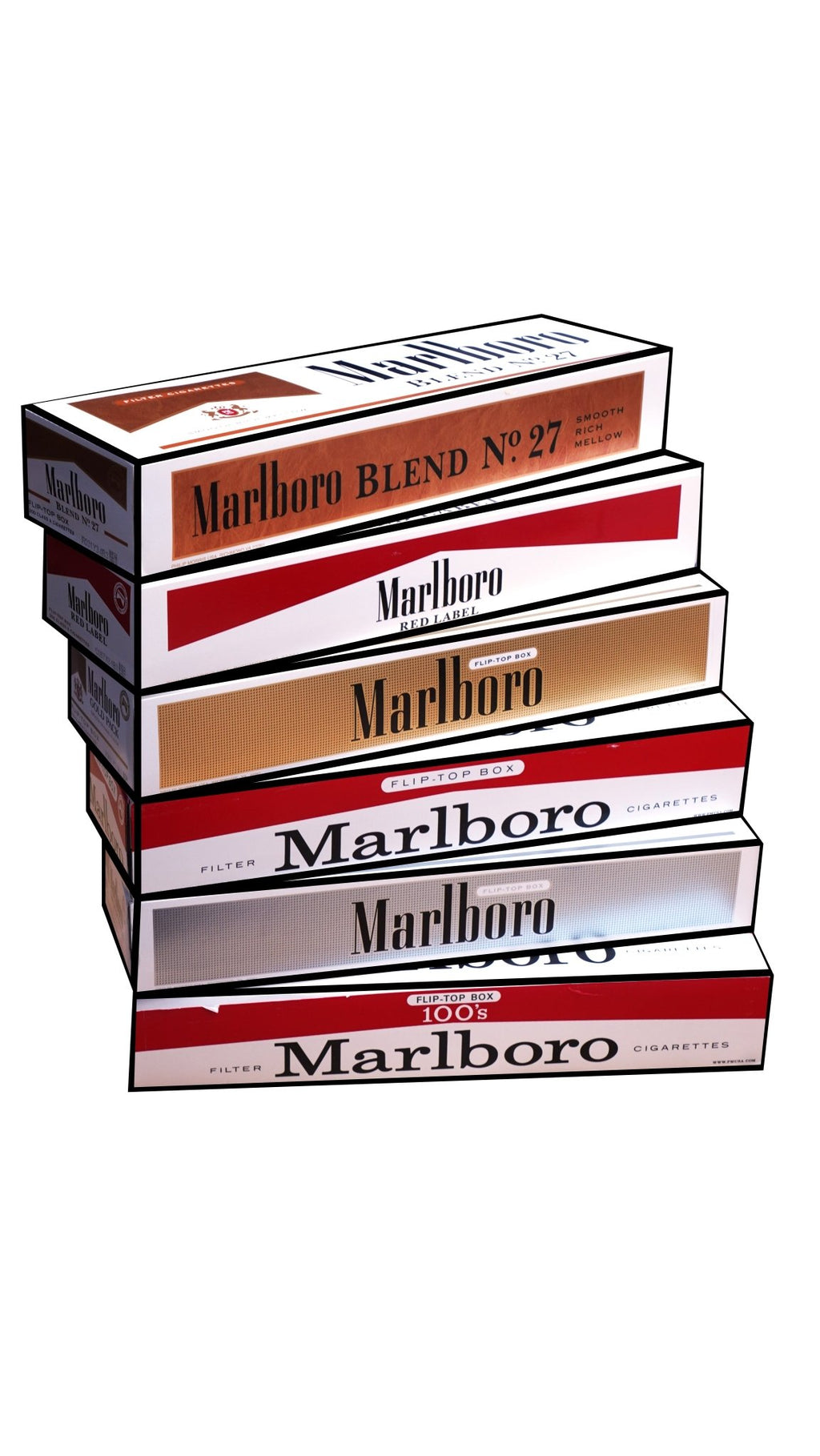
When it comes to the world of smoking, few brands capture the essence of tradition and recognition like Marlboro. However, one question often lingers in the air: “How much for a carton of Marlboro?” This inquiry often emerges from a mix of curiosity and practicality, especially amid considerations of budget, preferences, and even lifestyle choices. In the following discussion, we delve into the multifaceted realm of cigarette pricing, focusing on Marlboro, its variances, influencing factors, and the broader implications in the smoking community.
To understand the cost of a carton of Marlboro cigarettes, it is crucial first to comprehend the basic structure of pricing within the tobacco industry. Prices can vary dramatically depending on several influences such as geographical location, taxation, market demand, and the retail environment. Although specific prices fluctuate over time, the receptivity of consumers and the evolving dynamics of regulatory structures can render even the most stable pricing unsteady.
As of the latest insights, the price range for a carton of Marlboro typically hovers between $50 to $70 in the United States. This range reflects a significant variance influenced primarily by state taxes, which can be exorbitantly high in areas such as New York or California, pushing prices toward the higher end of the spectrum. Conversely, states with lower tobacco taxes may offer more favorable rates, allowing consumers to find cigarettes at substantially lower prices.
Additionally, it’s vital to distinguish between the different varieties of Marlboro cigarettes. Marlboro offers a plethora of options: from the classic reds to the smoother, menthol-infused varieties, each with its own market price. For example, a carton of Marlboro Red may cost slightly more due to its iconic status, while other blends like Marlboro Gold or Silver may present a more accessible price point. In this context, exploring the reasons behind the variation in pricing is essential to appreciating the Marlboro brand’s complexity.
Another essential factor influencing the cost is the retailer’s position within the market. Convenience stores, grocery chains, and specialized tobacco shops often set prices that reflect their operational costs and target consumer base. A locality’s price competition can either inflate or decrease costs significantly. Shoppers who are willing to venture beyond the typical convenience store might discover alternate pricing opportunities, particularly online platforms where promotions or bulk purchasing options can afford considerable savings.
Yet, the juxtaposition of price against the broader cultural implications cannot be overlooked. The pricing of cigarettes serves not only as a mere economic transaction but also as an instrument reflecting societal attitudes toward tobacco consumption. Since the late 1990s, there has been a notable downward trend in smoking rates, partly attributable to increasing prices driven by legislative measures aimed at curbing tobacco use. This societal shift has resulted in increased taxes on cigarettes as governments attempt to offset the healthcare costs associated with smoking-related illnesses. Hence, contemplating the price of a carton of Marlboro transcends mere numbers; it embodies a wider dialogue regarding public health, consumer behavior, and economic policy.
Moreover, when calculating the actual expenditure of buying a carton, consumers should factor in their smoking habits. A carton typically contains 10 packs, and an average pack of Marlboro comprises 20 cigarettes. For a regular smoker consuming a pack per day, the investment in a carton becomes apparent quickly. Understanding personal consumption habits is thus integral to evaluating the cost-to-benefit ratio of purchasing cartons over individual packs.
Digital platforms add another layer to this pricing discourse. The internet has revolutionized purchasing habits, allowing customers to access various options at the click of a button. However, it’s important to be cautious; not all online retailers are reliable, and prices may sometimes reflect added shipping costs that can negate savings. Ensuring that the sources are reputable is imperative for discerning patrons.
As consumers continue to navigate the intricate web of pricing, many find themselves in a position of weighing the financial aspect against lifestyle choices. Smoking is often imbued with social and habitual significance; for many, it represents relaxation, artistry, or even rebellion. Thus, the decision to invest in a carton of Marlboro transcends the merely economic and borders on philosophical considerations of identity and choice.
Observing the ongoing evolution of tobacco pricing invites curiosity about its future. With increasing health awareness and ongoing campaigns for smoking cessation, what does the future hold for prices? The potential for further regulation and additional taxation is on the horizon, prompting potential shifts in consumer behavior and market strategies. This uncertainty fuels discussions and speculation around not only Marlboro prices but also the entire tobacco industry landscape.
Ultimately, understanding the cost of a carton of Marlboro is more than a simple inquiry; it is a comprehensive exploration of economic theory, social implication, personal choice, and market dynamics. Heavily influenced by external factors and internal desires, the price tag of Marlboro cigarettes serves as a reflection of the intersection between individual consumption habits and collective societal norms. As consumers become increasingly knowledgeable, they are empowered to make informed decisions that resonate with both personal values and economic realities.
In conclusion, the next time the question arises about how much a carton of Marlboro costs, consider not just the numbers but the broader implications that accompany that inquiry. The interplay of price, lifestyle, and social responsibility is a complex tapestry that weaves through the very fabric of our contemporary society. Whether one smokes for pleasure, habit, or a sense of belonging, understanding the cost entails a deeper awareness of what it means to partake in this age-old practice amidst a modern context.








Leave a Comment