Are you ready to embark on a quest for knowledge that could significantly enhance your driving experience? The pursuit of fuel efficiency can feel daunting, particularly when navigating the maze of miles per gallon (MPG) figures. But fear not! Understanding and calculating MPG can transform your subsequent journeys into eco-conscious endeavors, potentially saving you money and conserving our precious resources. This guide will equip you with the necessary tools to demystify MPG and tackle the challenge of optimizing your vehicle’s performance.
1. Understanding MPG: The Basics
First, let’s unravel the concept of MPG. MPG is a measurement that indicates how efficiently a vehicle uses fuel. It signifies the number of miles a car can travel on a gallon of fuel. The higher the MPG, the farther you can go between fill-ups. This metric is crucial not just for budget-conscious consumers, but also for environmentally-aware individuals aiming to reduce their carbon footprint.
2. The Importance of Accurate Measurements
Before diving into calculations, it’s vital to assimilate the importance of accurate MPG measurements. Many factors influence your vehicle’s MPG, including driving conditions, maintenance, and even load weight. By obtaining precise figures, you’ll be better equipped to analyze your vehicle’s performance critically.
3. Tools and Techniques for Calculating MPG
To calculate MPG, you’ll need a few essential items: a reliable odometer, a fuel purchase receipt, and possibly a calculator or smartphone for ease of calculation. Here’s a straightforward method:
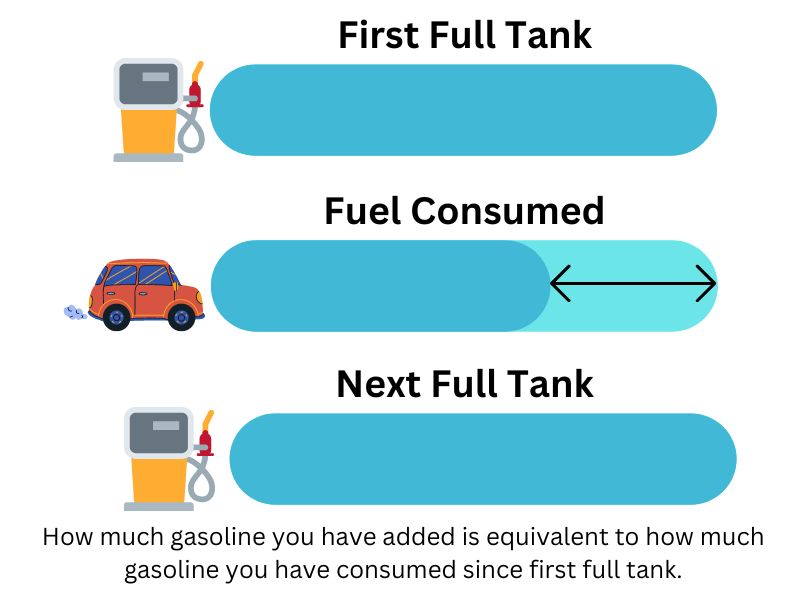
- Fill Up: Begin by filling your gas tank to its maximum capacity. Take note of the amount of fuel added.
- Reset the Odometer: After refueling, reset your trip odometer or record the current odometer reading.
- Drive: Utilize your vehicle as you normally would. Ensure you drive a sufficient distance to obtain a reliable average, ideally at least 100 miles or more.
- Refill: At your next refueling, record the gallons required to fill your tank again.
- Calculate: Use the formula: MPG = Total Miles Driven / Gallons Used. For example, if you drove 300 miles and used 10 gallons, your MPG would be 30.
4. Keeping Track of Your MPG
Incorporating a logbook, whether digital or traditional, can enhance your MPG tracking. Document every fuel purchase along with miles driven and MPG calculations. This practice can expose trends over time and highlight any fluctuations that may need addressing.
5. Factors Influencing Fuel Economy
Understanding the myriad factors that play into your MPG calculation is imperative. Consider the following components:
- Driving Style: Aggressive acceleration and hard braking can exacerbate fuel consumption.
- Maintenance: Regular oil changes, air filter replacements, and proper tire inflation influence efficiency.
- Load Weight: Excess weight can diminish MPG, as the engine works harder to propel the vehicle.
- Driving Conditions: City driving usually yields lower MPG than highway cruising due to frequent stops and starts.
- Weather Conditions: Harsh winters or hot summers can require additional energy, affecting your MPG.
6. Utilizing Technology to Your Advantage
In an era dominated by technology, consider leveraging apps and onboard computer systems designed for MPG tracking. Some vehicles are equipped with advanced telematics that can report fuel economy in real-time. Third-party smartphone applications can also assist in tracking fuel purchases and mileage, providing deeper insights into your driving habits.
7. Benchmarking Your Performance
Once you establish a consistent tracking routine, compare your results with manufacturer specifications or average MPG for your vehicle type. This benchmarking process can reveal how well your vehicle performs relative to similar models, encouraging adjustments where necessary. The pursuit of improvement can cultivate a sense of fulfillment as you witness your MPG figures climb.
8. Emphasizing Eco-Friendly Practices
Alongside monitoring MPG, adopting eco-conscious driving practices can further enhance fuel efficiency. Techniques such as smooth acceleration, maintaining steady speeds, and reducing idling can contribute to better fuel economy. Every small change culminates in a larger impact, ultimately supporting both individual savings and environmental preservation.
9. Facing Challenges and Setbacks
As you embark on this MPG calculation journey, be prepared to encounter challenges. From unexpected repairs to fluctuating gas prices, external factors can influence your ability to maintain consistency. Embrace these troubles as opportunities for learning. Adapt your techniques and remain steadfast in your commitment to enhancing efficiency.
Conclusion: The Road Ahead
As you embark on this adventure toward improved MPG, remember that knowledge equips you with the power to make informed choices. By understanding how to accurately calculate and track MPG, paying attention to the factors that affect it, and incorporating eco-friendly driving practices, you can significantly alter your driving experience. The pursuit is not merely about saving a few bucks at the pump; it’s also an endeavor toward sustainability and conscientious driving. Happy traveling!











Leave a Comment