Measuring pipe size may seem like a mundane task, yet it’s one fraught with intricacies and surprises. Have you ever found yourself pondering why the diameter of a pipe is different from the size printed on its label? What if the challenge lies not just in measurement but in understanding the standards that govern these seemingly straightforward figures? From plumbing to industrial applications, accurately determining the size of a pipe is vital for ensuring optimal function, flow, and safety. Let’s delve into the nuanced world of pipe measurement, illuminating the path to precision with a comprehensive guide.
The Importance of Correct Measurement
Before embarking on the measuring process, it’s imperative to recognize why accuracy is paramount. An incorrect pipe size can lead to leaks, pressure loss, or inefficient flow rates. This is particularly crucial in plumbing, where the wrong dimensions can spiral into costly repairs. Furthermore, understanding the discrepancies between nominal and actual sizes can save time and money, particularly in procurement and installation.
Understanding Pipe Dimensions
To measure pipe size accurately, you must first comprehend the types of dimensions involved. Typically, pipes are categorized into either imperial or metric systems, each with its own set of standards.
- Nominal Pipe Size (NPS): This refers to a standardized dimension that provides an approximation of the pipe’s internal diameter. For example, a pipe labeled as “2-inch” doesn’t actually have a 2-inch internal diameter.
- Actual Pipe Diameter: This measurement includes the wall thickness and varies based on pipe material. Understanding this can lead to more accurate fittings and connections.
- Wall Thickness: This dimension is crucial when discussing weight, strength, and flow characteristics of the pipe. It affects the internal diameter significantly.
Tools of the Trade
Armed with knowledge, you now need the right tools to execute precise measurements. Basic tools can yield accurate results if used correctly. Here’s what you’ll need:
- Tape Measure: A retractable measuring tape is your primary tool for assessing dimensions. Opt for one that reads in both metric and imperial units.
- Caliper: For greater precision, especially when dealing with smaller pipes or when particular measurement tolerances are required, use calipers to capture the outer and inner diameters.
- Depth Gauge: This tool will assist you in measuring the wall thickness of the pipe.
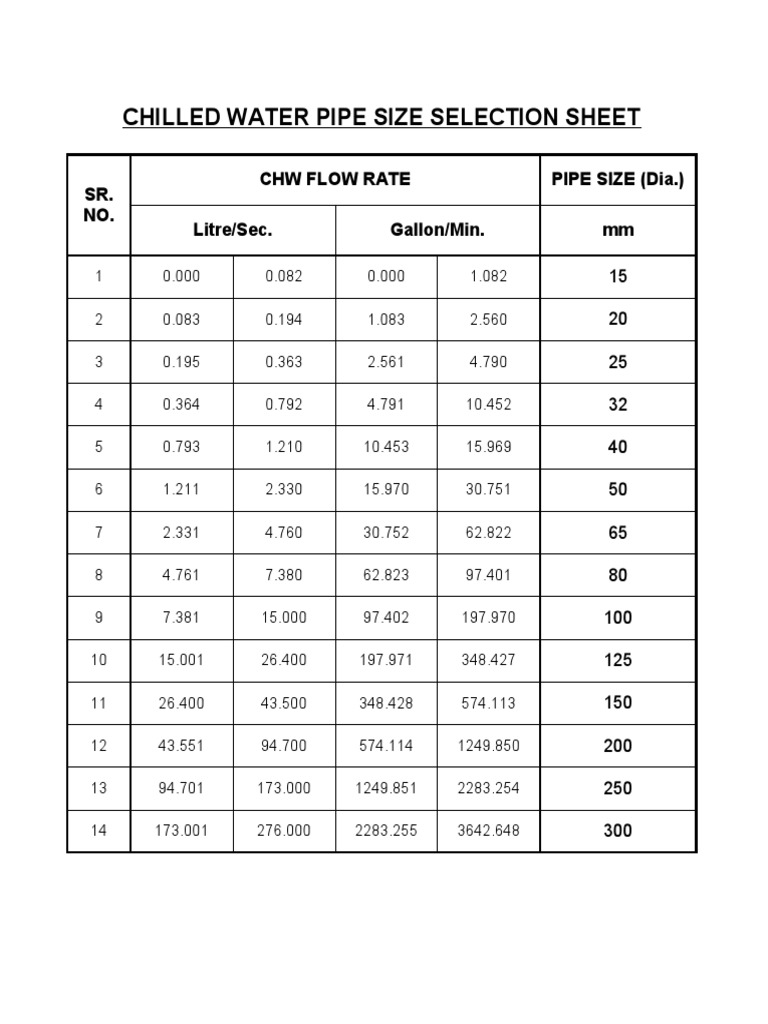
- Pipe Size Chart: Keep a handy reference chart for comparing your measurements against standardized sizes.
Measuring Methods
With tools in hand, the question now is: how do you measure? The methodology can slightly vary based on whether you’re dealing with round, square, or rectangular pipes. Here’s the breakdown:
- For Round Pipes:
- Wrap the measuring tape around the exterior of the pipe to determine the circumference.
- Use the formula: Diameter = Circumference ÷ π (approximately 3.14) to find the diameter.
- If using calipers, measure from the outside edges for the outer diameter, ensuring the caliper is perpendicular to the pipe surface for accuracy.
- For Square or Rectangular Pipes:
- Measure each side of the pipe to determine width and height.
- The size of a square or rectangular pipe is defined by its overall dimensions. Document each measurement meticulously.
Calculating Internal and External Diameters
Understanding the internal and external diameters is crucial for applications involving fluid dynamics. To ascertain the internal diameter, measure the external diameter and subtract twice the wall thickness:
Internal Diameter = External Diameter - (2 × Wall Thickness)
It’s essential to remember that different materials present varied wall thicknesses, which can influence your final computation. Verify material specifications or standards prior to performing calculations.
Standards and Codes
Engaging with pipe size measurement is incomplete without acknowledging the myriad of standards and codes that govern them. Organizations, including ASTM (American Society for Testing and Materials) and ANSI (American National Standards Institute), create regulations that help ensure compatibility in numerous applications. Familiarize yourself with these standards pertinent to your project scope to avoid pitfalls.
Conclusion
Whether you are an amateur DIY enthusiast or a seasoned professional, mastering the art of measuring pipe size is a skill that yields tangible benefits. By understanding the terminology, employing the right tools, and following standardized procedures, you not only conquer the challenge at hand but pave the way for superior project outcomes. As you venture forth into the world of pipes, may your measurements always be precise and your installations robust!










Leave a Comment