Crafting the perfect dessert is akin to painting a masterpiece; each layer and embellishment plays a pivotal role in the visual and gustatory appeal of the final creation. Among the essential elements of cake decoration, frosting stands as the shimmering veneer, adding flavor and texture while capturing the eye. However, achieving the ideal thickness can often be a conundrum for both novice bakers and seasoned pastry aficionados alike. This guide will illuminate various methods to thicken frosting, turning your decadent concoctions into scrumptious success stories.
Before diving into the quagmire of thickening agents, it is imperative to comprehend the underlying types of frosting you may be working with. From classic buttercream to velvety cream cheese options, the nuances of each variety can dictate the approach you should adopt. Now, let’s explore a plethora of techniques to help you achieve that coveted thickness, akin to the glorious peaks of a high mountain range.
1. Understanding the Foundation: The Role of Ingredients
Essentially, the thickness of frosting is a harmonious symphony orchestrated by the balance of its components. Start by evaluating your existing frosting; ingredients like sugar, fat, and liquid create a delicate equilibrium. A frosting that is too runny is oftentimes the result of an excess of liquid or insufficient sugar content. To fix this, recognize that sugar is your steadfast friend in the pursuit of thicker results.
2. The Sugar Solutions: Powdered Sugar and Granulated Sugar
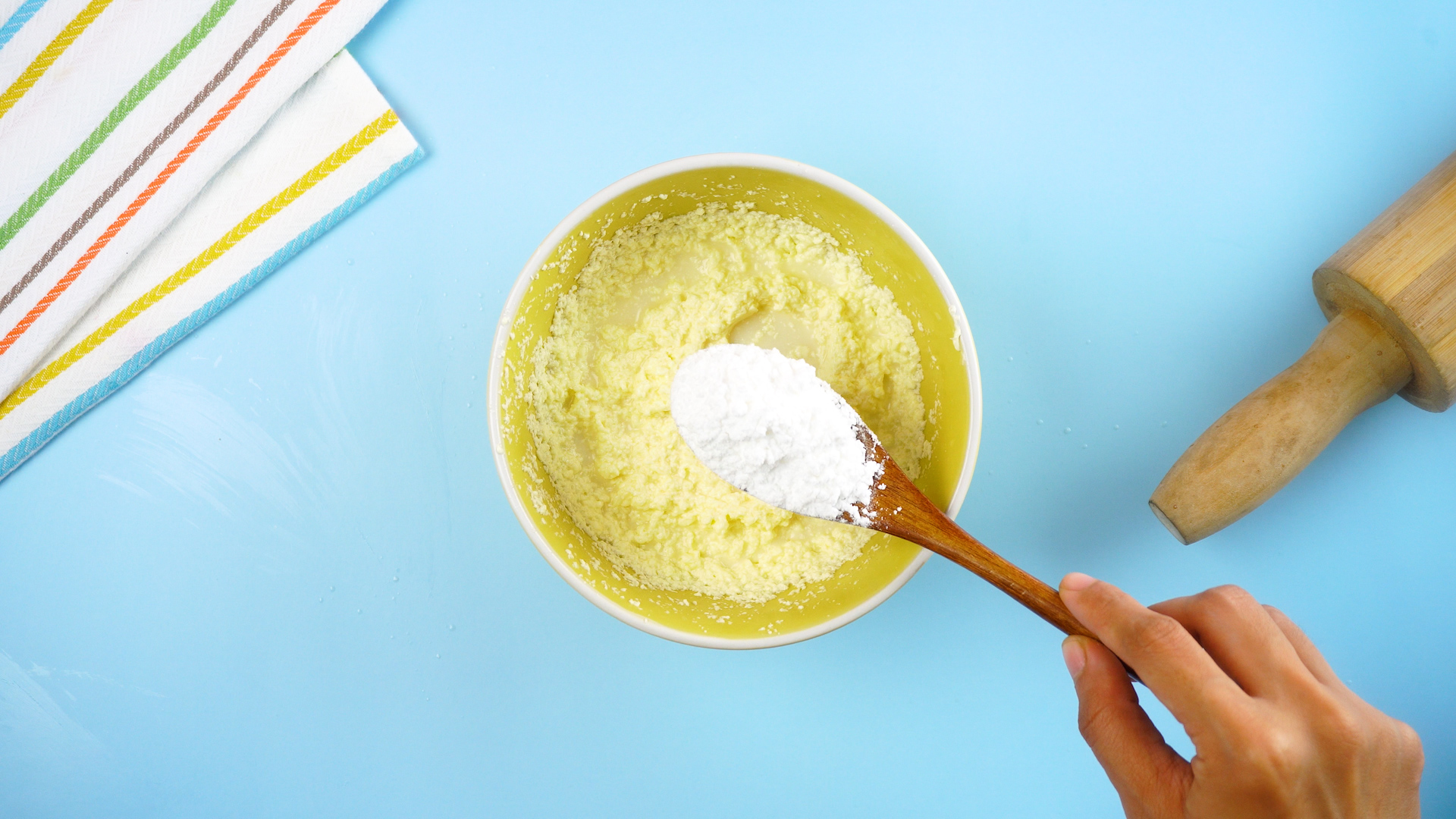
When thickening frosting, powdered sugar is the quintessential choice. This finely milled sweetener, also known as confectioners’ sugar, is an amalgamation of sugar and cornstarch. The cornstarch acts as a stabilizing agent, effectively absorbing liquid and providing a viscosity that elevates your frosting’s texture. Begin by sifting in additional powdered sugar, a cup or half, stirring gradually until you reach your desired consistency. The key here is patience; haste might lead you down a sugary road too thick or too sweet.
Granulated sugar, though less conventional in frosting, can contribute to texture. However, it requires more time to dissolve and meld into the mix. Use this as a supplementary ingredient cautiously and in conjunction with powdered sugar.
3. Cornstarch: The Unsung Hero
A staple in every kitchen pantry, cornstarch serves as an unassuming hero in the battle for thicker frosting. A tablespoon or two can work wonders. Simply mix cornstarch with a splash of water to create a slurry before incorporating it into your frosting. This method thickens without altering the flavor profile significantly, acting as a secret weapon much like a stealthy ninja in the culinary world.
4. Chilling: Nature’s Method
Sometimes, a simple act of patience can yield extraordinary results. By placing your frosting in the refrigerator for about 30 minutes, you allow the fats to solidify, increasing thickness. This natural approach mimics the serenity of winter, solidifying your frosting into a delightfully spreadable consistency. Just be cautious of over-chilling, as you may encounter obstacles when trying to spread it later.
5. Fat Matters: Butter and Cream
In many cases, increasing the fat content can add a luscious thickness to your frosting. If your frosting seems too airy or light, consider incorporating more butter into your confection. As butter chills, it solidifies, enhancing the frosting’s overall robustness. Opt for high-quality, unsalted butter to maintain flavor equilibrium. For cream-based frostings, such as whipped cream, substituting a portion of heavy cream with mascarpone or cream cheese can amplify thickness and add a unique flavor complexity.
6. Gelatin: The Culinary Sorcery
For those willing to tread into more avant-garde territory, gelatin offers a magical thickening solution. Bloom gelatin in water, allowing it to hydrate before stirring it into your frosting. This method not only provides the desired thickness but also adds a delightful stability—perfect for intricate designs or hot weather. Just remember that gelatin needs time to set, akin to a transformation that requires commitment.
7. The Role of Flavoring Agents: Extracts and Dairy
In addition to thickening, flavor is essential. However, keep in mind that adding dairy-based components like milk or cream can inadvertently thin out your frosting. Thus, use them sparingly. Instead, consider flavor extracts that impart taste without additional liquid content. When adding, a mere tablespoon can make a world of difference while preserving thickness.
8. Final Touches: A Balancing Act
Once you have achieved your desired consistency, take a moment to assess the flavor balance. Should your frosting be too sweet post-thickening, incorporating a pinch of salt can elevate the flavor profile, much like a conductor guiding an orchestra to blend harmoniously. Taste as you go, making incremental adjustments to ensure your frosting is nothing short of glorious.
In conclusion, thickening frosting is a culinary adventure filled with various techniques, each with its unique charm and application. Whether opting for the quintessential powdered sugar, inviting cornstarch as an ally, or employing the artistry of gelatin, the possibilities are endless. With patience and creativity, your frosting can achieve a thickness that not only enhances its aesthetic appeal but also invites those daring enough to indulge. So roll up your sleeves, gather your ingredients, and prepare to elevate your confectionary creations into the realm of gastronomic artistry.











Leave a Comment