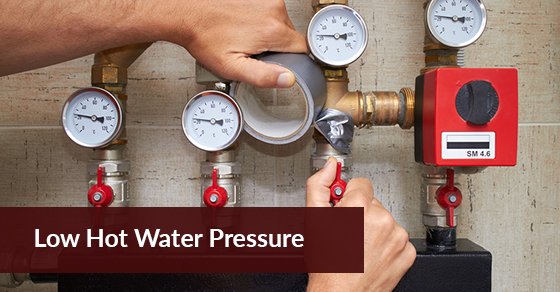
Low hot water pressure is an inconvenience that can disrupt daily routines and lead to tasks becoming arduous, from dishwashing to showering. As a homeowner, it’s paramount to understand the potential causes and solutions to this issue. In this comprehensive guide, we will explore the various reasons why your hot water pressure might be lacking, identifiable symptoms, and practical steps to rectify the situation. Whether you’re a novice or an experienced DIY enthusiast, the following sections will equip you with valuable insights to overcome low hot water pressure.
Understanding Hot Water Pressure
Hot water pressure refers to the force with which hot water flows through your plumbing fixtures. It is a crucial element in maintaining the functionality of your household. The pressure in your plumbing system is measured in pounds per square inch (PSI). Normal residential hot water pressure ranges between 40 to 60 PSI. When the pressure falls below this threshold, homeowners tend to experience discomfort and inefficiencies in their daily activities.
Identifying Symptoms of Low Hot Water Pressure
Several indicators suggest that you may be grappling with low hot water pressure. Recognizing these signs can help you determine the urgency of the situation:
- Weak Flow: The most apparent symptom is a noticeably weaker flow of hot water from your faucets or showerheads, compared to your cold water supply.
- Inconsistent Temperature: Low pressure may lead to temperature fluctuations, making it challenging to achieve that perfect warmth.
- Delayed Heating: When you notice that it takes longer for the hot water to reach your fixtures, it could signal pressure issues.
- Multiple Fixtures Affected: If several hot water outlets exhibit low pressure simultaneously, it indicates a systemic problem within your plumbing.
Potential Causes of Low Hot Water Pressure
Understanding the root causes of low hot water pressure empowers you to troubleshoot effectively. Here are some of the most common culprits:
- Pipe Corrosion: Over time, pipes can corrode, leading to blockages and reduced flow. This is particularly common in older homes with galvanized steel pipes.
- Debris Buildup: Sediment from hard water can accumulate in the water heater and pipes, causing clogs that impede the flow of hot water.
- Faulty Pressure Regulator: If your house has a pressure regulator to maintain optimal PSI, a malfunction can result in inadequate hot water pressure.
- Water Heater Problems: Issues such as a failing thermostat, a broken dip tube, or a sediment-filled tank can hinder hot water pressure directly from the source.
- Leaking Pipes: Leaks in your plumbing system can cause a significant drop in water pressure, affecting the entire hot water supply.
Diagnosing the Issue
Before implementing any repairs, it’s essential to diagnose the problem accurately. Here are some effective methods to determine the cause of your low hot water pressure:
- Check Multiple Fixtures: Start by testing different faucets and fixtures. If only one is affected, the problem may lie within that specific outlet.
- Inspect the Water Heater: Look for visible signs of sediment accumulation or leaks around your water heater. These signs are often precursors to pressure issues.
- Monitor Water Pressure: Use a pressure gauge to measure the PSI at your hot water tap. If the reading is below 40 PSI, further investigation is needed.
Solutions to Low Hot Water Pressure
Upon pinpointing the source of the low hot water pressure, you can take several approaches to rectify the issue. Here are effective solutions:
- Flush the Water Heater: Regularly flushing out sediment from your water heater can dramatically improve performance. This process involves draining the water heater completely and rinsing out any buildup.
- Replace Corroded Pipes: If corrosion is the issue, replacing old pipes with durable modern materials, such as PVC or PEX, can restore optimal flow.
- Adjust the Pressure Regulator: If the pressure regulator is malfunctioning, it might require repairs or replacement to ensure proper water pressure throughout the home.
- Seal Leaks: Inspect your plumbing system thoroughly for leaks. Employ professional services if necessary to ensure all leaks are adequately sealed.
- Consult a Professional Plumber: If you’ve attempted these solutions and the problem persists, hiring a licensed plumber can provide expert insight and repairs.
Preventative Maintenance
To avoid the recurrence of low hot water pressure, engage in routine maintenance practices. These may include:
- Regularly checking and cleaning faucet aerators and showerheads to remove sediment buildup.
- Scheduling annual inspections of your water heater to preemptively address potential issues.
- Monitoring your home’s plumbing system for leaks or unusual activity.
Conclusion
Experiencing low hot water pressure can be frustrating, but understanding its causes and symptoms equips you to tackle the problem efficiently. Through diligent diagnosis and appropriate remedies, you can restore your hot water’s flow, ensuring that your daily tasks remain both efficient and enjoyable. Maintaining your plumbing system with regular inspections and upkeep can significantly diminish the risk of encountering low hot water pressure again in the future.









Leave a Comment