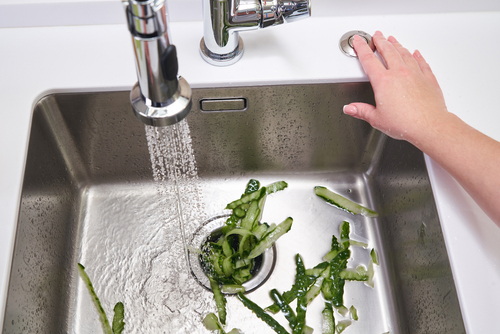
Experiencing a malfunction with your garbage disposal can be a surprisingly frustrating ordeal. These seemingly innocuous kitchen devices play a pivotal role in maintaining a clean and efficient kitchen environment. When your garbage disposal comes to a grinding halt, it can throw a wrench into your daily routine. This article aims to elucidate the possible reasons why your garbage disposal stopped working and provide comprehensive guidelines on troubleshooting and resolving the issue.
The Importance of Garbage Disposal in Modern Kitchens
Before delving into the specifics of troubleshooting a malfunctioning disposal, it’s essential to recognize the significance of this appliance. The garbage disposal serves not only as a kitchen convenience but also as a catalyst for maintaining hygiene. By processing food waste, it helps alleviate unpleasant odors and reduces clutter. Understanding its role in your kitchen can foster a greater appreciation for the appliance, prompting proactive care and maintenance.
Common Symptoms of Malfunction
The first indication of trouble might be more apparent than you realize. Here are some common manifestations of a non-functional garbage disposal:
- Unresponsive Operation: One of the most straightforward signs is when the disposal does not power on when the switch is pressed.
- Unusual Noises: Clunks, hums, or grinding noises can indicate that something is amiss within the unit.
- Odors: Foul odors emanating from the disposal can hint at spoiled food or a mechanical problem.
- Leakage: Water pooling beneath the sink is an alarming sign that necessitates immediate attention.
Initial Troubleshooting Steps
When confronted with a malfunctioning disposal, the first step is to assess the situation with a calm demeanor. Here are initial troubleshooting steps to follow:
- Check the Power: Ensure the unit is plugged in and that the outlet is functioning. It’s prudent to check the circuit breaker as well. A tripped breaker could be the culprit behind the unit’s sudden silence.
- Inspect the Reset Button: Most disposals come equipped with a reset button, typically found on the bottom of the unit. Press it if the appliance has stopped functioning. This simple step can often rejuvenate a reluctant disposal.
- Look for Jammed Components: Overloaded disposals may grind to a halt due to jammed parts. Carefully use a flashlight and inspect the drain with tongs or pliers, ensuring that no forbidden items like utensils or bones are causing the obstruction.
Addressing Noises and Odors
Sometimes, while the disposal operates, it may produce strange noises or emit unpleasant odors. Tackling these issues can improve the performance and longevity of the appliance.
- Remove Foreign Objects: If you hear clattering sounds, shut off the power and look for items lodged in the disposal. Removing these can enhance functionality. Make sure to avoid putting your hand inside without ensuring the unit is off.
- Deodorize the Disposal: An amalgamation of baking soda and vinegar can work wonders to eliminate odors. Pour half a cup of baking soda followed by a cup of vinegar into the disposal. Allow it to fizz and then flush with hot water.
Resolving Electrical Issues
Should the disposal still remain obstinately silent despite your best efforts, a closer inspection of electrical components may be warranted. This requires a more technical understanding:
- Check Wiring Connections: Loose connections can cause intermittent power issues. Carefully check the electrical connections at the switch and the disposal unit. Always disconnect the power before inspecting to ensure safety.
- Replace the Switch: If the switch seems faulty, replacing it may be the pragmatic solution. A defective switch can inhibit the disposal’s function entirely.
When All Else Fails
Some situations, regrettably, may necessitate the aid of a professional. If you’ve diligently followed troubleshooting protocols and still encounter issues, it may be time to consult with a plumber or appliance repair technician. They possess the expertise and tools to diagnose deeper electrical or mechanical failures that might elude the average homeowner.
Preventive Measures for Future Care
Moving forward, consider implementing several preventive measures to preserve the efficacy of your garbage disposal:
- Regular Cleaning: Incorporate regular cleanings using ice cubes and salt. This can help dislodge buildup and maintain optimal performance.
- Mind What Goes In: Be discerning about what you dispose of. Avoid fibrous vegetables, large bone fragments, and non-food items to minimize risks of jamming and wearing down the disposal’s components.
- Run Cold Water: Always run cold water when operating the disposal. This helps solidify any grease or fat, enabling it to be processed more effectively.
In conclusion, encountering a non-functional garbage disposal can be an unwelcome disruption in your household. By understanding the underlying mechanics and knowing the appropriate troubleshooting steps, you can potentially rectify the situation without the need for professional intervention. With diligent care and awareness, you can ensure your garbage disposal remains a dependable ally in your kitchen for years to come.









Leave a Comment