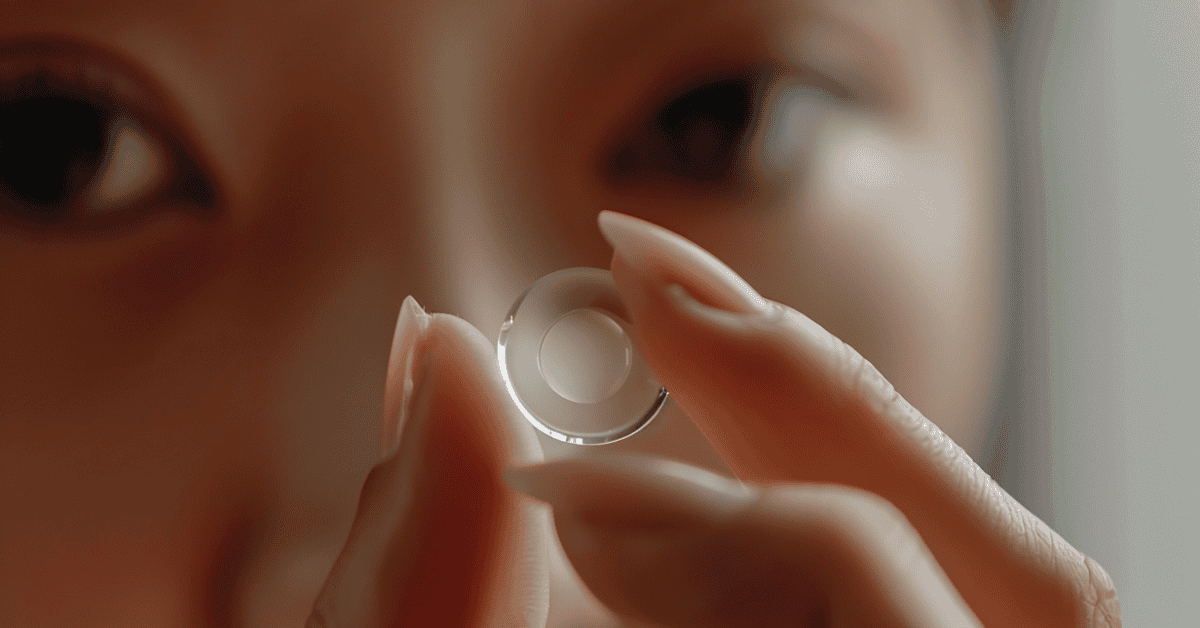
Ortho K lenses, also known as orthokeratology lenses, offer an innovative solution for those seeking to improve their vision without the need for glasses or daily contact lenses. As this technology has gained in popularity, many potential users find themselves wondering about the costs associated with these lenses. This comprehensive guide aims to demystify the pricing structure of Ortho K lenses and provide insight into what various factors influence their affordability.
1. Initial Consultation Fees
The journey to Ortho K lenses begins with an initial consultation. This appointment is crucial as it involves a thorough eye examination performed by an eye care professional. The costs for this consultation typically range from $100 to $300, depending on the practice and location. During the exam, the practitioner assesses the corneal shape, refractive error, and overall eye health, laying the groundwork for a personalized Ortho K lens fitting.
2. Fitting Fees
Once the initial consultation is complete, the next step involves the fitting of Ortho K lenses. This process ensures that the lenses are appropriately shaped for your eyes, which is essential for effective vision correction. Fitting fees can vary significantly, usually falling between $200 to $500. Factors influencing this cost might include the complexity of your prescription and the expertise of the professional performing the fitting.
3. Cost of the Lenses
Ortho K lenses themselves represent a substantial portion of the overall cost. A pair of custom-made Ortho K lenses can range from $400 to $1,200. Prices may vary based on several considerations:
- Customization: Custom-fitted lenses, tailored specifically for the unique curvature of your cornea, tend to be on the higher end of the spectrum.
- Material: Some lenses are made from more advanced materials than others, influencing both their price and comfort.
- Differentiation in Brands: Various manufacturers offer distinct pricing based on technology and materials used in lens production.
4. Replacement Lenses
Over time, even the most durable Ortho K lenses may require replacement due to wear and tear. Typically, lens replacements are necessary every one to two years. The cost for replacement lenses can range from $200 to $700, again largely depending on the factors outlined previously. Regular maintenance and monitoring are critical to ensure continued optimal vision and eye health.
5. Maintenance and Follow-Up Visits
After obtaining Ortho K lenses, ongoing care is essential to maintain both the lenses’ efficacy and your eye health. Regular follow-up visits—conducted approximately every six months—are recommended. These consultations often cost between $75 and $150 per visit. This regular monitoring allows eye care practitioners to assess your vision progress and make any necessary adjustments to your lenses or ongoing treatment plan.
6. Long-Term Costs versus Traditional Options
While the upfront cost of Ortho K lenses may seem intimidating, it is essential to weigh these expenses against the long-term financial implications of traditional eyeglasses or daily contact lenses. A prevailing advantage of Ortho K is that, after the initial investment, users often find they no longer need to purchase glasses or daily contact lenses, which can add up over time. A thorough analysis of annual costs may demonstrate that Ortho K lenses are a financially sound investment for many individuals.
7. Insurance Coverage
Another component to consider is insurance. Many vision insurance plans do not cover Ortho K lenses, as they classify them as cosmetic rather than medically necessary. However, some plans may offer partial coverage for consultations or follow-up visits. Individuals are encouraged to check their specific coverage details and speak with their insurance providers regarding potential reimbursements,thus alleviating some of the financial burden.
8. Financing Options
For those deterred by upfront costs, financing options are available. Many eye care practices offer payment plans or financing through third-party services, allowing patients to spread the cost over time. This approach can significantly decrease the financial strain by making monthly payments more manageable. Additionally, utilizing Health Savings Accounts (HSAs) or Flexible Spending Accounts (FSAs) to cover some of these medical expenses can provide a degree of financial relief.
9. Geographic Variability
The costs associated with Ortho K lenses can vary substantially from one geographic location to another. Urban areas with extensive competition among eye care specialists may offer promotions or lower prices, while rural practices might charge more due to lesser access to these lenses and treatments. Individuals considering Ortho K should be aware of their location’s market dynamics and research different providers to find a suitable price point.
Conclusion
In essence, the cost of Ortho K lenses consists of various components that together form a holistic understanding of the investment required for this effective vision correction method. While the initial financial outlay may appear significant, the long-term benefits, including reduced dependency on glasses and regular contact lenses, warrant careful consideration. Potential users are encouraged to engage thoroughly with eye care professionals, examine financing options, and consider the financial implications over time. By doing so, they can make a well-informed decision that aligns with their lifestyle and vision needs.






Leave a Comment