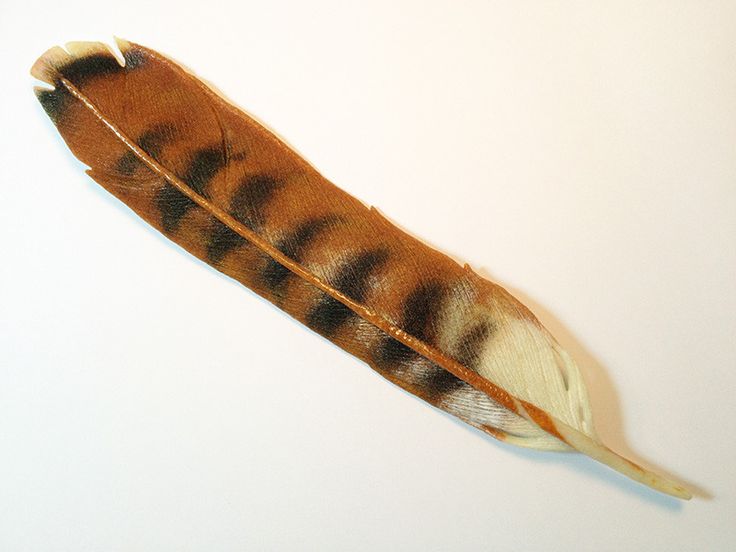
Red-tailed hawks, with their majestic wingspans and piercing cries, embody the essence of wild beauty. Their feathers, particularly those of the red tail, have captivated the human imagination for centuries. These remarkable feathers serve not only as a visual delight but also as symbols that evoke deeper interpretations. Let us embark on a journey through the intricacies of red-tailed hawk feathers—understanding their biology, cultural significance, and the profound connections they inspire.
1. The Physical Characteristics of Red-tailed Hawk Feathers
Red-tailed hawk feathers, named for the russet hue of their tail feathers, are distinguished by their robust structure and striking patterns. The plumage is a versatile tapestry that includes various shades of brown, cream, and reddish-brown, facilitating camouflage in diverse surroundings. These feathers, particularly on the wings and tail, exhibit a remarkable array of textures that contribute to the bird’s versatility in flight.
The primary feathers, elongated and stiff, allow the hawk to soar gracefully through the air, while the softer secondary feathers provide insulation and aid in maneuverability. The unique arrangement of these feathers serves a dual purpose: enhancing aerodynamics during flight and safeguarding the hawk against the elements.
2. The Functionality of Feathers: More than Just Decoration
Feathers are critical for more than mere aesthetic enjoyment; they are essential for survival. The insulating properties of the feathery coat help maintain body temperature, enabling red-tailed hawks to thrive in various climates. Moreover, their coloration—and particularly the distinctive red tail—plays a pivotal role in communication among hawks, particularly during mating rituals or territorial displays.
Additionally, the ability to shed and renew feathers through molting cycles indicates the hawk’s adaptability and resilience. This natural process allows for the replacement of worn feathers, ensuring continued efficiency in flight and hunting. The intricate evolution of feather composition illustrates nature’s unerring capacity for optimization.
3. Cultural Symbolism and Spiritual Significance
The red-tailed hawk is more than a mere raptor; it is a significant figure in various cultural mythologies and spiritual beliefs. Many Native American tribes revere the red-tailed hawk as a messenger between the earthly and the spiritual realms. The hawk’s keen vision and unparalleled hunting skills symbolize foresight, ambition, and clarity of purpose.
In some traditions, the hawk feather serves as a potent talisman of protection. People may wear or display these feathers to invoke the spirit of the hawk, seeking guidance in times of uncertainty. Consequently, possessing a red-tailed hawk feather connects one to the essence of the natural world, prompting introspection about one’s own path in life.
4. The Art and Craft of Feather Utilization
Red-tailed hawk feathers have found their way into various artistic and practical uses throughout history. In traditional Native American dress, feathers are integral to ceremonial regalia—each feather meticulously chosen for its unique characteristics. The beauty of these feathers is further enhanced when fashioned into dance outfits and headdresses, symbolizing both pride and heritage.
Moreover, artisans and crafters have embraced red-tailed hawk feathers in various creative expressions, from jewelry to dreamcatchers. The allure of these feathers inspires a range of artistic interpretations, each contributing to the rich tapestry of cultural narratives associated with this magnificent bird.
5. Conservation and Ethical Considerations
As enchanting as red-tailed hawk feathers may be, they represent a need for responsible stewardship over wildlife. Many regions have laws protecting raptors and their feathers, acknowledging the profound significance these birds hold in ecosystems and cultures alike. Collecting feathers without proper permits or from deceased birds can have detrimental effects on populations and infringe upon cultural traditions.
Conservation efforts aimed at preserving habitats and ensuring the longevity of red-tailed hawk populations are paramount. Organizations dedicated to bird conservation advocate for educational programs to raise awareness about the ecological roles these magnificent predators play. Encouraging respectful appreciation rather than exploitation is key to fostering a sustainable relationship with nature.
6. Personal Connections and Reflections
The fascination with red-tailed hawk feathers often transcends mere aesthetic admiration. Individuals who encounter these feathers may feel a profound connection to the wild, awakening a sense of wonder and respect for nature. Whether spotting a hawk soaring overhead or discovering a feather on a forest floor, these moments can evoke contemplation about the symbiosis between humanity and the natural world.
Reflecting on the presence of the red-tailed hawk can lead to deeper insights about one’s life journey. The hawk’s attributes—vision, keen awareness, and courage—serve as metaphors for aspirations and personal growth. Many individuals find inspiration in the qualities represented by these birds, encouraging them to pursue their goals with unwavering determination.
In conclusion, the red-tailed hawk feather embodies much more than mere ornamentation; it encapsulates a rich tapestry of significance that resonates across cultures and ecosystems alike. By appreciating its biological intricacies, cultural meanings, and the ethical considerations surrounding its existence, one can cultivate a deeper connection to the enchanting world of raptors. Embracing the majesty of the red-tailed hawk fosters a greater appreciation for the wonders of nature and an enduring commitment to its preservation.









Leave a Comment