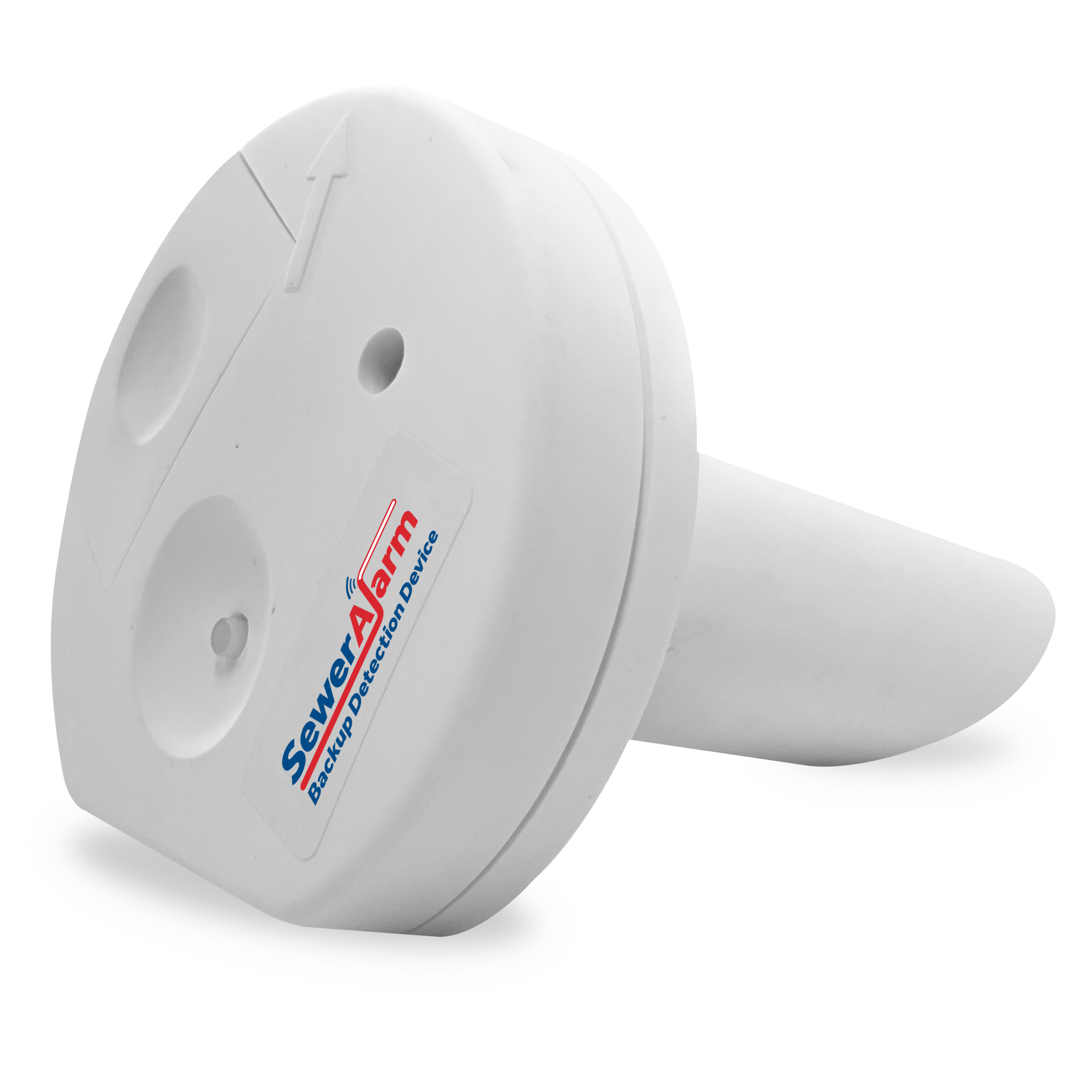
In the complex tapestry of home maintenance, the notion of a sewer backup invokes a wave of anxiety. Imagine a stranger infiltrating your living space, leaving chaos in its wake—this is precisely the threat posed by wastewater inundation. It manifests not merely as an annoyance but as a harbinger of potential property damage and health hazards. However, embracing the advancement of technology provides a remedy in the form of sewer backup alarm systems. This exploration invites you to rethink your approach to plumbing safety while piquing your curiosity about a solution that merges prevention with peace of mind.
### Understanding Sewer Backup: The Hidden Peril
Sewer backups occur when the flow of wastewater is obstructed, leading to unsanitary overflow. The culprits can range from tree roots infiltrating pipes to clogs caused by grease or foreign objects. Such occurrences may not only result in inconvenient disruptions but can also culminate in extensive damage to your home’s infrastructure. An awareness of this issue is imperative, underscoring the need for vigilance and proactive measures.
### The Evolution of Sewer Backup Alarm Systems
In response to the lurking menace of sewer disruptions, alarm systems have evolved into sophisticated devices designed to detect impending perils. Incorporating advanced sensors, these systems monitor wastewater levels and notify homeowners before disasters escalate. The evolution of technology has propelled these alarms from rudimentary models to highly nuanced systems, equipped to integrate with smart home networks and provide real-time alerts via mobile devices.
### Components of a Sewer Backup Alarm System
Understanding the operational intricacies can enhance appreciation for these devices. Typically, a sewer backup alarm system includes:
- Float Switches: This pivotal component detects the water level within the sewer chamber. Once a predetermined level is reached, the float switch activates the alarm.
- Alarm Unit: Engaging the homeowner’s attention, the alarm emits a loud sound, signaling that wastewater may soon overwhelm the system.
- Backup Battery: Power outages pose a risk to functionality. A reliable battery ensures that your alarm remains operational, even during unforeseen electrical failures.
- Control Panel: Often the nexus of command, the control panel allows for adjustments in sensitivity and settings, tailoring response mechanisms to specific home requirements.
### Augmenting Home Security with Smart Technology
With the advent of the Internet of Things (IoT), many modern sewer backup alarm systems boast enhanced capabilities. These smart devices can connect to your home’s Wi-Fi network, allowing for seamless communication with your smartphone or tablet. Picture receiving a notification while at work—an alert that your sewer system is on the brink of failure. This integration of technology elevates your ability to respond swiftly, mitigating damage before it occurs.
### Installation: Navigating the Setup
The installation process can appear daunting. However, enlisting the expertise of a licensed plumber guarantees optimal performance. During installation, considerations such as placement of the float switch, accessibility of the alarm unit, and integration with your existing plumbing system come into play. Striking the right balance between visibility and functionality can be crucial for ensuring your alarm system is effective.
### Maintenance: The Key to Longevity
Once equipped with a sewer backup alarm system, it is imperative to conduct routine maintenance to ensure its efficacy. Regular inspections—both professional and self-conducted—can identify potential issues before they compound into more significant problems. Checking batteries, assessing the condition of float switches, and clearing debris from sensors are vital tasks that should not be overlooked.
### The Importance of Awareness and Education
Merely installing an alarm system does not guarantee peace of mind; knowledge about what constitutes a problem is equally critical. Homeowners should familiarize themselves with the typical warning signs of sewer backups, which may include gurgling sounds from drainage fixtures or unusually slow draining toilets. Recognizing these indicators allows for proactive interventions, enhancing your overall home safety strategy.
### Cost Considerations: A Wise Investment
While the initial investment in a sewer backup alarm system may seem substantial, juxtaposing this cost against potential damage from a backup illuminates the economic prudence of the decision. Water damage restoration, mold remediation, and structural repairs can far exceed the cost of prevention. A little foresight in budgeting can save you exorbitant expenses in the long run, serving as a testament to the adage ‘an ounce of prevention is worth a pound of cure.’
### Conclusion: Transforming Perspectives
Viewing sewer backup alarm systems solely as a protective measure can limit one’s understanding of their true value. These devices offer more than just an auditory alert; they embody a proactive stance towards home safety and environmental responsibility. By investing in advanced sewage detection technology, you are not just safeguarding your home, but also embracing a philosophy of preparedness that fosters a secure living environment. So the next time you consider your home defenses, envision a world where you’re not merely reacting to fear, but innovating to prevent it altogether. Thus, the sewer backup alarm system stands not just as an accessory, but as a guardian of your peace, beckoning you to shift your perspective and take action before it’s too late.










Leave a Comment