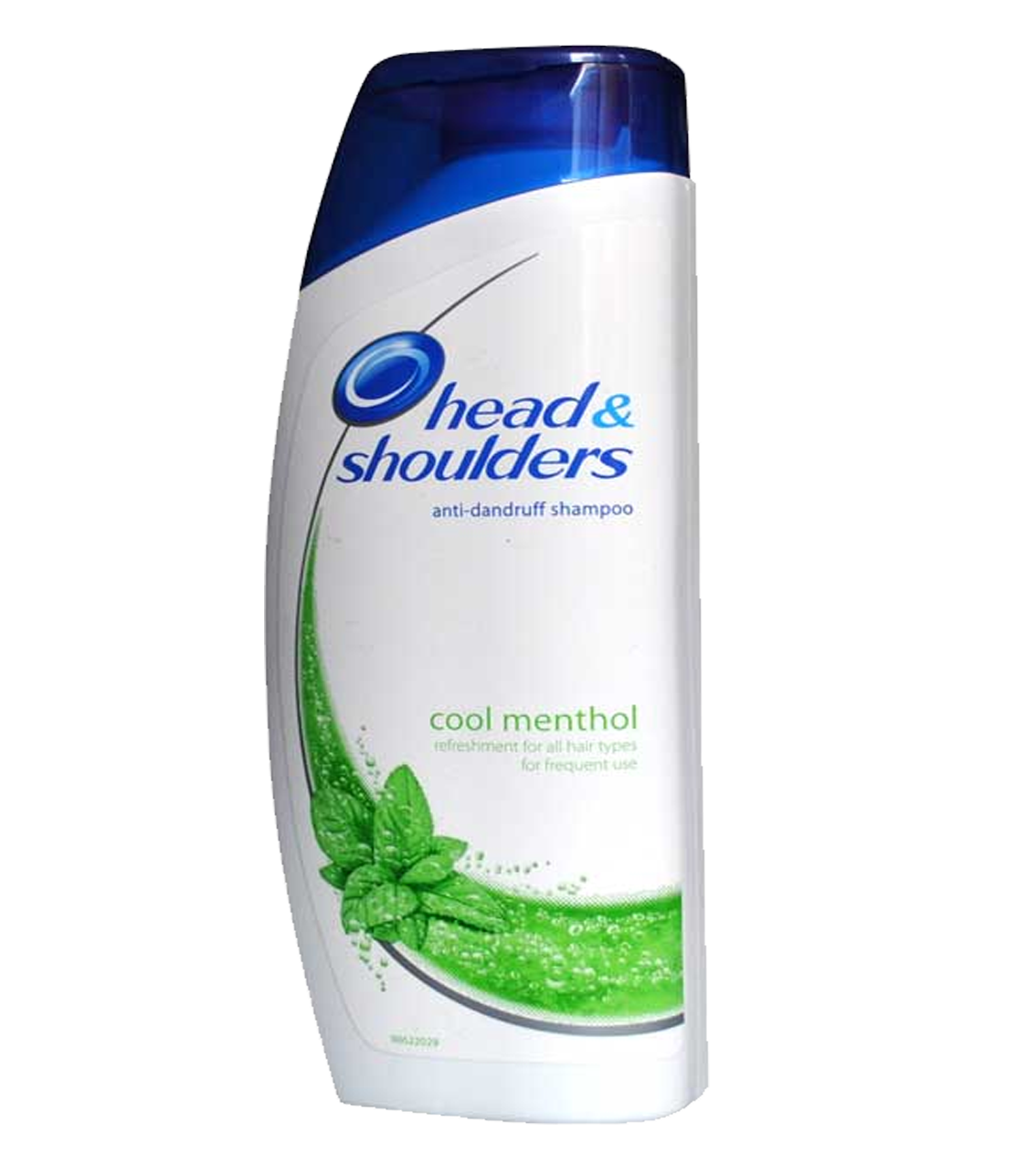
When it comes to our furry companions, there’s no question that we want the very best for them. Yet, for owners of hypoallergenic dogs, the quest for an ideal shampoo can often feel overwhelming. These special canines, often marked by their sensitive skin and propensity to develop allergies, require more than your average pet grooming product. As you navigate the labyrinth of options available, it’s essential to demystify the intricacies of hypoallergenic dog shampoos. This guide will illuminate the key considerations involved in selecting the right shampoo that not only caters to your dog’s unique needs but also promises a shift in perspective regarding their hygiene and care.
1. Understanding Hypoallergenic Dogs
To embark on this journey, it’s crucial to grasp what hypoallergenic really means in the canine context. Hypoallergenic dogs, such as Poodles, Bichon Frises, and Maltese, are typically characterized by their minimal shedding and reduced dander production. This absence of excessive allergens often makes them suitable for allergy sufferers. However, even these breeds aren’t immune to skin irritations and require special attention when it comes to grooming.
2. The Importance of Choosing the Right Shampoo
Why does shampoo matter? Shampoos are not merely cosmetic— they influence your dog’s skin and coat health. The right formulation can alleviate skin irritation, prevent dermatitis, and maintain moisture balance. On the contrary, a poorly chosen shampoo can exacerbate existing skin conditions, leading to itchiness, redness, and discomfort. Thus, understanding the elements that compose a hypoallergenic shampoo is not just beneficial; it’s essential.
3. Key Ingredients to Look For
As you sift through the myriad of products available, pay close attention to the ingredient list. Ideal hypoallergenic shampoos should be free from common irritants. Here are essential components to consider:
- Natural Ingredients: Look for botanical extracts like aloe vera, chamomile, or oatmeal. These soothing agents can mitigate inflammation and provide relief.
- Fragrance-Free Formulations: Artificial fragrances can be a potent trigger for allergies. Opt for products labeled as fragrance-free to keep your canine comfortable.
- Paraben-Free and Sulfate-Free: Harsh chemicals found in many cleansing products may strip away natural oils, exacerbating dryness. Choose shampoos devoid of parabens and sulfates for a gentle cleanse.
- Hypoallergenic Surfactants: Gentle surfactants derived from natural sources can effectively remove dirt and debris without irritating sensitive skin.
4. Understanding pH Balance
Canine skin has a different pH than human skin, typically ranging from 6.5 to 7.5. A shampoo with a balanced pH is crucial as it helps maintain your dog’s skin barrier, protecting it from microbial invasions. When selecting a hypoallergenic shampoo, ensure it’s specifically formulated with this pH level in consideration.
5. Testing Before Full Application
Even the most hypoallergenic products can cause unexpected reactions. Implementing a patch test before full application is advisable: apply a small amount of the shampoo to a limited area, wait 24 hours, and observe any reactions. This cautious approach will ensure that your pet is not adversely affected by the new product.
6. Application Techniques
Once you’ve selected an appropriate shampoo, mastering the application technique can enhance its efficacy. Begin with damp fur, taking care to avoid water in the ears and eyes. Massage the shampoo gently into the coat, allowing it to work its magic for several minutes before rinsing thoroughly. This time allows the active ingredients to penetrate the skin and provide the desired relief.
7. Incorporating Additional Grooming Practices
Shampoo is just one piece of the puzzle. Complement your washing routine with regular brushing to minimize shedding and dander. Additionally, consider utilizing hypoallergenic conditioners post-shampoo. Conditioners can further moisturize the coat and soothe the skin, bringing an extra layer of softness and shine.
8. Professional Support
While home grooming can be gratifying, consulting a professional groomer familiar with hypoallergenic breeds can provide invaluable insights. They can recommend suitable products and techniques tailored to your dog’s specific needs, ensuring that their grooming regimen is both effective and soothing.
9. Monitoring Your Dog’s Skin Health
After integrating a new shampoo into your dog care routine, maintain vigilance over any skin changes or reactions. Keeping a diary of your dog’s skin condition, along with any environmental changes, will help you identify potential triggers, whether they be in diet, grooming products, or even seasonal allergens.
10. Conclusion
The journey to find the perfect shampoo for your hypoallergenic dog may appear daunting, yet it is an investment worth making for your pet’s overall well-being. By focusing on gentle, natural, and hypoallergenic formulations, you are not merely cleaning your dog’s coat; you are also fostering their health and comfort. With your newfound knowledge, you wield the tools necessary to make informed choices that enhance your dog’s quality of life.









Leave a Comment