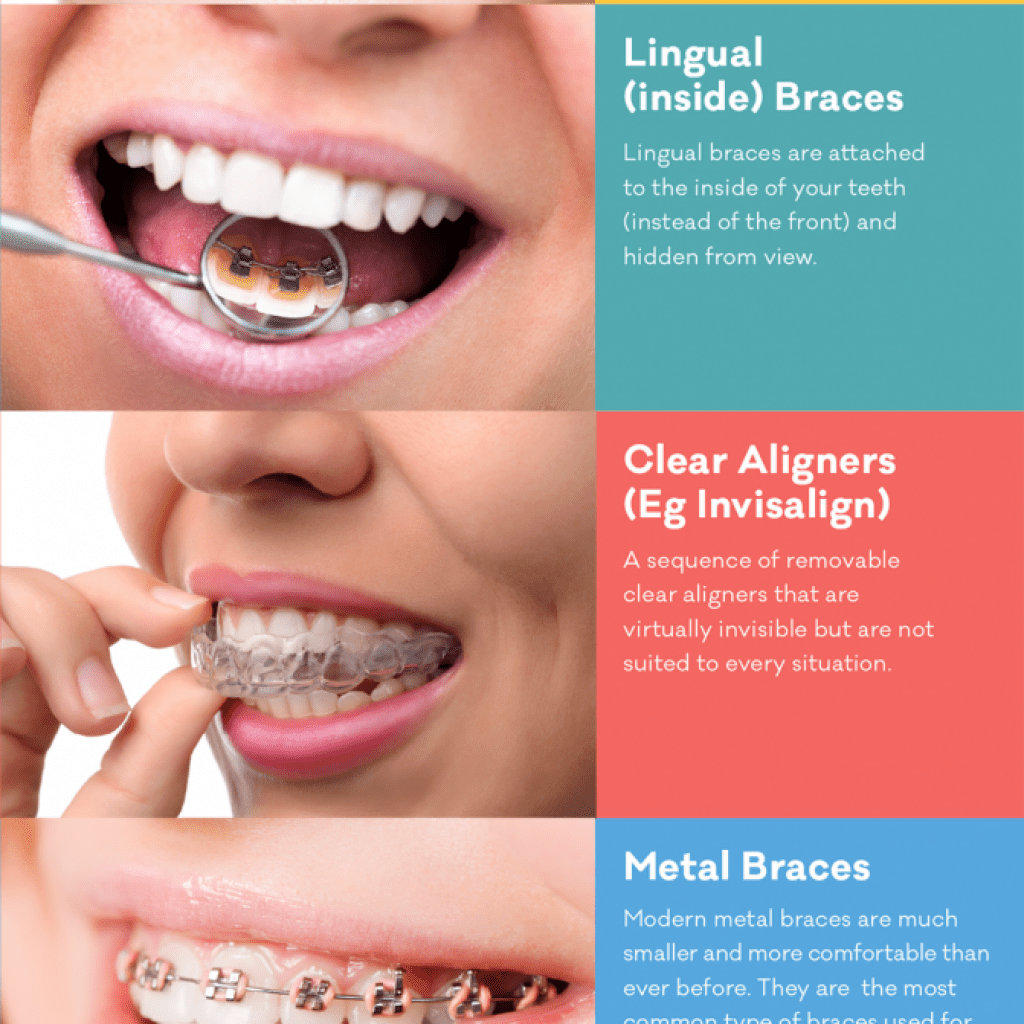
In the realm of orthodontics, the pursuit of a flawless smile often conjures images of metallic brackets and wires. However, contemporary advancements in dental technology have paved the way for alternative methods to attain that desired straightened smile without the traditional discomforts associated with braces. This article delves into the various avenues available for those keen on achieving aligned teeth, offering a comprehensive guide to your options.
1. Clear Aligners
Among the most well-known alternatives to braces, clear aligners are a revolutionary option. Custom-fabricated from transparent plastic, these nearly invisible trays gradually shift teeth into proper alignment. Brands like Invisalign have popularized this method, allowing users to wear aligners for approximately 20 to 22 hours each day, only removing them for eating, drinking, and oral hygiene. One of the primary advantages lies in their aesthetic appeal and comfort—no wires or brackets mean less irritation. However, commitment to wear them consistently is imperative for optimal results.
2. Retainers
Retainers, often seen as a post-orthodontic apparatus, can serve a productive role in the journey towards aligned teeth. Specifically, some individuals may benefit from using a bonded retainer or a removable retainer designed for minor adjustments. These devices help maintain teeth positions after braces or can subtly shift teeth if used over time. The effectiveness of retainers for straightening teeth is limited compared to active treatment modalities, yet they provide a less invasive alternative, particularly suitable for adults wary of undergoing extensive orthodontic work.
3. Veneers
Dental veneers are thin shells of porcelain or composite resin designed to cover the front surface of teeth, providing both aesthetic enhancement and minor alignment adjustments. While veneers do not physically reposition teeth, they can create the illusion of straightness by masking imperfections and unevenness. This method caters primarily to cosmetic concerns, allowing individuals to achieve a stunning smile without altering their dental structure significantly. Moreover, the durability of veneers, lasting upwards of a decade with proper care, adds to their appeal.
4. Dental Bonding
A less permanent yet effective option for minor corrections is dental bonding. This process involves the application of a tooth-colored resin to specific areas of teeth to reshape, lengthen, or close gaps. While it serves predominantly cosmetic purposes, bonding can also correct minor alignment issues. The application is swift, often completed in a single visit, bringing immediate results. However, the lifespan of dental bonding is generally shorter compared to veneers and may require touch-ups over time.
5. Orthodontic Appliances
Other orthodontic appliances, like palatal expanders or space maintainers, offer innovative solutions for alignment without full braces. Palatal expanders work to widen the upper jaw, thereby assisting in aligning teeth effectively when space is an issue. Space maintainers ensure that gaps from lost teeth do not close up prematurely and misalign neighboring teeth. While these methods might not yield the immediate results of braces, they serve specific dental needs and can pave the way for subsequent treatments.
6. Myofunctional Therapy
This lesser-known approach utilizes exercises designed to optimize oral and facial muscle function, aiming to facilitate proper dental alignment. Myofunctional therapy is especially beneficial for children, as it addresses underlying issues such as tongue posture and breathing patterns that can affect teeth positioning. Often used in conjunction with other orthodontic methods, this therapy highlights the importance of functional health in conjunction with aesthetic goals.
7. Lifestyle Modifications
While not a direct method for shifting teeth, certain lifestyle modifications can support oral health and maintain alignment. Adopting a diet low in sugar and high in calcium and vitamin D fosters strong teeth, while good oral hygiene practices can prevent misalignment caused by decay or gum disease. Additionally, avoiding habits such as thumb-sucking or excessive nail-biting can significantly contribute to maintaining a correctly aligned smile.
8. Consultative Guidance
Before embarking on any teeth-straightening journey, consulting with a qualified dental professional is paramount. They can assess individual dental profiles and recommend tailored approaches that align with personal needs and goals. Knowing the range of options allows for informed decisions, ensuring patients choose the path best suited to their lifestyle and aesthetic aspirations.
In conclusion, achieving a straightened smile sans braces is not merely a fantasy but a tangible goal within grasp through a variety of innovative alternatives. From clear aligners to dental veneers, the choice depends on individual preferences and specific dental requirements. Each method presents distinct advantages and considerations, highlighting the importance of personalized care in orthodontics. By exploring these various approaches, individuals can embark on a transformative journey towards a radiant, confident smile, ultimately affirming that orthodontic excellence transcends traditional methods.







Leave a Comment