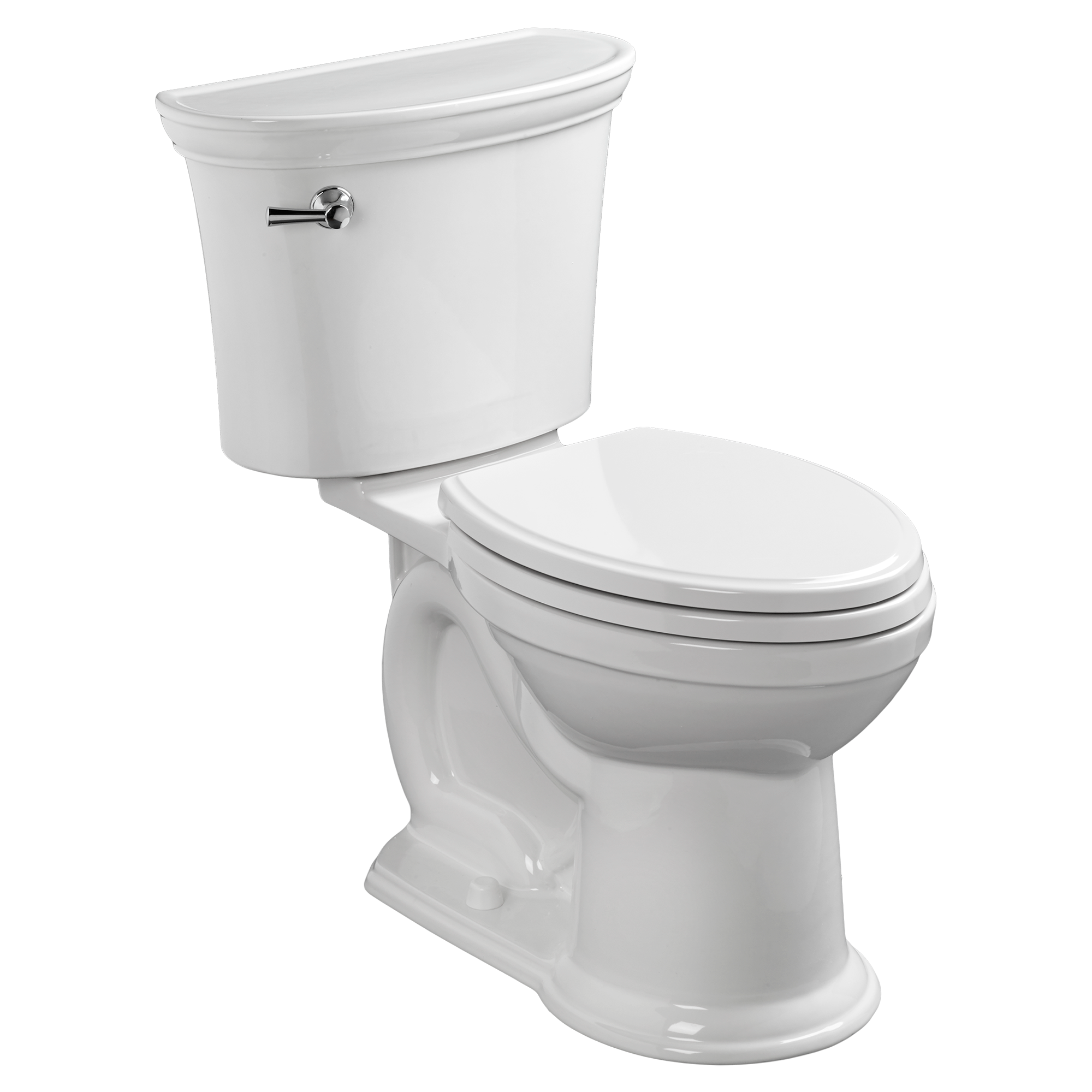
There are few household dilemmas as perplexing as a toilet that refuses to flush while exhibiting no signs of being clogged. This enigma can turn an everyday routine into a vexing conundrum. Understanding the potential reasons behind this malfunction can not only help ameliorate frustration but also illuminate the intricacies of a system that many take for granted. Let us embark on a detailed exploration of the mechanics involved and the overarching implications of this compelling domestic issue.
Firstly, it’s essential to grasp the anatomy of the toilet system. A toilet incorporates a variety of components—such as the tank, flapper, and bowl—that work symbiotically to transport waste efficiently. When you press the lever, you engage a series of actions that ultimately lead to a flush. However, when this process falters, one must scrutinize several elements that might be at play.
1. Insufficient Water Level in the Tank
One of the most straightforward explanations for a toilet that won’t flush is an inadequate water level in the tank. The tank is designed to store a specific volume of water, which is essential for generating the flushing force. If the water level dips below the designated mark due to leaks or improper filling, the toilet will lack the necessary propulsion to clear the bowl. To rectify this, inspect the float mechanism and the fill valve. There may be an adjustment needed or perhaps a blockage impeding the flow of water into the tank.
2. Malfunctioning Flapper Valve
The flapper valve, a small rubber component located at the tank’s bottom, serves as the gatekeeper, controlling the release of water into the bowl. If this valve is warped, dirty, or misaligned, it may not create a proper seal, leading to insufficient water flow when you flush. Assess the flapper for signs of wear and tear, as these insidious flaws often go unnoticed until they manifest as functional problems. Replacing a faulty flapper is generally a straightforward fix that can restore flushing capability.
3. Problematic Fill Valve
The fill valve, often encountered in the form of a ballcock or cistern valve, is responsible for allowing water to refill the tank after a flush. If the fill valve is malfunctioning, it may prevent water from entering the tank altogether or restrict the flow. A simple fix might involve cleaning or replacing the fill valve. In some cases, sediment build-up may impede the valve’s functionality, necessitating a more thorough cleaning approach.
4. Blocked Rim Jets or Toilet Trap
Although the bowl may appear free of debris, the rim jets—tiny holes that allow water to cascade down from the tank—could be obstructed. These jets can accumulate mineral deposits over time, hampering the flow of water needed to generate a successful flush. Similarly, the toilet trap, designed to facilitate waste removal, may become affected by buildup that isn’t immediately visible. A thorough inspection and possibly a plumbing snake may be necessary to clear these blockages.
5. Issues with the Flush Handle
The flush handle is the conductor of the toilet’s symphony, signaling the flapper to open and release water. If the handle is loose or broken, it may not engage the flapper properly. Take a moment to examine the connection between the handle and the flapper chain. If the chain is too slack, it cannot create enough pull to lift the flapper, and if it is too taut, it may prevent the flapper from sealing correctly after a flush. Such adjustments are often simple yet very effective.
6. Air Lock in the Plumbing System
Less commonly, an air lock could form within the plumbing, disrupting the water flow entirely. Air locks typically manifest when a segment of pipe contains air that obstructs water movement. This situation is more complicated but might be resolved by calling in a professional to conduct a full assessment of your plumbing system. It involves venting the system to allow air to escape, thereby reinstating proper flow dynamics.
7. Hidden Leaks
Another insidious issue could be the presence of hidden leaks. If water is escaping undetected from the tank or the bowl—perhaps due to a malfunctioning wax seal or pipe joints—it can lead to inadequate refill and, consequently, weak flushes. Regularly inspect for water pooling around the base or in the tank, as these indicators may signal a leak requiring immediate attention.
Ultimately, the phenomenon of a toilet that won’t flush despite appearing unclogged serves as a stark reminder of the intricate mechanical ballet taking place within this unassuming fixture. Understanding the inner workings and potential pitfalls can empower homeowners to tackle these issues head-on. Being knowledgeable about these potential causes not only armors you against immediate inconvenience but also enriches your appreciation for the engineering marvel that is modern plumbing.
In conclusion, the myriad reasons behind a toilet’s refusal to flush without being clogging offer insights into the essential functions of home plumbing systems. Armed with this knowledge, individuals can engage with the challenge more intelligently, ensuring timely resolutions and maintaining an efficient household. Hence, the next time you encounter a seemingly trivial yet troublesome toilet, remember that it may serve as a portal into the fascinating world of everyday engineering complexities.









Leave a Comment