When it comes to navigating the open road, one question that often arises is: How prepared are you for an unexpected challenge? Whether you encounter a flat tire on a desolate highway or an engine hiccup during a cross-country adventure, having the right tools in your car can mean the difference between a minor inconvenience and a full-blown crisis. However, what if you came across a surprise mechanical issue that you weren’t equipped to handle? Would you be ready? This article delves into the essential tools every vehicle owner should consider keeping on hand, ensuring you are prepared for any eventuality.
1. The Necessity of a Basic Tool Kit
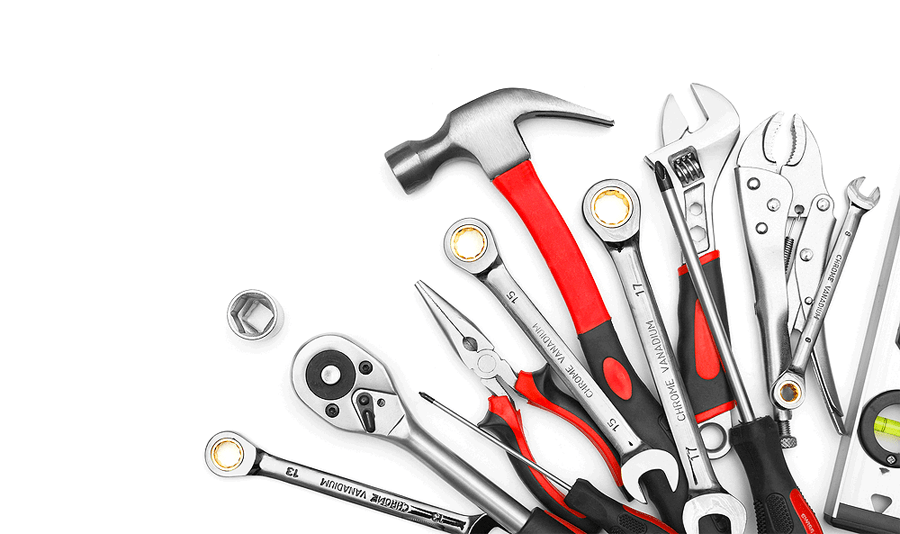
A well-rounded basic tool kit is the foundation of vehicle preparedness. It should contain a range of tools that cater to minor repairs and adjustments. Essential items in your toolkit should include:
- Socket Set: Often utilized for tightening or loosening bolts, a comprehensive socket set allows for a wide array of adjustments.
- Wrenches: Having both standard and metric wrenches can be crucial since automotive fasteners vary widely.
- Screwdrivers: A collection that features both Phillips and flat-head screwdrivers can tackle diverse fastener types.
- Pliers: From gripping to cutting, pliers are versatile tools that will serve you well in an automotive context.
- Hammer: A trusty hammer can be handy in many scenarios, particularly for persuasion or adjustment purposes.
2. Emergency Roadside Repairs
In moments of acute frustration, such as when you discover a tire that has succumbed to a slow leak or worse, goes flat entirely, having the right tools can turn a stressful ordeal into a manageable task. Be sure to include:
- Tire Jack: Essential for lifting your vehicle off the ground safely. Invest in a reliable hydraulic jack for easier lifting.
- Tire Iron: Equipped with a tire iron allows you to effortlessly remove lug nuts, facilitating tire changes with ease.
- Air Compressor: When faced with a low tire pressure scenario, a compact air compressor provides a vital boost.
- Tire Repair Kit: A good tire repair kit that includes plug tools can serve as a temporary solution until professional assistance is available.
3. Safety First
Your safety is paramount when dealing with vehicle emergencies. Consider packing safety tools to ensure you remain secure as you tackle repairs. These items should include:
- Reflective Triangle or Road Flares: These alert oncoming traffic of your presence, providing an additional layer of safety when working on the road.
- First Aid Kit: A well-stocked first aid kit can address minor injuries and provide peace of mind should an accident occur.
- Flashlight: When dealing with nighttime emergencies, a durable and bright flashlight is indispensable for visibility.
- Gloves: Disposable gloves keep your hands clean while working on your vehicle, protecting against grime and potential injuries.
4. Essential Fluid Supplies
Every vehicle, like any well-oiled machine, requires proper fluids to operate smoothly. Keep these on hand in your trunk or under your seats:
- Engine Oil: Maintaining engine health is critical; having a quart or two of oil can be handy for quick top-ups.
- Coolant: Essential for preventing engine overheating, especially in hot climates or during extended drives.
- Brake Fluid: Maintaining brake performance is crucial; having extra brake fluid on hand can prevent potential brake failures.
- Windshield Washer Fluid: For visibility, keeping your windshield clean is crucial, especially on long journeys or during storms.
5. Technology and Gadgets
In our tech-savvy world, several gadgets can enhance your vehicle preparedness:
- Portable Battery Jump Starter: Imagine being stranded with a dead battery. A compact jump starter enables you to revive a failing battery without needing another vehicle.
- OBD-II Scanner: A tool that interfaces with your vehicle’s computer can provide diagnostic information, potentially saving time and money on repairs.
- Smartphone with Good Apps: Navigation, road assistance, and diagnostic apps can assist you in navigating emergencies and repairs.
6. Regular Inspections and Maintenance
Tools alone won’t suffice; proactive maintenance and regular inspections are incredibly beneficial. This might involve checking tire pressure, fluid levels, and battery condition. Establishing a checklist for these inspections can ensure nothing critical is overlooked. Remember, being prepared is not just about possessing the tools but also knowing how and when to use them efficiently.
In conclusion, being prepared for an automotive mishap is a crucial aspect of road safety and comfort. The items listed create a solid foundation for any toolkit, equipping you to tackle various challenges that may arise during your travels. So, the next time you turn the ignition, consider this: are you armored with the right tools to master whatever the road throws your way? A little foresight can transform a potential crisis into a manageable situation, ensuring that your journey remains as smooth as intended.











Leave a Comment