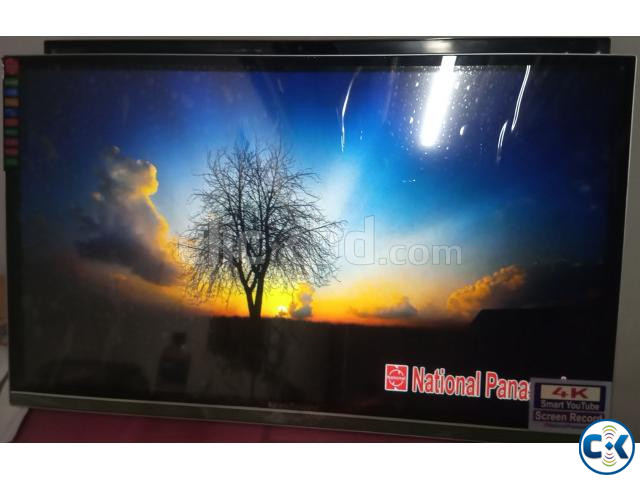
In the vast realm of consumer electronics, the 32-inch television has carved out a distinctive niche. Compact yet robust, suitable for myriad environments—from cozy dens to bustling kitchens—this size is designed to cater to both the casual viewer and the dedicated cinephile. But amidst the multitude of brands and models, how does one sift through the choices to identify the ideal “TV 32 National Electronic”? How do we navigate this landscape without drowning in options? Let’s embark on an exploration of what defines this particular category and scrutinize the characteristics that can elevate a television from mere functionality to an enhanced viewing experience.
1. Understanding Screen Types
The first decision point involves the underlying technology of the screen. Most modern 32-inch televisions feature either LED, LCD, or occasionally OLED displays. Each of these technologies presents unique attributes. LED offers a luminous clarity at an affordable price; LCD, while slightly older, still delivers impressive picture quality; and OLED, renowned for its exceptional contrast ratios and vibrant color displays, often commands a premium. What screen technology best suits your viewing habits and budget? The playful challenge here lies in weighing premium quality against cost-effectiveness.
2. Resolution Matters
Resolution is crucial in determining the clarity of the image on your TV. Today, 32-inch models typically range from HD (720p) to Full HD (1080p) and ultra-high-definition (UHD or 4K). While the latter two formats offer breathtaking detail and refinement, the question remains: Is your source content capable of taking full advantage of such high resolutions? If most of your viewing comprises standard broadcasts or streaming content that doesn’t exceed 720p, investing in a 4K model may not be prudent. This presents a conundrum: Should you future-proof your technology or align it closely with current content availability?
3. Smart Functionality
With the dawn of smart TVs, connectivity to the internet and the plethora of streaming services has become a must-have feature. A “National Electronic” title is typically endowed with smart capabilities, allowing access to platforms like Netflix, Hulu, and even gaming services. The challenge here is to balance between choosing a TV with extensive features and maintaining simplicity. Is a minimalist setup more appealing than a plethora of applications that may never be utilized? Dive into the smart feature set, examining user interfaces and ease of navigation. This decision is often dictated by how savvy you are with technology; embrace what you will actually use.
4. Audio Quality: The Unsung Hero
One of the overlooked aspects of television selection is audio quality. Many consumers focus solely on visual specifications and neglect the synergistic role sound plays in enhancing the overall experience. Look for features like built-in speakers from reputable brands, sound systems, or even compatibility with existing home theater setups. How does the auditory experience compare to other models? The durability of sound technology can make or break a viewing experience, especially for action films or immersive gaming. What additional speakers or sound systems are needed to complement the audio output? This introduces a fascinating challenge—how to pursue a comprehensive audio-visual experience without succumbing to potential clutter.
5. Connectivity: The Lifeline of Technology
A seamless user experience necessitates an array of connectivity options. HDMI, USB ports, and even Bluetooth capabilities are now essential for users aiming to connect their various devices—from gaming consoles to streaming sticks. Not all models boast the same number of ports, and many users have experienced frustration with limited connections. When selecting your TV, ask yourself: are there enough ports to accommodate current and future devices? Imagine wrestling with consistently switching cables, or worse, constantly rearranging your electronic setup. The challenge becomes one of foresight in a world where technology evolves in the blink of an eye.
6. Size and Placement Considerations
While a 32-inch screen may appear compact, spatial dynamics play a direct role in maximizing its potential. The distance from which you watch and the space wherein the television resides are crucial considerations. Do you intend to mount it on a wall, or will it reside atop a console? Evaluating placement options hinges on visual comfort and aesthetic appeal. Also, ponder the potential need for sound and display enhancements. Will the size of the room enhance or constrain your viewing experience? This challenge accentuates the importance of positioning, as one may grapple with whether the selection of a 32-inch model could be better complemented within a larger space.
In conclusion, selecting a “TV 32 National Electronic” offers myriad options, each with distinct merits and potential pitfalls. From screen technology and resolution to sound quality and connectivity, these elements are crucial in defining your viewing experience. As you embark on the quest for the perfect television, consider the multifaceted nature of your needs—practical versus aspirational. Can the pursuit of the ideal TV integrate seamlessly into your lifestyle, or will it become a surmountable challenge? The decision is yours, and the reward of thoughtful selection is a captivating viewing experience that spans beyond mere entertainment.









Leave a Comment