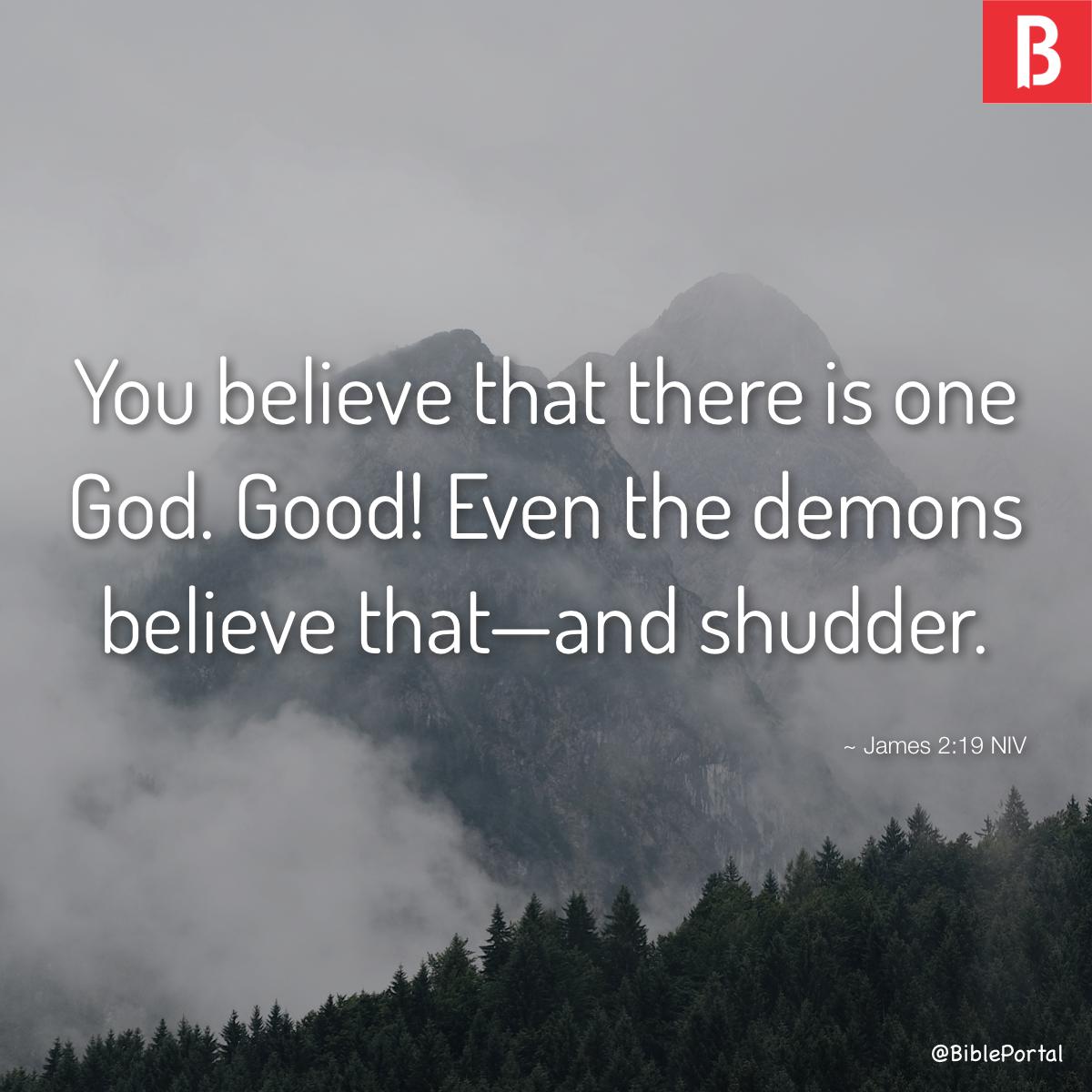
Throughout ages, the subject of demons has captivated the human imagination, straddling the line between reality and lore, belief and skepticism. In a world teeming with challenges and moral quandaries, one might playfully ponder: What role do demons play in our lives today? The Bible, a venerable anthology of religious teachings, narratives, and moral exhortations, offers illuminating insights on these enigmatic beings. This exploration attempts to synthesize key biblical passages and themes regarding demons, their characteristics, and their implications for humanity.
1. The Nature of Demons: Biblical Foundations
Demons are often portrayed in the Bible as malevolent spirits opposed to God. They are frequently associated with the fallen state of humanity and the cosmic conflict between divine goodness and malevolence. Several verses refer to demons as “unclean spirits,” emphasizing their moral depravity and estrangement from the sanctity of God. For instance, in the Gospels, we see Jesus casting out demons, asserting His authority over these sinister entities. This demarcation forms the crux of the biblical understanding—demons are not simply mythical creatures but represent deeper spiritual realities.
2. Historical Contexts: The Evolution of Belief
The perception of demons evolved parallel to societal values and theological developments. In ancient cultures, demons were often linked to illness and misfortune, acting as scapegoats for the inexplicable hardships of life. The Hebrew Scriptures, however, present a more nuanced understanding. The Old Testament references malevolent spirits, but their characteristics evolve in the New Testament, where they are specifically associated with the tempter Satan. This transformation invites contemplation—how does our current understanding of evil mirror ancient beliefs?
3. Demonic Possession: Manifestation and Misunderstanding
The New Testament introduces the concept of demonic possession, depicting individuals overtaken by these malign spirits. Cases such as the Gerasene demoniac illustrate the torment caused by possession, prompting an exploration of the nature of humanity and illness. This portrayal issues a challenge: Are we to perceive such disturbances as purely supernatural, or might they also signify psychological and societal afflictions? The duality inherent in our understanding of demons encourages a more holistic view of human suffering.
4. The Authority of Christ: Conquering Darkness
Central to the New Testament is the portrayal of Jesus as the ultimate authority over demons. His confrontations with demonic forces not only serve to affirm His divine nature, but they also convey a radical message of redemption. In casting out demons, Jesus not only liberates individuals but also signifies the impending triumph of good over evil. This prompts a formidable inquiry: If Christ’s authority is so transcendent, what does this suggest about our own encounters with darkness in the modern world?
5. Symbolism of Demons: A Reflection of Inner Turmoil
Demons, as described in the Bible, often symbolize the internal struggles faced by humankind. They represent the darker aspects of human nature—temptation, despair, and moral decay. This allegorical interpretation prompts readers to reflect on personal experiences of “demons” in their lives—those nagging fears, debilitating regrets, and insidious doubts that seek to undermine joy and purpose. How can acknowledging these internal “demons” lead to greater self-awareness and spiritual growth?
6. Spiritual Armor: Preparedness Against Evil
In the Epistle to the Ephesians, Paul speaks of the “armor of God” as vital for spiritual warfare against these malevolent forces. Each piece of armor—truth, righteousness, the gospel of peace, faith, salvation, and the Word of God—symbolizes essential virtues for resisting evil influences. This establishes a crucial paradigm: spiritual resilience necessitates active preparation and awareness. Thus, a challenge remains—how can individuals actively cultivate these virtues in the face of modern societal pressures and ethical dilemmas?
7. The Finality of Judgment: The Fate of Demons
Scripture culminates in a resounding assertion that demons, along with their master, Satan, are destined for judgment. The apocalyptic literature of the Bible foretells a final reckoning where evil will be vanquished and righteousness restored. This eschatological hope offers believers reassurance amid trials and tribulations. It beckons an introspective question—how does the knowledge of ultimate justice influence our daily choices and interactions with others?
In thematic coherence, the biblical narrative surrounding demons serves as a multifaceted examination of human experience, moral conflict, and spiritual reality. From ancient beliefs to contemporary interpretations, demons compel individuals to confront not only external threats but also the internal struggles that define humanity. By engaging with these profound texts, one may discover pathways to resilience, forgiveness, and enlightenment.
Ultimately, the exploration of what the Bible says about demons not only enriches understanding of spirituality but also invites profound self-reflection. It challenges us to interrogate our values, confront our fears, and aspire towards a life imbued with purpose and grace. As we navigate this intricate choreography between light and darkness, may we find the courage to embrace our journey, fortified by the wisdom of ages past.











Leave a Comment