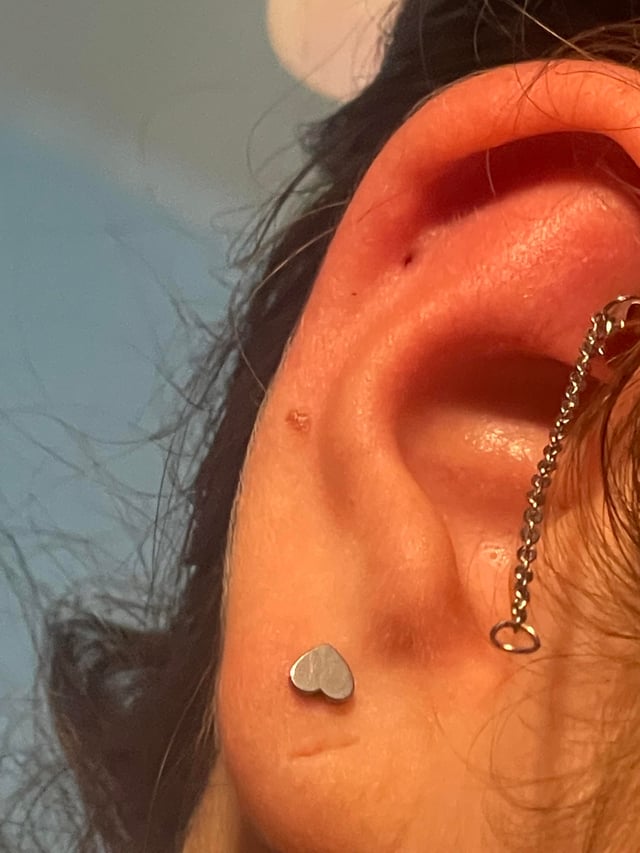
When contemplating a helix piercing, many individuals find themselves enamored not just by the aesthetic allure of the adornment but also by the rich tapestry of factors surrounding its gauge post-healing. Helix piercings, situated on the upper cartilage of the ear, can evoke curiosity about the measurement of the jewelry used, especially after the initial healing period. Understanding what gauge a helix piercing is when fully healed can provide insights into both its maintenance and the diverse array of jewelry options available.
Understanding Gauge Measurements
At the heart of the conversation around helix piercings lies the concept of gauge. Gauge refers to the thickness or diameter of the earring wire, with smaller gauge numbers indicating thicker jewelry. Standard jewelry gauge often ranges from 20 to 16 for helix piercings, though individual circumstances might dictate variations. A 20-gauge needle is precisely 0.8 mm in diameter, whereas a 16-gauge needle measures 1.2 mm, making for discernible differences in appearance and comfort.
Healing Process and Its Implications
Upon acquiring a helix piercing, the healing process is paramount. Generally, cartilage piercings, such as the helix, may take anywhere from six months to a year to fully heal. During this phase, the body undertakes remarkable physiological processes, knitting the tissue and fusing it around the jewelry. This regenerative phase warrants careful consideration of gauge, as individuals often opt for different sizes based on personal comfort and aesthetic preferences. The initial jewelry is typically larger and often a 16-gauge, accommodating swelling as the body engenders healing responses.
Gauge After Healing
Once the helix piercing has successfully healed, the appropriate gauge typically remains at 16-gauge. However, some piercing enthusiasts may venture into the realm of customized jewelry, exploring 18-gauge options or even larger gauges, depending on the aesthetic they wish to convey. It is critical to ensure that any adjustment in gauge after healing is approached cautiously, as introducing jewelry that is too thin or thick can lead to complications, such as pain or irritation. Awareness of the healing timeline is paramount when making decisions about switching jewelry.
Jewelry Material and Its Role
The material of the jewelry also plays a significant role in the overall experience of the helix piercing. Surgical-grade stainless steel, titanium, and niobium are common materials, prized for their hypoallergenic properties and durability. Each material boasts a different impact on the healing process and subsequent gauge considerations. For instance, titanium, renowned for its biocompatibility, may allow for a smoother adaptation during the transition from healing to the wearing of standard jewelry gauge.
The Aesthetic Appeal of Gauge Variations
The allure of varying gauges transcends health and comfort—it extends into the realm of personal expression. The choices surrounding gauge sizes can reflect an individual’s style, making statements through minimalist designs or bold, statement pieces. As trends evolve, more people are gravitating toward unique configurations and aesthetics, such as the simultaneous wearing of multiple helix piercings, further complicating gauge decisions.
Common Misconceptions
There are nuances regarding helix piercings and gauge that often lead to misconceptions. For instance, some may erroneously believe that a larger gauge will result in faster healing. In reality, the human body has a remarkable capacity for healing, independent of the jewelry’s thickness. Others might think that switching to a smaller gauge is synonymous with enhanced comfort; however, this can often lead to unnecessary complications. It’s crucial to approach gauge transitions with informed caution.
Care Considerations for Healed Piercings
Once healed, proper aftercare continues to be an essential conversation for helix piercing aficionados. Individuals should continue to maintain diligent hygiene practices, ensuring that jewelry is kept clean and irritation-free. Periodic checks of the tightness of the earring and monitoring for any signs of discomfort are also vital. The gauge, therefore, intersects with care practices; comfort in gauge sizing directly correlates with sustained maintenance and care.
Conclusion
In summary, understanding the gauge of a helix piercing upon healing delves deeper than merely measuring the jewelry. It encapsulates a blend of aesthetics, body awareness, and personal expression. The complexities of gauge sizes, their healing implications, the role of materials, and ongoing care considerations weave a narrative that speaks to the beauty and intricacy of body modifications. As individuals navigate their journeys with helix piercings, remaining informed about these multifaceted aspects can significantly enhance their experience, ensuring a harmonious balance between artistic expression and health considerations.









Leave a Comment