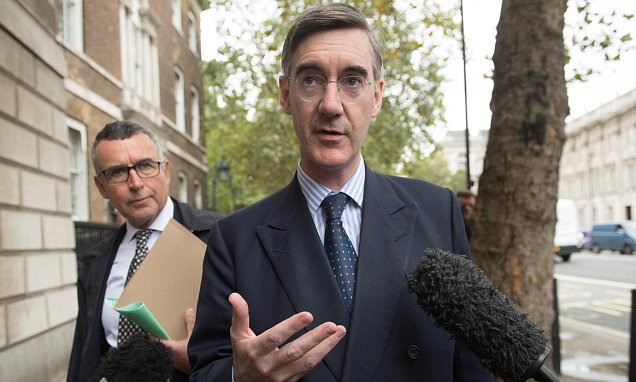
In the kaleidoscopic tapestry of the 1960s, a decade renowned for its tumultuous political landscape and cultural revolutions, glasses played an unexpectedly pivotal role in defining the personal images of the politicians who shaped that era. With style varying from the austere to the avant-garde, eyewear was not merely a practical accessory; it became a statement of ethos, particularly thoughtful in a time when appearances could sway public perception. Have you ever pondered what glasses adorned the visages of these influential figures? Join us as we delve into the stylish yet serious realm of eyewear and the politicians who donned them throughout this unforgettable decade.
To truly understand the significance of eyewear among political figures in the 1960s, we must first consider the confluence of fashion and ideology that marked the period. The sartorial choices were a reflection of deeper philosophies and perceptions. In such a politically charged landscape, glasses were more than mere functional instruments for vision correction; they were symbols of intellect, authority, and sometimes, rebellion.
One of the most iconic figures of the decade, President John F. Kennedy, often comes to mind when we think of 1960s politics. However, JFK was largely known for his strikingly handsome appearance and did not frequently wear glasses. But the absence of eyewear from his personal style didn’t diminish the impact of glasses in his cabinet. His brother, Attorney General Robert F. Kennedy, was sometimes seen wearing classic wire-rim glasses. While not flamboyant, this understated style suggested an air of intellectual legitimacy and contemplative prowess.
Contrasting this refined persona was the flamboyance of Senator Ted Kennedy, who, at the time, was carving out his identity in the political arena. Often sporting aviator or oversized frames, Ted embodied a youthful vigor infused with the kind of rebellious spirit cherished by the burgeoning counterculture. His choice represented not only his unique vision for political progress but also alignment with the surging youth movement of the time. Can you imagine how these visual choices were interpreted by the electorate?
Next, we turn our gaze to the female politicians of the 1960s, whose eyewear was just as revealing of their characters and intentions. The most notable example is Congresswoman Shirley Chisholm, who would later become the first African American woman elected to the United States Congress. Chisholm often sported bold, oversized frames that exuded confidence and assertiveness—qualities essential in a groundbreaking politician challenging the status quo. Her style elevated her presence on the floor, making it clear that her voice would not be drowned out.
Then there’s the ever-charming and integral figure of House Representative Bella Abzug. Known for her large-brimmed hats and equally commanding spectacles, Abzug’s frames were a statement—bold, large, and unapologetically attention-grabbing. This was no mere eyewear; it was armor in a world where women were often silenced and underestimated. Abzug’s eclectic glasses were integral to her persona, making her an indelible figure in the feminist movement while simultaneously solidifying her political identity.
The transformative nature of glasses in the political arena extended beyond mere aesthetics. They served as a medium for connection, relatability, and even aspiration. Figures like California Governor Ronald Reagan favored a classic, conservative style, often opting for tortoiseshell frames. These timeless choices fortified his image as the epitome of American ideals—steady, reliable, and unwavering. In this way, eyewear contributed not just to a visual identity but to the cultural mythology surrounding these figures.
Transitioning towards a more radical approach, we encounter figures like Stokely Carmichael, a prominent leader of the civil rights movement who later advocated for Black Power. Carmichael’s choice of horn-rimmed glasses symbolized a burgeoning self-empowerment among African Americans, juxtaposing the traditionally staid and conservative associations of eyewear with a fiercer, more energized vision of resistance and identity reclamation.
Another notable seat of political power was the United Kingdom, where Prime Minister Harold Wilson was often seen wearing thick-rimmed glasses. His personas—both as a leader and as an individual—intertwined with this choice of eyewear, portraying a sense of gravitas and intellect. His spectacles reinforced the prevalent narrative of a thoughtful yet effective prime minister at the helm during turbulent times.
Of course, one cannot discuss the political eyewear of this era without acknowledging the counterculture movements that blossomed throughout the decade. Figures like Abbie Hoffman, a leading anti-war activist, not only wore bold, funky glasses that paralleled the psychedelic trends of the time, but also redefined the political landscape by challenging the conventional norms. Eyewear became an emblem of defiance, a way to assert individuality against the backdrop of conservative political spheres.
The remarkable saga of 1960s political eyewear presents us with a delightful challenge of sorts: do glasses shape how we perceive power dynamics and authority? Or are they mere reflections of the characters that wear them? Perhaps the answer lies in the beautiful interplay between practicality and persona, where each frame, each lens offers a glimpse into the soul of a generation grappling with profound change.
As we reflect on the kaleidoscope of eyewear adorning the prominent political figures of the 1960s, it’s evident that these accessories were more than functional; they were cultural barometers echoing societal attitudes. Whether understated or audacious, eyeglasses helped craft narratives and solidify identities in a transformative era. Thus, whether the glasses perched atop a nose were thick, thin, stylish, or eccentric, they carried with them the aspirations and complexities of a world rushing towards revolution.








Leave a Comment