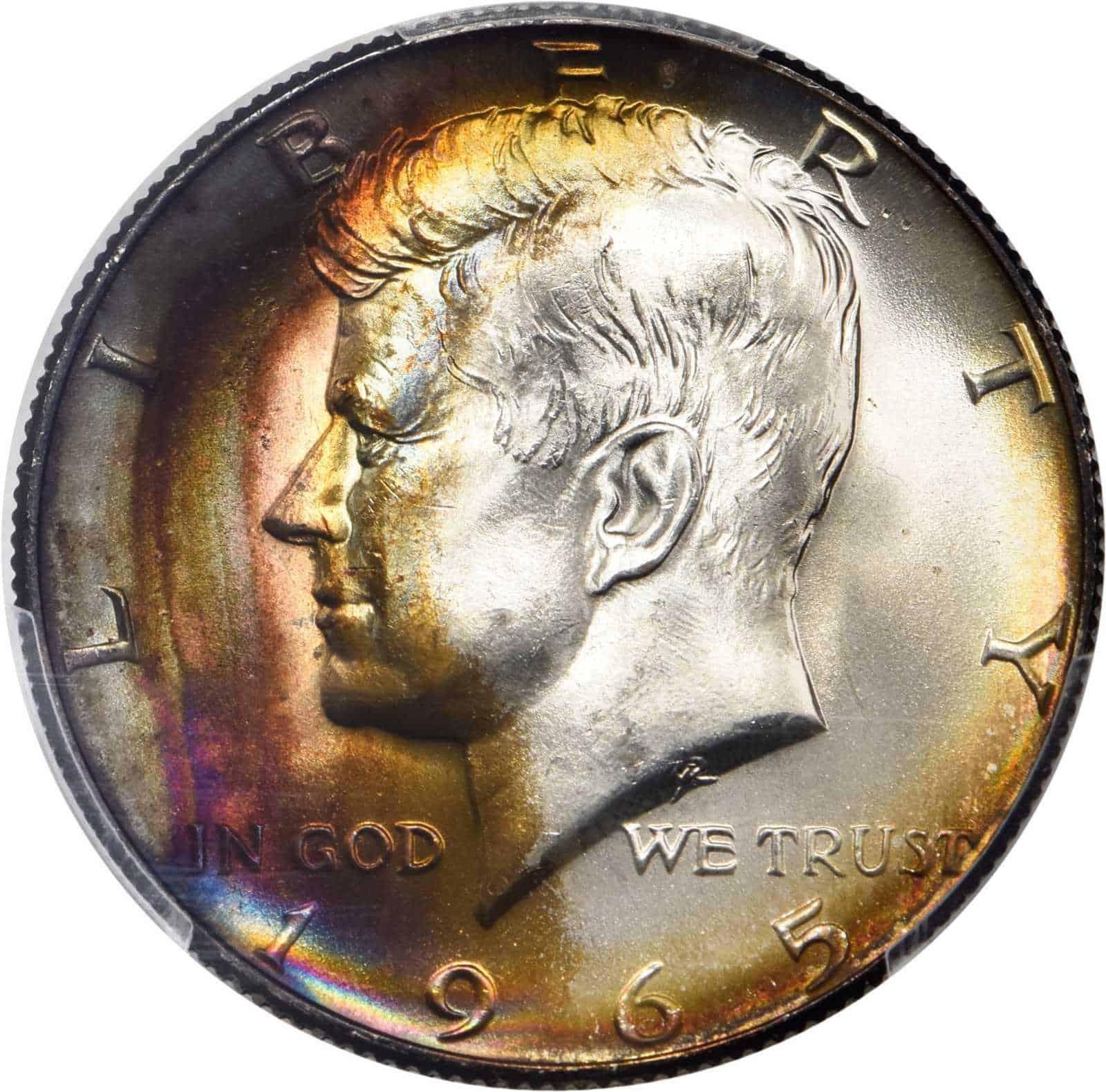
The 1971 Kennedy Half Dollar holds a unique position in the annals of numismatics, evoking curiosity among collectors and enthusiasts alike. While half dollars were prevalent in American currency, the 1971 edition has elements that can elevate it to a coveted status. This piece will delve into the characteristics that can render a 1971 Kennedy Half Dollar rare, exploring various aspects such as mint marks, errors, grading, and historical significance.
Understanding the Basics of the 1971 Kennedy Half Dollar
The 1971 Kennedy Half Dollar is part of a series that honors President John F. Kennedy, and it was produced in significant quantities. However, not all coins are created equally. Collectors should first understand what makes some examples of this coin more valuable than others. An overview of the coin’s composition and design is pivotal. Struck in a copper-nickel alloy, these half dollars are approximately 91.67% copper and 8.33% nickel. The coin features a left-facing bust of Kennedy on the obverse side, while the reverse showcases an eagle, a design that echoes the themes of freedom and leadership.
Mint Marks: A Key Element in Rarity
Mint marks are critical identifiers stamped on coins, indicating where they were produced. For the 1971 Kennedy Half Dollar, three mints were operational: the Philadelphia Mint (no mint mark), the Denver Mint (D), and the San Francisco Mint (S). Most of the coins were produced at the Philadelphia Mint, making this version comparatively less rare. Conversely, those that bear the ‘S’ mint mark, particularly the proof coins, are often more sought after due to their lower production numbers. Proof coins are struck using a process that involves multiple strikes on polished blanks, resulting in a mirror-like finish that enhances their aesthetic appeal.
Error Coins: The Pinnacle of Rarity
Errors or varieties can significantly augment rarity and, consequently, value. Various types of errors exist for the 1971 Kennedy Half Dollar. Examples include double die errors, where the coin’s design is mistakenly struck twice, leading to noticeable shifts in details. Such errors can captivate collectors due to their visual discrepancy. Another notable error type is the off-center strike, whereby the planchet is improperly positioned during minting, producing a coin that lacks a balanced design. Such errors can fetch hefty premiums in the collector market, often attributed to the limited supply of error coins relative to standard issues.
Grading and Condition: The Art of Evaluation
The condition of the coin, often denoted through a grading system ranging from 1 to 70, plays an instrumental role in determining its worth. A coin graded at 65 or above is considered to be in very fine to uncirculated condition, thereby becoming increasingly rare and desirable. Key factors contributing to the grade include the presence of scratches, discoloration, and overall wear, which can considerably impact a coin’s market value. Collectors aiming for rarity often seek out coins that exhibit exceptional preservation or those that have been certified by professional grading services.
Market Demand and Historical Significance
The allure of the 1971 Kennedy Half Dollar does not merely rest on its physical characteristics; the historical context also plays an essential role. Released just a few years after Kennedy’s assassination, the half dollar serves as a poignant reminder of his legacy and impact on American society. Demand from collectors can fluctuate based on sociopolitical sentiment and trends in numismatics, creating a dynamic market where the 1971 coin can surge in popularity at any given moment. Additionally, the coin commemorates a transitional era in American history, further enhancing its desirability among those with a keen interest in historical memorabilia.
Special Sets and Anniversary Editions
Anniversaries often provide additional dimensions to the rarity of certain coin types. In the case of the Kennedy Half Dollar, various special sets released by the U.S. Mint include the 1971 coin, sometimes packaged with other research materials or collectibles. These sets can become desirable not just for their individual components but for the presentation and packaging as well. Furthermore, limited edition anniversary coins released in later years may contain design alterations that further appeal to collectors seeking both rarity and desirability.
Collecting Strategies and Considerations
For those interested in adding a 1971 Kennedy Half Dollar to their collection, it is vital to approach the endeavor with strategic foresight. Educating oneself about market trends, familiarizing oneself with grading criteria, and establishing relationships with reputable dealers can significantly enhance the chances of acquiring rarer specimens. Networking within numismatic communities can also yield insights and opportunities that may not be readily apparent in broader market contexts.
Conclusion
In conclusion, the rarity of the 1971 Kennedy Half Dollar is multifaceted, encompassing elements such as mint marks, error types, and overall condition, while being steeped in rich historical narrative. As one navigates the world of coin collecting, understanding these nuances can make the pursuit not only rewarding but also educational. Whether one is a seasoned collector or a newcomer dipping their toes into numismatics, the quest to uncover the rare gems among the 1971 Kennedy Half Dollars remains an exciting journey full of discovery and potential. The intrinsic value and historical weight of these coins ensure they occupy a vital niche within American numismatic history.








Leave a Comment