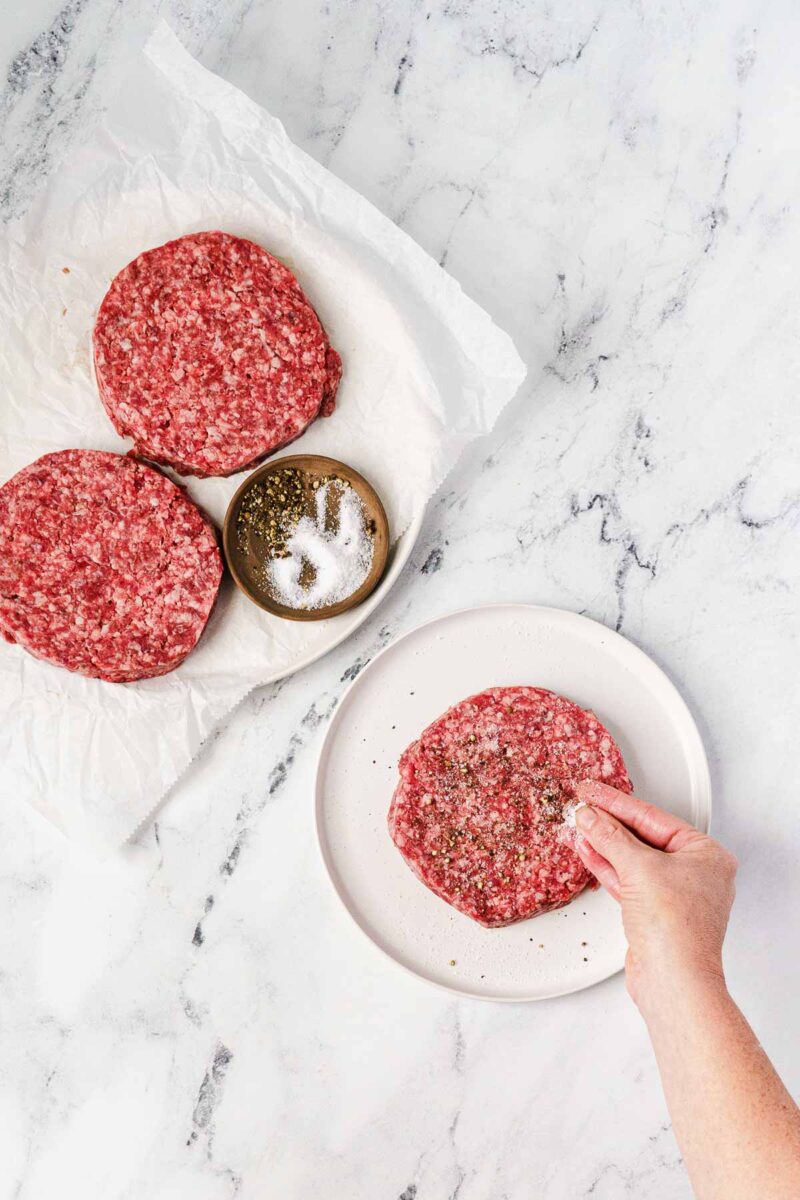
Is it possible that you’ve been savoring the exquisite flavor of Wagyu burgers, only to be met with an unexpectedly mushy texture? As if taken by surprise, this culinary paradox raises the playful question: why do these luxurious patties often feel more like a soft cloud than a hearty meal? Let’s embark on a meticulous exploration of the multifaceted reasons behind this intriguing phenomenon, unraveling the enigmatic attributes of Wagyu beef and its preparation.
Wagyu beef hails from Japan, renowned for its unparalleled marbling and richness. This beef variety has garnered a reputation that often precedes itself, inducing cravings that are hard to resist. But beneath its indulgent appeal lies an inherent trait that may puzzle many when it comes to forming the perfect burger. The smoothness of a Wagyu burger, while delightful, comes with a unique set of challenges.
To commence our investigation, understanding the composition of Wagyu beef is crucial. The term ‘Wagyu’ translates to “Japanese cow,” and refers to four specific breeds known for their ability to produce meat with phenomenal marbling. This marbling, the delicate veins of fat interspersed throughout each muscle fiber, is a hallmark of the meat’s tenderness and flavor. However, when these muscles are ground into patties, the very qualities that make Wagyu so lavish also contribute to a softer texture.
Additionally, the fat content in Wagyu is remarkably high. While this contributes to the burger’s rich flavor profile, it also poses a potential pitfall. During the grinding process, this fat can break down into a paste-like consistency, adversely impacting the burger’s structural integrity. Resulting in a slippery finish, the excess fat can lead to patties that do not hold together as one might expect. This can present quite a challenge when attempting to achieve that quintessential ‘bite’ characteristic to a great burger.
A further aspect to consider is the temperature at which the meat is ground. Grinding meat at warmer temperatures can exacerbate the mushy texture. As the fat within the Wagyu begins to liquefy, the mixture can transform into a more cohesive and gooey formation, leading to a lack of the firm bite. For the ambitious home cook, understanding this principle invites the need for conscientious preparation. Keeping Wagyu cold, even during the grinding process, becomes a tactical necessity in maintaining its intended texture.
The grind size also warrants attention. Chefs often debate the ideal coarseness for grinding meat. A fine grind may be tempting for those seeking a more uniform blend, but it often results in a denser texture that can compromise the burger’s overall mouthfeel. Instead, opting for a coarser grind allows the natural fibers of the meat to weave together, creating a more resilient patty without sacrificing the tenderness that Wagyu is famous for. This tactic requires a balance; thus, discerning the appropriate grind size can make all the difference in the final product.
For those determined to maintain the luscious quality of Wagyu, forming techniques matter immensely. While pressing the meat into patties may be intuitive, excessive handling can lead to compaction. The goal is to allow the marbling to shine without pressuring the meat into a dense mass. Instead, gently forming the patty by hand minimizes the crushing of fat cells and lets the beef’s natural structure maintain its character. It is an art form in gentleness, one of the keys to preserving that luxurious bite.
Finally, let us delve into the cooking specifications of a Wagyu burger. Whether grilled or pan-seared, the cooking method significantly affects the textural outcome. A high-heat sear not only develops a savory crust but also helps lock in moisture and flavor. Cook it to medium-rare to strike an exquisite balance; cooking beyond that may further render the fat, inviting a scenario where the patty becomes overly soft and loses the structural crutch that juiciness can provide. This balance between heat and time emerges as pivotal, the fork-teasing tension climbing to gourmet heights.
So, there you have it – a kaleidoscopic view of why Wagyu burgers can often turn out mushy during grinding. The interplay of fat content, temperature control, grinding technique, and cooking method all converge to shape the texture. Each facet presents opportunities for culinary mastery and exploration, encouraging an experimental approach.
In conclusion, reveling in the richness of Wagyu beef is undeniably rewarding, but it requires a nuanced understanding of its properties. Armed with the insight regarding the challenges presented during grinding and cooking, one can elevate the humble burger into a gastronomic experience. The next time you savor a Wagyu burger, you’ll not only appreciate its heavenly flavor but also its intricate story hidden behind that delightful softness. Embrace the complexities that lie beneath the surface, and discover the joy in perfecting the art of the Wagyu burger.










Leave a Comment