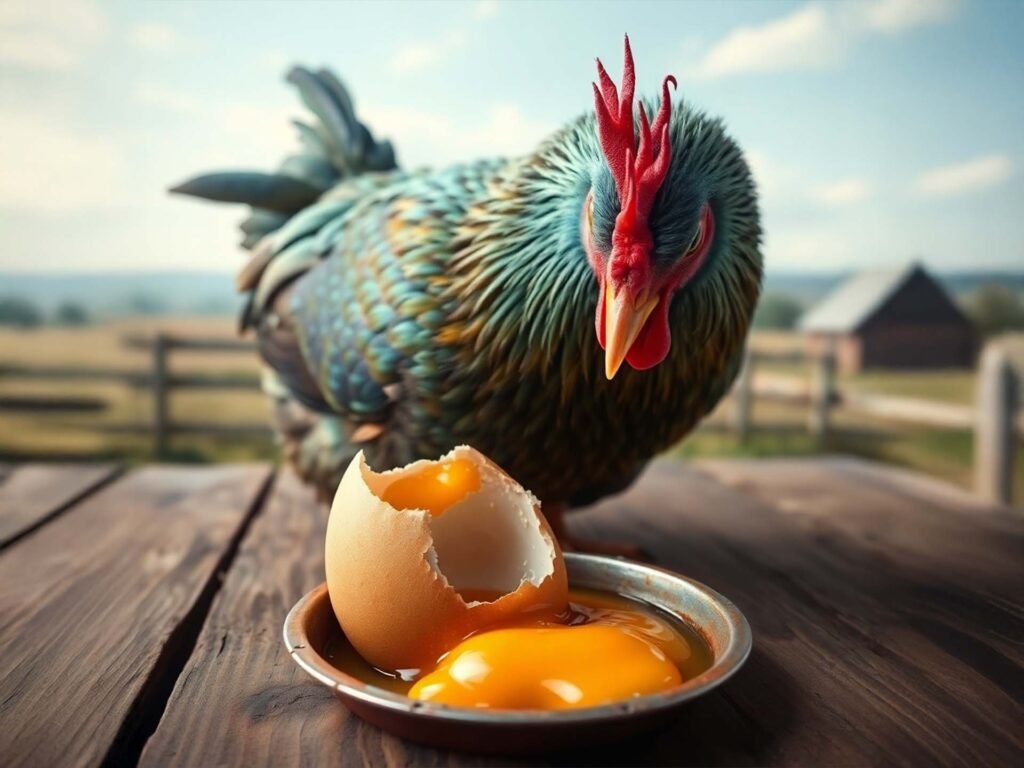
Chickens are arguably one of the most fascinating domesticated birds, known not only for their egg production but also for their intriguing behaviors. One behavior that raises questions among poultry enthusiasts and backyard farmers alike is the phenomenon of chickens consuming their own eggs. This peculiar act can seem alarming and leaves many to wonder: why do chickens eat their eggs? Understanding this behavior is crucial for every chicken keeper, as it can significantly impact the health and productivity of the flock. This article delves into the various factors that contribute to egg-eating among chickens, elaborating on the phenomenon and offering recommendations to mitigate it.
The Nutritional Deficiency Theory
One of the most prevalent reasons chickens may consume their own eggs is a deficiency in their diet. Chickens require a well-balanced diet rich in protein, minerals, and vitamins to maintain optimal health. When their diet is lacking essential nutrients, particularly calcium, they may instinctively turn to their eggs as a source of replenishment. Calcium is especially critical for the formation of strong eggshells, and a deficiency can lead to soft-shelled eggs, making them easier targets for pecking and consumption.
To mitigate this issue, ensure that your chickens have access to an adequate supply of high-quality layers’ feed, supplemented with calcium-rich options such as oyster shells or limestone. Additionally, providing a variety of vegetables and proteins can help fulfill their nutritional requirements, ultimately reducing the likelihood of egg-eating behavior.
Stress and Environmental Factors
The stress levels within a chicken coop can be another significant factor influencing egg-eating behaviors. Chickens are sensitive creatures and may react to changes in their environment, such as the introduction of new flock members, confinement, or inadequate space. When subjected to high-stress levels, chickens may engage in maladaptive behaviors, including egg consumption as a coping mechanism.
To create a more harmonious environment, ensure the coop is spacious and comfortable. Provide ample nesting boxes to accommodate all hens, as overcrowding can exacerbate stress. Additionally, establishing a predictable routine can help minimize anxiety among the flock. Identifying and addressing stressors is paramount in curbing the propensity for egg-eating.
Curiosity and Pecking Order Dynamics
Chickens are naturally curious animals, and their exploratory behavior can lead them to peck at eggs out of sheer fascination. Once a chicken discovers the contents of an egg, they may be drawn to the action repeatedly, leading to a cycle of egg-eating within the flock. Observing this behavior can often reveal underlying social dynamics as well. For instance, if certain hens dominate the feeding area or nesting boxes, it could cause others to become disheartened, leading them to resort to consuming their own eggs.
To curb such tendencies, monitoring the social dynamics of your flock is essential. If you notice that specific hens exhibit dominating behaviors, consider separating them temporarily to allow less assertive members of the flock to feed and nest without intimidation. Distraction techniques, such as providing pecking opportunities with vegetables or special treats, can also redirect curiosities away from their eggs.
Habit Formation
Egg-eating can also become habitual. If a chicken has eaten an egg once, they may associate the act with positive reinforcement, such as the taste or the immediate satisfaction it provides. This can create a cycle where the returned behavior becomes increasingly ingrained, making it challenging to break. Moreover, if other hens witness one chicken indulging in this behavior, they may be inclined to imitate it, leading to a broader culture of egg consumption within the flock.
To address this, immediate intervention is crucial when discovering an egg-eater. Isolate the offending hen promptly, as this can deter other chickens from emulating the behavior. Additionally, ensuring eggs are collected frequently can reduce the opportunities for this behavior to manifest. The less time an egg spends in the nesting area, the lower the risk of it being consumed.
Underlying Health Issues
Occasionally, underlying health problems might lead to egg-eating. Issues such as parasites, infections, or reproductive problems can predispose hens to engage in egg consumption, as they might instinctively know something is amiss with their physiology. If the egg-eating habits seem to have no clear external cause, a visit to a veterinarian specializing in avian medicine may be warranted to rule out potential health issues.
Regular health check-ups, proper vaccination schedules, and a clean living environment can help maintain flock health and mitigate potential issues that could lead to egg-eating behaviors. Knowledgeable flock management is the bedrock of a healthy chicken ecosystem.
Conclusion
The reasons why chickens eat their own eggs can be multifaceted, ranging from nutritional deficiencies to behavioral habits and environmental stressors. Addressing these factors involves a combination of proper diet management, environmental enrichment, and keen observation of flock dynamics. By creating a stable habitat and providing adequate nutrition, chicken keepers can massively reduce the occurrence of this alarming behavior. Ultimately, understanding the “why” behind egg-eating paves the way for healthier chickens and more abundant egg production, enabling chicken enthusiasts to fully enjoy the rewards of their avian companions.








Leave a Comment