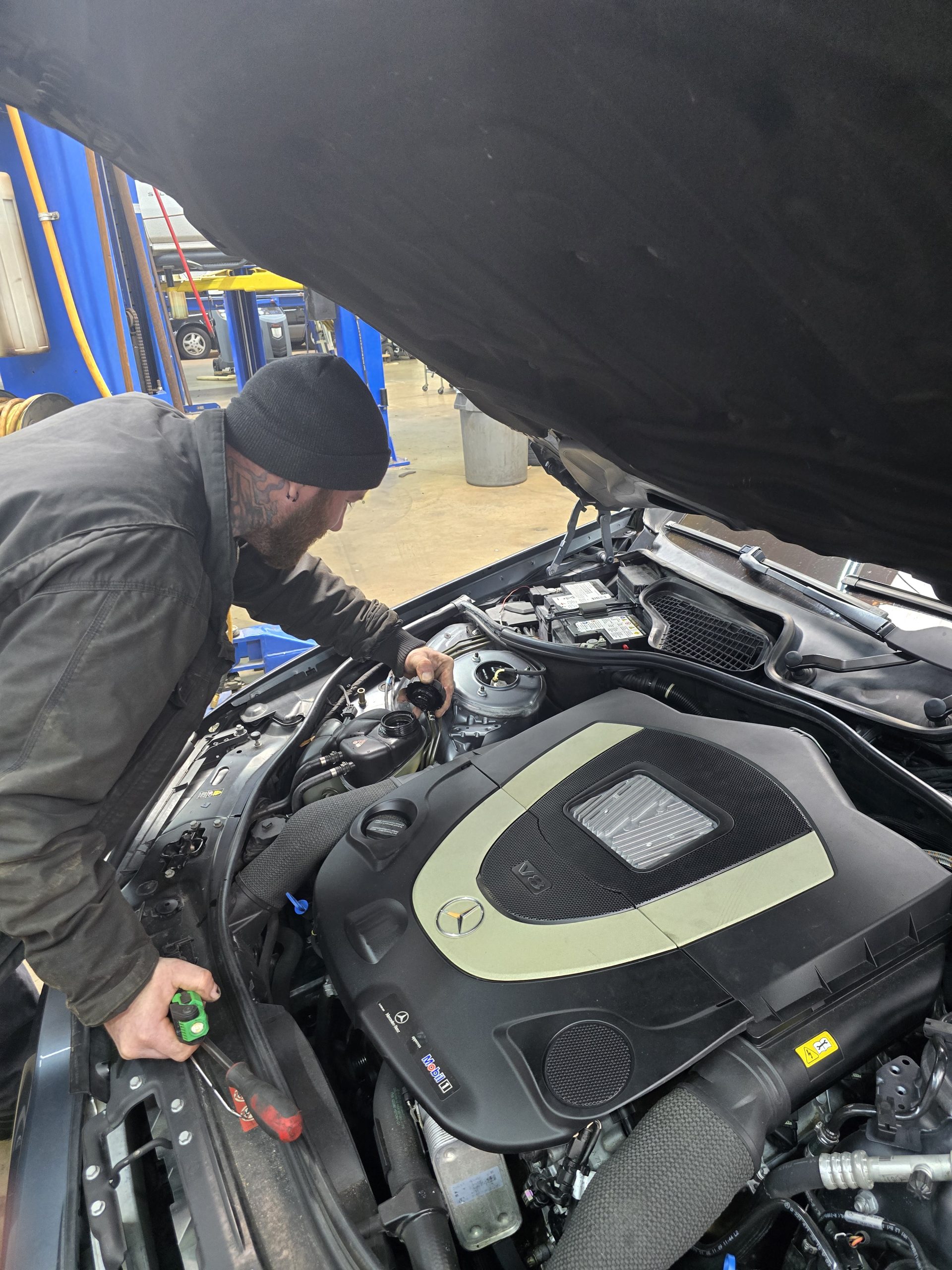
As winter’s frigid breath weaves through the landscape, a functioning car heater becomes an essential companion on the road. The joyous ambiance of the season can be ruthlessly interrupted when your car’s heater is blowing cold air, transforming a cozy commute into an expedition across an icy abyss. Understanding the underlying causes can prevent your vehicle from becoming a hastily built igloo. This article delves into the chilling phenomenon of a car heater blowing cold air, offering insights into potential culprits and remedies.
1. The Anticipated Warmth: Understanding the Heating Process
To appreciate why your heater is expelling cold air, it’s imperative to first comprehend how a car heater operates. The genesis of warmth culminates from the engine’s coolant, a lifecycle brimming with symbiosis between various mechanical components. The engine warms the coolant, which then travels through the heater core, reminiscent of a small radiator, dispersing heat into the cabin via fans. This orchestrated ballet of thermodynamics can go awry for several reasons.
2. Coolant Conundrums: Low Coolant Levels
One common reason for a cold breath instead of a warm embrace from your heater is low coolant levels. Much like a tree deprived of sufficient nutrients, an engine without adequate coolant cannot thrive. Coolant escapes through leaks, cracks, or faulty hoses, depriving the heater core of its essential lifeblood. A simple yet thorough inspection of the coolant reservoir may reveal whether a pitifully low level is to blame.
3. The Hidden Evils: Leaks and Blockages
Beyond merely low levels, another insidious issue is the potential for leaks. One could liken these leaks to tiny fissures in a dam; even minor breaches can drastically affect performance. Common culprits include split hoses, faulty connections, or even a degraded heater core itself. Additionally, blockages commonly arise from debris or rust within the cooling system, obstructing the passage of coolant. Employing a meticulous eye to detect leaks can save you from a perennial winter nightmare.
4. Thermostat Troubles: An Essential Regulator
The thermostat is an unsung hero of automotive heating, regulating coolant flow between the engine and the radiator. An open thermostat—or one that has gone awry—can lead to an underachieving heater. When the thermostat fails to close, coolant circulates too quickly, preventing the engine from reaching its optimal temperature. Diagnosis involves assessing the thermostat’s responsiveness, identifying whether it is stuck open or closed, akin to discovering a faulty conductor leading an orchestra astray.
5. Airflow Anomalies: Blower Motor and Fan Issues
The warmth within your vehicle is not only reliant on the coolant but also heavily dependent on the airflow system. If the blower motor suddenly transitions to silence, or if the fan fails to invigorate the space, cold air may dominate the cabin’s chill. Mechanical failures in the blower motor or disruptions in the fan’s operations, originating from electrical issues or worn-out components, can severely impact the heater’s performance. Testing and inspecting the components can unveil these potential deficits.
6. Control System Dilemmas: Climate Control Malfunctions
Modern vehicles boast climate control systems that pivot on electronic mechanisms, integrating sensors and switches to modulate temperature. Anomalies in these systems, be it a malfunctioning temperature sensor or a defective control module, can disrupt the harmonious interaction between your heater and cabin environment. If the reluctance to warm manifests suddenly, scrutinizing these electronic components may unveil the enigma behind the chill.
7. Seasonal Symbiosis: The Role of the AC System
It is crucial to recognize the inadvertent interconnection between your car’s heating and air conditioning systems. Refrigerant leaks or compressor failures can inadvertently affect the heater’s effectiveness. When the air conditioning system performs inefficiently, it can inadvertently siphon warmth from the cabin, leading to a misleading perception of a malfunction. A comprehensive examination of both systems can provide clarity.
8. Routine Maintenance: Preventive Measures
Preventative measures can be your best shield against the frigid grasp of a failing heater. Regularly checking coolant levels, inspecting hoses, and ensuring the thermostat operates correctly should become a ritual akin to the changing of seasons. A well-maintained vehicle journeys gracefully through winter’s chill, its heater functioning as a steadfast guardian against the biting cold.
Conclusion: Embracing Comfort in the Chill
Ultimately, a car heater blowing cold air can be a perplexing conundrum, akin to an artist’s canvas marred by errant brushstrokes. By understanding the intricate components and systems at play, one can effectively diagnose—if not resolve—the issue. Embracing proactive measures ensures your vehicle transforms from a mere mode of transport into a cozy sanctuary amidst winter’s cruel embrace. With proper attention and care, the heater can become a warm embrace, ready to fend off the chill and restore comfort to every journey.











Leave a Comment