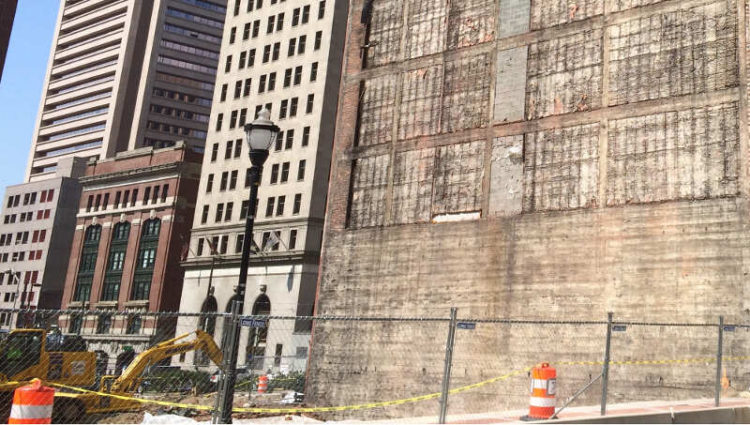
Maryland’s largest city, Baltimore, is a place of stark contrasts and rich histories, marked as much by its vibrancy as by its challenges. While it is frequently celebrated for its cultural institutions and stunning waterfront, there exists an undercurrent of complexities that presents a different narrative—the darker, worse parts of Baltimore. These areas, often overlooked in favor of more picturesque locales, invite both concern and fascination. They embody tales of struggle and resilience, framing Baltimore’s identity in a decidedly multifaceted light.
1. West Baltimore: The Struggles of History
West Baltimore is often emblematic of the city’s challenges. Streets like North Avenue and West Baltimore Street echo with stories of a bygone era, leaving those who wander to ponder the impacts of systemic neglect. The area is rife with abandoned buildings and vacant lots, remnants of a community once vibrant but now besieged by economic decline. The stories here are not just of hardship but of the community’s enduring spirit. Public initiatives have attempted to breathe new life into the area; however, the scars of socio-economic disparity remain glaringly evident.
2. East Baltimore: The Dichotomy of Aspiration and Decay
East Baltimore, especially neighborhoods like Perkins Homes and the surrounding region, paint a contrasting picture. Here, historical significance clashes with current realities. While home to the renowned Johns Hopkins Hospital, one of the world’s leading medical institutions, the broader area is rife with challenges, such as poverty and inadequate housing. This juxtaposition highlights the intricacies of urban planning and societal investment failures, raising questions about how proximity to wealth can coexist with such stark poverty. The narrative here is compelling, laced with threads of aspiration yet tethered to the weight of socio-economic challenges.
3. The Impact of Crime Rates
Baltimore has garnered attention due to its persistent struggles with crime. Neighborhoods like Sandtown-Winchester have often been spotlighted for their high crime rates. The reasons behind this are manifold, encompassing factors such as unemployment, systemic disenfranchisement, and a lack of educational resources. While crime statistics present a grim tableau, they are more significant as indicators of broader societal issues. Understanding this phenomenon involves delving into the root causes of urban violence and the cycles of poverty that contribute to criminal behavior.
4. Gentrification: Displacement and Conflict
As Baltimore grapples with urban renewal, the specter of gentrification looms large. Areas like Fells Point and Highlandtown are transitioning rapidly—once traditional neighborhoods are now becoming sought-after enclaves for young professionals. This transformation, while revitalizing some portions of the city, often leads to the displacement of long-time residents. The tensions surrounding gentrification spark debates about equitable development and the rights of existing residents, highlighting the dilemma of balancing growth with community integrity. Through this lens, one discovers the multiplicitous narratives that define Baltimore’s evolution.
5. Public Education: A System in Distress
Baltimore’s education system has faced intense scrutiny, particularly in underserved communities. Schools in areas like the Northwest Baltimore neighborhood show stark disparities in resources and funding compared to more affluent regions. The disparities underscore the systemic inequities that exist not just in funding, but also in opportunities for educational attainment. As families strive for better options, many students face an uphill battle, calling into question the future of the city’s youth and the broader implications for societal progress.
6. The Role of Community Initiatives
Despite these challenges, there are numerous community initiatives aimed at fostering hope and resilience. Organizations like Strong City Baltimore are working fervently to bridge gaps in education, health, and economic opportunity. Their efforts illustrate how communities can mobilize resources, raise awareness, and advocate for change. The presence of grassroots movements highlights the human capacity for advocacy and underscores a refusal to be defined solely by adversity.
7. The Perception of Baltimore: Beyond the Stereotypes
The perception of Baltimore, often caricatured in the media and popular culture, often oversimplifies its complexities. The rich tapestry of the city, woven from various threads of struggle and triumph, frequently eludes easy categorization. This dichotomy between the city’s vibrant arts scene, historical significance, and entrenched socio-economic issues serves to create a multifaceted identity. Understanding Baltimore requires an awareness of these complexities, acknowledging both its illuminating and obscuring aspects.
8. The Legacy of Racial Segregation
Racial segregation has played a significant role in shaping the landscape of Baltimore. Historically, the disinvestment in African American neighborhoods, coupled with discriminatory zoning laws, has led to pronounced inequalities in wealth and opportunity. This legacy continues to affect residents and shapes the social dynamics of the city. Discussions surrounding race and housing in Baltimore often reveal the silent yet palpable divisions that still exist, reflecting the ongoing impact of history on contemporary urban life.
In conclusion, the worst parts of Baltimore are not merely locations but are infused with narratives of struggle, resilience, and an unyielding pursuit of betterment. By examining the complexities that lie beneath the surface, one begins to appreciate the rich tapestry of human experience that defines this city. Embracing these stories invites a deeper understanding of Baltimore, challenging us to consider the broader implications of urban life beyond the portrait painted by preconceived notions. The city’s myriad challenges may seem daunting, but they also highlight opportunities for growth, dialogue, and transformation, making Baltimore a city worthy of both critique and admiration.









Leave a Comment