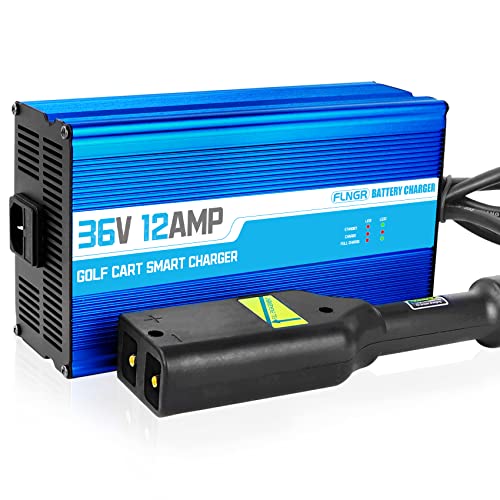
When it comes to golf carts, they represent not just a mode of transport on the greens but also an embodiment of leisure and convenience. However, behind the wheels of these electric marvels lies a rarely discussed hero: the 36 volt golf cart charger. This piece of technology often goes unnoticed until the moment there’s a need for a reliable power source. It’s time to shift our perspective and delve into the intricate world of golf cart chargers, especially those operating at 36 volts. Understanding their significance, functionality, and the nuances surrounding them can profoundly enhance your experience on the course.
1. Understanding Voltage: The Power Behind the Performance
At the core of any electric vehicle is the concept of voltage, which determines the energy output and efficiency. A 36 volt golf cart charger primarily caters to vehicles with a similar voltage battery configuration, commonly found in many standard golf carts. This voltage level strikes a balance between delivering sufficient power while remaining manageable for typical consumer needs. Knowing the voltage is crucial, as mismatches can lead to decreased performance or, worse, damage to the battery system.
2. The Architecture of a 36 Volt Golf Cart Charger
The architecture of these chargers involves various components working harmoniously. The transformer, rectifier, controller, and output stage all play pivotal roles. The transformer steps down the high voltage from the power source to the desired 36 volts, while the rectifier converts the alternating current into direct current—a format your batteries can digest. Understanding this can make users appreciate how much engineering goes into what seems like a simple device.
3. Types of Chargers: Finding the Right Fit
Not all chargers are created equal. Within the domain of 36 volt chargers, one can find a medley of types, each boasting unique benefits. Manual chargers require user supervision, allowing enthusiasts to monitor charging progress. Automatic chargers, on the other hand, possess sophisticated circuits that end charging once batteries are full, preventing overcharging—a common pitfall for many. Smart chargers, with integrated microprocessors, offer the ultimate advance, adjusting the charge based on battery needs, thus extending longevity.
4. Maintenance Matters: Extending the Life of Your Charger
A 36 volt golf cart charger isn’t invincible; it necessitates good care to function optimally. Like any piece of technology, routine maintenance can go a long way. Keep the connections clean and free of corrosion, inspect the power cord for any fraying, and store your charger in a cool, dry area to avoid humidity exposure. Regular checks not only prolong the unit’s life but also assure seamless operation when it’s needed most.
5. Compatibility Concerns: Mismatches and Missteps
Before investing in a new charger, compatibility is crucial. Golf carts may have variations in their battery chemistry—lead-acid versus lithium-ion—and accessing the correct charger is paramount. Lead-acid batteries, while traditional, require constant attention and maintenance, whereas lithium-ion batteries offer a more robust alternative with rapid charging capacities and longevity benefits. Mismatching chargers can lead to battery harm, significantly reducing both performance and lifespan.
6. Troubleshooting: Recognizing Signs of Distress
At times, challenges arise with chargers that are subtle yet telling. Signs such as longer charging times, unusual heating, or intermittent power output can indicate distress. It’s beneficial to maintain a checklist of symptoms which can guide troubleshooting efforts. A systematic approach not only helps in diagnosing issues but can also provide insights into whether a repair is feasible or a replacement is necessary.
7. The Role of Regulatory Standards
Modern chargers are built adhering to stringent regulatory standards. Understanding these standards can provide peace of mind in terms of safety and efficiency. Look for certifications that ensure the charger has undergone rigorous testing—these are often indicative of reliability and performance. Not all chargers are equal in terms of safety; thus, skimming over this detail can lead to unforeseen hassles down the road.
8. Environmental Considerations: Sustainable Charging
As the world shifts towards sustainability, the question of environmental impact arises. Utilizing chargers that are energy efficient or equipped with eco-friendly features can contribute to a greener future. New technologies are being developed that minimize energy waste, and consumers should remain vigilant for options that align with eco-conscious values. Even in the realm of golf carts, every small step towards sustainability is a step worth taking.
9. The Digital Transition: Smart Technologies
With the advent of smart technologies, golf cart chargers are undergoing a transformation. These devices can now connect to mobile apps, enabling users to monitor their charging status remotely. Imagine having the power to check your charger’s performance while enjoying a sunny day on the course or receiving alerts about charging completion. This innovation is reshaping the future of golf cart charging.
10. Conclusion: Maximizing Your Golf Cart Experience
In summary, a 36 volt golf cart charger embodies much more than just a device for power enhancement. It is an essential component that can transform the joy of cruising on the golf course. By understanding its architecture, maintenance practices, compatibility essentials, and the importance of technology, you can significantly elevate your golf cart experience. As you engage with your charger and utilize its capabilities, remember that it supports not just your cart, but an entire culture of leisurely exploration and enjoyment on the greens.










Leave a Comment