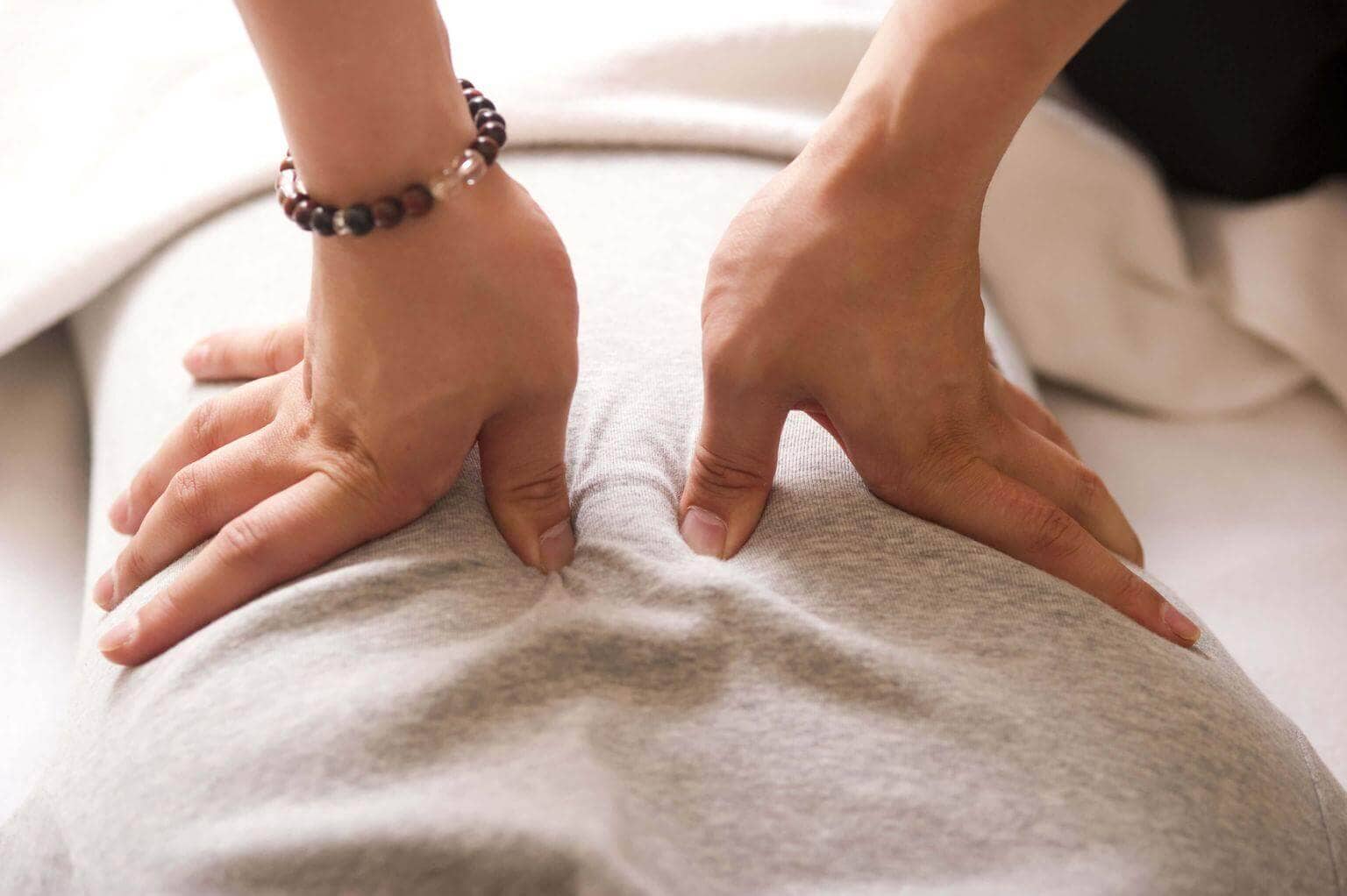
Shiatsu massage, a time-honored practice originating from Japan, has garnered a robust following in various parts of the world. Its appeal lies not merely in the physical relief it provides, but also in the holistic approach that addresses both mind and body, making it a captivating subject for many seekers of wellness. In this article, we will explore the intricate tapestry woven by Shiatsu massage, unraveling its history, techniques, benefits, and the philosophical underpinnings that contribute to its allure.
Historical Foundations
Rooted in ancient Chinese medical philosophies, Shiatsu finds its essence in the understanding of “Qi” (pronounced “chee”), the life force that flows through the body. Historically, Chinese physicians employed pressure techniques to restore balance and health. The practice was later refined in Japan, where it was further intertwined with traditional Japanese medicine, anatomy, and Western therapeutic approaches. As such, Shiatsu is not just a massage technique; it is a discipline that encompasses a rich historical background, enhancing its significance and depth.
Core Principles of Shiatsu
At the heart of Shiatsu lies the concept of energy and its flow within the body. Blockages or imbalances in this energy often lead to physical and emotional ailments. Practitioners utilize a system of meridians—pathways through which Qi travels—to identify areas requiring attention. By applying pressure to specific points along these meridians, Shiatsu aims to facilitate the movement of energy, thereby restoring equilibrium. This systemic understanding highlights the interconnectedness of various bodily systems, shedding light on how emotional states can manifest physically.
Shiatsu Techniques and Methodologies
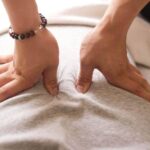
Shiatsu incorporates a variety of techniques, each designed to promote relaxation and healing. The primary method involves using the thumbs, palms, elbows, and even feet to apply rhythmic pressure to the body. Styles may vary among practitioners, but common techniques include:
- Palpation: An initial assessment method where the practitioner feels for tension or blockage in the body.
- Aspects of dynamic stretching: Gentle stretches integrated with pressure to encourage flexibility and relieve tension.
- Rotational movements: Applying circular motions to specific areas, enhancing the flow of energy while simultaneously loosening tight muscles.
- Circular pressing: Implementing pressure in a circular pattern on specific acupressure points to stimulate energy flow.
This array of methodologies allows Shiatsu to address distinctly different discomforts, ranging from muscular tension to emotional distress. Each session is tailored to the individual, further enhancing the bespoke nature of the practice.
The Benefits of Shiatsu Massage
The benefits of Shiatsu extend beyond a mere physical treatment, offering a plethora of advantages for holistic wellbeing. These can be categorized into physical, emotional, and psychological benefits:
- Physical Benefits: Shiatsu alleviates muscle tension, improves circulation, enhances flexibility, and boosts immune function. The deep pressure often leads to tissue relaxation and aids in detoxification by promoting lymphatic drainage.
- Emotional Benefits: This form of massage fosters deep relaxation, reducing anxiety and stress while promoting a sense of tranquility. For those battling emotional turmoil, Shiatsu can facilitate a release of pent-up emotions, leading to a cathartic experience.
- Psychological Benefits: Engaging in regular Shiatsu sessions can contribute to improved mental clarity and enhanced emotional resilience. The intertwining of mind and body in this practice ushers individuals towards introspection and self-awareness.
Shiatsu as a Form of Preventative Care
A striking aspect of Shiatsu is its emphasis on prevention rather than just treatment. Engaging in regular sessions can proactively take care of the body’s needs, enhancing overall health and longevity. The intricate understanding of one’s body allows practitioners to recognize early signs of stress or imbalance, providing an opportunity for intervention before issues escalate. This preventative approach is increasingly sought after in today’s fast-paced world, where stress and tension can accumulate unrecognized.
Philosophical Underpinnings of Shiatsu
Shiatsu is steeped in philosophies that transcend the physical realm. The practice is entrenched in concepts of harmony, balance, and natural healing. Drawing parallels with mind-body modalities, it reflects the belief that physical ailments cannot be divorced from psychological states. This holistic perspective invites individuals to reflect on their lifestyles, stressors, and emotional wellbeing, thus fostering a more comprehensive self-care ritual. Many practitioners view Shiatsu as a transformative experience that offers profound insights into personal health, encouraging deeper connections with oneself.
Conclusion
Shiatsu massage is more than just a technique—it is a gateway to understanding oneself on multiple levels. Its historical roots and philosophical foundations contribute to a rich, compelling narrative that continues to fascinate those seeking wellness in an increasingly hectic world. The unique blend of physical and emotional benefits makes Shiatsu an indispensable part of holistic health practices. As awareness of this ancient art grows, so too does the appreciation for the nuanced relationship between body, mind, and spirit that Shiatsu represents. The simple act of receiving and giving Shiatsu can unveil layers of complexity within the self, making it a captivating journey worth exploring.







Leave a Comment