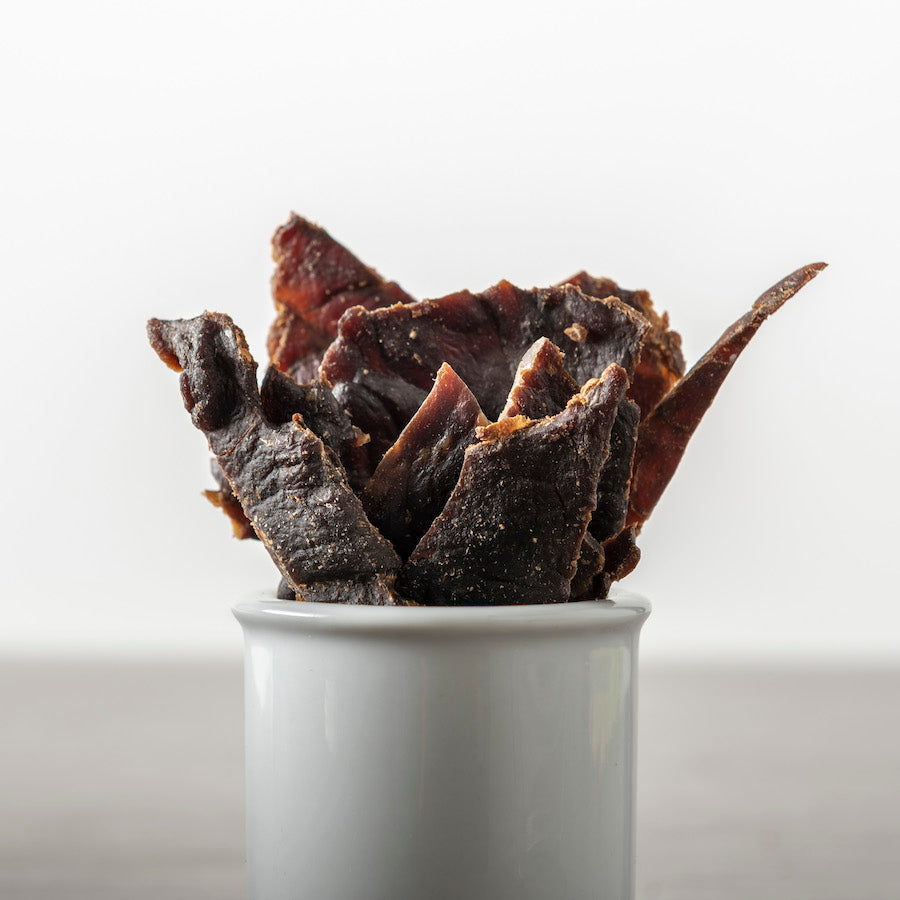
Jerky, a treasured snack, has gained a prominent place in the culinary world, beloved by many for its convenience and rich flavors. However, a common observation surfaces: why does jerky command such a hefty price tag? This inquiry often evokes varying responses, and beneath its surface lies a complex tapestry of factors that shape the economics of this dried delicacy. As we explore the myriad reasons behind the cost of jerky, we will delve into its production process, quality considerations, and broader market dynamics, uncovering the intricate web that affects its pricing.
1. Raw Material Costs
The foundation of any great jerky is its meat, typically beef, turkey, or even exotic varieties like bison or venison. The caliber of the meat significantly influences the price. High-quality, grass-fed, or organic meats often come with increased production costs due to factors like animal welfare, feed quality, and sustainable farming practices. On the other hand, conventional meats may be cheaper, yet they often lack the distinctive flavors and textures that consumers seek. The demand for high-quality ingredients not only raises the cost of raw materials but also aligns with a growing consumer preference for ethically sourced and premium products.
2. Time-Intensive Production Process
Creating jerky is as much an art as it is a science. The meticulous process involves various steps: marinating, seasoning, drying, and packaging. Each of these stages requires considerable time and attention. Marinating alone can take several hours, while the drying process usually lasts between six to twelve hours, depending on the thickness of the meat and desired texture. This time commitment stands in stark contrast to more readily available snack options, which can be mass-produced in mere moments. Handmade or artisanal jerky, characterized by unique flavors and local ingredients, often carries a premium price tag due to the labor-intensive techniques employed.
3. Flavor Innovations and Variety
The jerky market has evolved dramatically in recent years, with companies continually crafting new and exciting flavor profiles. From sweet teriyaki to spicy sriracha, the increasing variety comes from the infusion of gourmet ingredients, further augmenting production costs. Unlike traditional flavors, which may utilize straightforward spices and seasonings, these innovative recipes frequently require specialty ingredients, contributing to a higher price point. Furthermore, small-batch producers, in their quest for uniqueness, take additional risks in their flavor experiments, often reflecting their passion and creativity in the final product. This inventive spirit, while exciting, also can increase the cost of production.
4. Packaging and Preservation
Packaging plays a crucial role in determining jerky’s price. Effective packaging not only preserves freshness and flavor but also stands out on retail shelves. Higher-quality packaging materials that offer airtight seals or resealable options frequently come at a premium. Additionally, vacuum sealing and nitrogen flushing processes used to enhance shelf life are both more costly than traditional methods. As jerky serves a dual purpose of satisfying cravings and providing convenience for on-the-go consumers, manufacturers invest in durable yet attractive packaging that reflects the premium nature of the product.
5. Supply Chain Considerations
The jerky supply chain, like many food products, is affected by broader economic forces. Factors such as transportation costs, seasonal meat price fluctuations, and import/export tariffs can all influence product pricing. For instance, a rise in fuel prices can directly affect the shipping costs of raw materials and finished products. Furthermore, when natural disasters impact livestock or feed crops, producers may face increased prices that are inevitably passed along to consumers. This volatility creates an intricate network of dependencies, making jerky prices susceptible to variations beyond the immediate control of the manufacturers.
6. Health Conscious Choices
As awareness of nutrition and healthy eating escalates, the market for jerky has shifted to encompass more health-conscious offerings. Consumers increasingly seek high-protein, low-carb, or gluten-free options, prompting manufacturers to cater to these demands. While these health-oriented products often command higher prices due to premium ingredient sourcing and specialized production protocols, they also reflect a broader trend towards mindful consumption. As brands strive to provide transparency about their ingredients and health benefits, this dedication to quality culminates in elevated price points.
7. Marketplace Competition
The bustling jerky market has seen an influx of brands vying for consumer attention. Major players dominate the landscape while small businesses and artisanal producers carve out their niches. In such a competitive environment, pricing strategies become pivotal. While larger companies benefit from economies of scale, smaller brands often position themselves as premium options, justifying a higher price through superior quality, innovative flavors, and ethical sourcing. This stratification creates a tiered market where consumer choice directly impacts perceived value and pricing.
In conclusion, the seemingly steep cost of jerky is influenced by a multitude of factors ranging from the quality of raw materials to the intricacies of production and packaging. As consumers continue to gravitate towards gourmet experiences and health-conscious options, the jerky market reflects these trends, resulting in products that are not only flavorful but also rich in cultural significance. The journey of jerky, from quality meat selection to innovative flavor profiles, creates an allure that transcends its price tag. Ultimately, understanding the multifaceted economics behind jerky pricing can deepen the appreciation for this storied snack, transforming it from a mere indulgence into a celebrated gastronomic experience.










Leave a Comment