Gas leaks are an invisible menace, often lurking within the confines of our homes and businesses. The very air we breathe can betray us, manifesting dangerous situations that may go unnoticed until it’s too late. Understanding the signs of a gas leak becomes paramount, not just for safety, but for peace of mind. The following is a compendium of the telltale indicators that could suggest the presence of a gas leak, inviting you to adopt a vigilant perspective on this critical safety concern.
First and foremost, the most conspicuous and alarming sign is an unmistakable odor. Natural gas, in its pure form, is odorless and colorless. To mitigate the risks associated with leaks, a chemical called mercaptan is added, which imparts a distinct, sulfur-like smell reminiscent of rotten eggs. If you detect this unpleasant scent wafting through your living space, it is imperative to act promptly. Open windows, evacuate the area, and do not ignite any flames until the situation has been assessed.
Next, auditory clues can also betray the presence of a gas leak. A persistent hissing or whistling sound emanating from gas lines or appliances is often indicative of escaping gas. This sound, subtle yet disconcerting, prompts immediate investigation. If you hear such noises near your gas appliances, exercise caution: turn off the valve if it is safe to do so and evacuate while notifying the authorities.
Equally intriguing is the potential for physical symptoms within individuals. Prolonged exposure to natural gas can lead to a host of symptoms that often mimic common ailments. These include headaches, dizziness, nausea, and even fatigue. If you or your loved ones experience these symptoms consistently within your home, it might necessitate a deeper investigation into the integrity of your gas lines or appliances. It is particularly vital to note that these symptoms can escalate with continued exposure and can culminate in life-threatening situations if a leak is present.
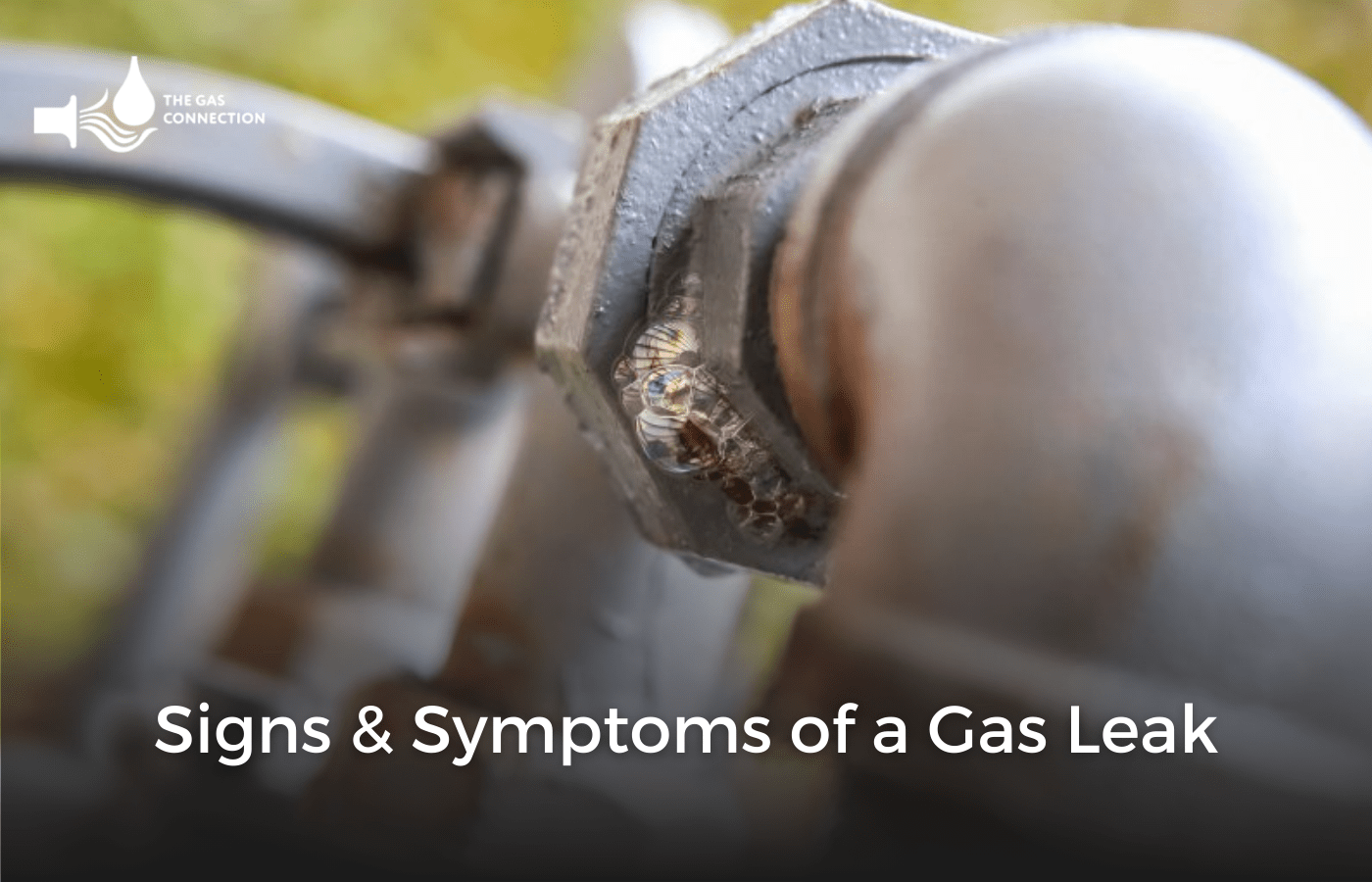
In addition to odor and sound, visual indicators can serve as harbingers of a gas leak. Pay attention to your surroundings. Look for dead or discolored vegetation near gas lines or appliances. When gas escapes underground, it can kill nearby plant life, leaving stark patches of barren ground as a warning signal. Furthermore, if you spot bubbles forming in standing water around appliances or in your yard, it might suggest the presence of leaking gas rising to the surface.
Touch can also play a role in detecting gas leaks, though it is less regular. Ground instability in the vicinity of gas lines may involve unusual patches of soil or cracks in your foundation. If natural gas escapes into the ground, it can create pockets that destabilize the earth above. As the ground shifts, it can compromise structural integrity, resulting in hazardous conditions that extend beyond the immediate vicinity of the leak.
Moreover, unexpected fluctuations in gas bills can signal a slow but steady leak. If you observe a notable spike in your monthly expenditures without a corresponding increase in usage, it may be time for an audit of your system. Tracking these anomalies can provide insights into potential issues that may otherwise go ignored until they evolve into serious threats.
On a broader scale, consider the context of your appliances. Outdated or poorly maintained appliances can become prime culprits for gas leaks. Regular inspections and servicing of furnaces, water heaters, and stovetops can ensure optimal performance. If your appliance shows signs of corrosion, rust, or unusual stains, this may indicate a problem worth investigating further.
Additionally, be aware of the role that wildlife can play in this hazardous equation. Rodents, in particular, have an unfortunate propensity for nibbling on gas lines. Chewed or damaged lines may create a pathway for gas to escape. By keeping a vigilant eye on both your property and its critter inhabitants, you can minimize the risk of a leak going undetected.
Addressing a potential gas leak should always include preventive measures. Installing carbon monoxide detectors throughout your home offers an additional layer of safety. This odorless and colorless gas can seep in as a result of incomplete combustion, and being prepared allows you to respond rapidly to any arising threats.
In conclusion, developing a keen awareness of the signs of a gas leak shifts one’s perspective on safety within the home. From auditory cues to visual anomalies, and from shifts in health to fluctuations in expenses, these signs paint a compelling picture of vigilance. By attuning your senses to the subtle variations in your environment, you arm yourself with the knowledge necessary to act decisively. Should you ever suspect a gas leak, do not hesitate; safety first is not a mere slogan, but a vital practice. Being proactive and well-informed can ensure your household remains a sanctuary, free from the dangers of gas leaks. Remember: when in doubt, consult with professionals equipped to handle these potentially perilous situations.










Leave a Comment