Diazepam, a medication classified as a benzodiazepine, is primarily employed for its anxiolytic, muscle relaxant, and anticonvulsant properties. Its use ranges from the treatment of anxiety disorders to the management of seizures and muscle spasms. However, a question frequently arises among users, healthcare professionals, and those concerned about drug testing: “How long does diazepam stay in your system?” This inquiry extends beyond mere curiosity; it encapsulates a deeper understanding of both pharmacokinetics and the psychological attachment individuals have to medications. Delving into this subject can unveil fascinating nuances about the drug’s lifespan in the human body and the factors influencing its duration of effects.
Understanding the pharmacokinetics of diazepam—the study of how the body absorbs, distributes, metabolizes, and excretes a substance—is crucial for addressing this question. The half-life of diazepam can vary significantly from person to person, influenced by various factors including physiological characteristics, duration of use, and the context in which it is taken.
1. The Half-Life of Diazepam
The half-life of a drug is a key factor in determining how long it stays in the system. For diazepam, the half-life typically ranges between 20 to 50 hours, with some reports extending even longer. This means that it can take anywhere from several days to weeks for the medication to be wholly eliminated from the body, depending on individual metabolism rates. Its long half-life is one of the reasons it’s favored for chronic conditions, allowing for sustained therapeutic effects.
2. Factors Affecting Diazepam Metabolism
Several intrinsic and extrinsic factors play a pivotal role in the metabolism of diazepam:
- Age: As individuals age, their liver function may decline, impacting the metabolism of diazepam. Older adults may experience prolonged effects and slower clearance rates.
- Weight and Body Composition: Body fat may influence the storage and release of diazepam. Individuals with higher body fat percentages might store more diazepam, leading to prolonged effects.
- Liver Function: The liver is the primary organ for metabolizing diazepam. Liver impairment, whether due to disease or genetic predisposition, can significantly extend the duration of the drug’s presence in the system.
- Frequency of Use: Chronic use can lead to accumulation of the drug in the body, subsequently prolonging its detectable timeframe. Conversely, occasional users may clear the drug more rapidly.
- Other Medications: Concurrent use of other medications may interfere with diazepam metabolism, either inhibiting or enhancing its breakdown and elimination.
3. Detection Windows in Various Tests
Those concerned about drug testing should be aware of how long diazepam can be detected in various bodily fluids:
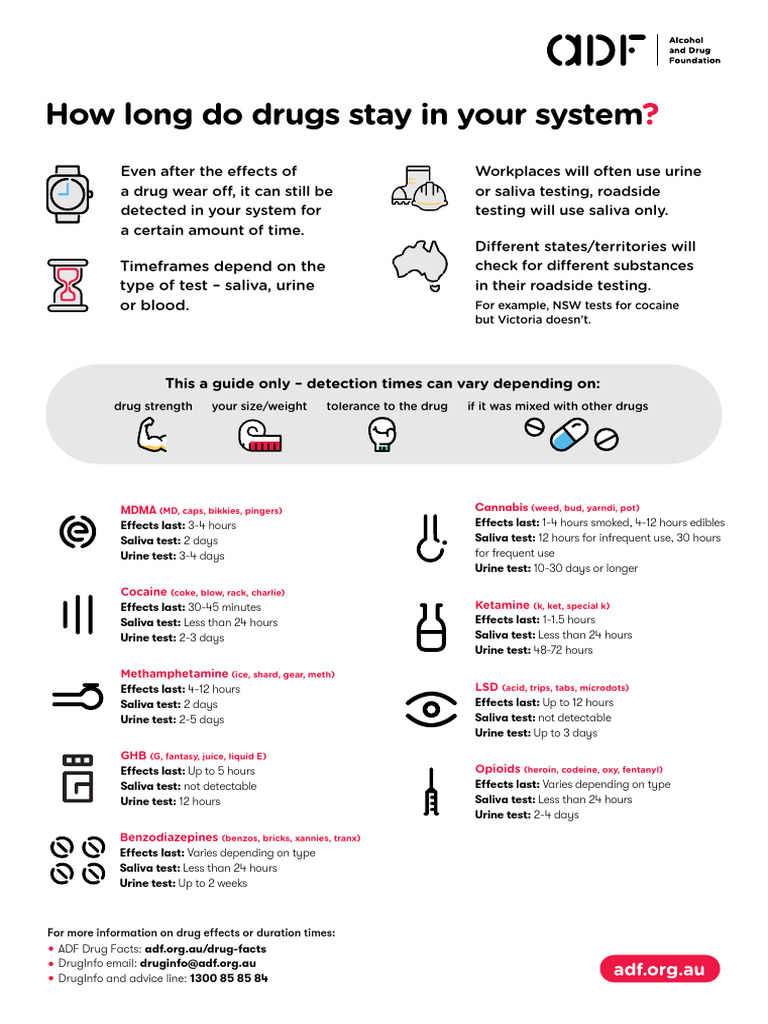
- Urine Tests: Diazepam metabolites can typically be detected in urine for 1 to 6 weeks after last use, depending on factors such as dosage and frequency.
- Blood Tests: In blood, diazepam may be detectable for up to 48 hours following consumption. However, this timeframe is considerably shorter compared to urine testing.
- Saliva Tests: Detection in saliva is generally limited, with diazepam often clear within 1 to 3 days post-administration.
- Hair Tests: Hair follicles can retain drug traces for much longer periods, potentially revealing diazepam use for up to 90 days, although this method is less common for instances of recent use.
4. The Psychological and Social Dimensions
While the pharmacokinetics and detection of diazepam provide a scientific framework for understanding how long it remains in the system, there are psychological and social dimensions that enrich this discourse. The reliance on diazepam and similar substances often stems from societal pressures, mental health issues, or environmental stressors. This dependence can create layers of fascination, intertwining the effects of the drug with the emotional states of individuals.
Furthermore, the stigma surrounding the use of benzodiazepines can exacerbate apprehensions, complicating users’ relationships with medication. This complexity drives curiosity about the drug’s duration in the system—users often want to know how soon they might return to baseline functioning or possibly undergo drug screening.
5. Conclusion
Diazepam remains in the human system for a variable duration, influenced by an intricate interplay of metabolic factors, usage frequency, and individual physiology. Its long half-life, along with the various testing methods available, serves as a poignant reminder of the duality inherent in this medication—its therapeutic potential against the backdrop of detection and potential misuse. As fascination with diazepam endures, it sparks ongoing dialogues surrounding pharmacology, mental health, and societal perceptions of medication. By acknowledging these dimensions, we can begin to unravel not just the science of diazepam, but the profound implications of drug use in our lives.










Leave a Comment