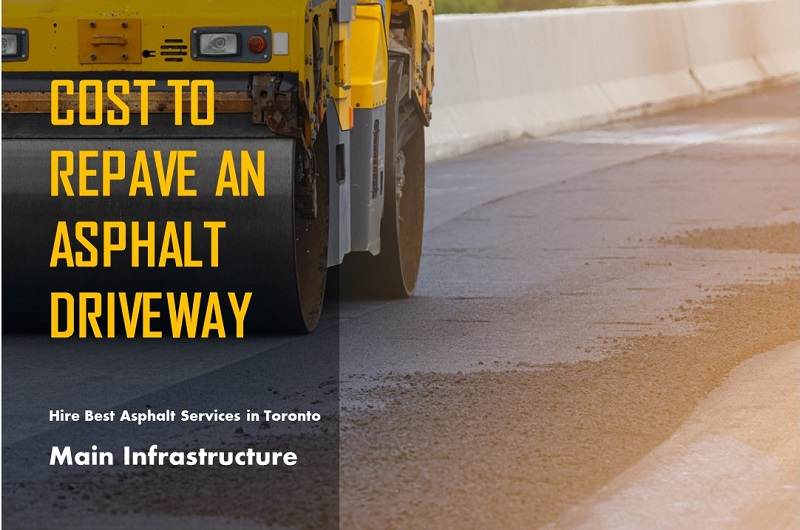
Have you ever gazed upon your drive and contemplated, “Is it time to revive my blacktop driveway?” A seemingly innocuous surface beneath our tires, driveways endure much wear and tear from the elements, vehicles, and time itself. Repaving a blacktop driveway is no trivial endeavor; it’s a decision that can carry considerable financial implications. The question must be posed: how much does it truly cost to repave a blacktop driveway, and what additional challenges might arise? In this comprehensive guide, we delve into the myriad factors that influence repaving costs and the potential complications homeowners may face along the way.
1. Understanding the Basics of Blacktop Driveways
To truly appreciate the cost implications of repaving, one must first understand what a blacktop driveway is. Made primarily from asphalt, blacktop is an attractive, durable, and relatively low-maintenance choice for many homeowners. Over time, however, the surface can degrade, presenting a range of issues from cracks to disintegration. Identifying these signs is your first step in determining whether repaving is necessary.
2. Marking the Signs that Repaving is Needed
Cracks, potholes, and surface wear are telltale indicators that your driveway may require rejuvenation. Minor cracks can often be sealed, but extensive damage may warrant a full repaving. Keep an eye out for pooling water, which can be a concern indicating inadequate drainage—another signal that your driveway might need attention.
3. The Average Cost of Repaving
The cost of repaving a blacktop driveway can vary widely, influenced by several factors. Generally, homeowners can expect to pay between $2 to $5 per square foot, depending on the scope and scale of the project. For an average-sized driveway of approximately 600 square feet, this translates to a potential expenditure of $1,200 to $3,000. However, this is merely a ballpark figure. The total cost can balloon based on various considerations.
4. Factors Influencing Cost
- Size of the Driveway: The most significant determinant of pricing is the area needing repaving. A larger driveway naturally incurs a higher cost.
- Extent of Damage: If your driveway exhibits extensive wear, additional preparatory work—like patching and leveling—will impact overall costs.
- Geographic Location: Depending on your locale, the price of labor and materials can significantly sway the cost. Urban areas typically have higher rates than rural settings.
- Material Quality: Opting for high-quality asphalt can raise costs, but it may also extend the longevity of your driveway.
- Labor Costs: Hiring professional contractors can be expensive, but the benefits of expertise and proper installation can save you from future headaches.
- Permits and Regulations: In certain jurisdictions, local building codes may require permits for repaving projects, adding an extra layer of expense.
5. DIY vs. Professional Repaving
As homeowners contemplate their options, a radical thought may surface: “Can I repave my driveway myself?” With the right tools and a little expertise, some may choose the DIY route, potentially saving significant money. However, it is essential to weigh the pros and cons. While DIY projects can reduce labor costs, they also come with risks associated with less-than-ideal execution, which may lead to future reparations. Professionals have the requisite experience, tools, and know-how to ensure a durable finish, which often justifies their expense.
6. The Hidden Costs of Neglect
Though it may seem enticing to delay or bypass driveway repaving, one must consider the long-term consequences of neglect. Potholes can worsen, leading to further damage to vehicles, and untreated cracks can expand due to water intrusion, increasing future repair costs exponentially. Therefore, addressing issues sooner rather than later can save both money and frustration.
7. Planning Your Budget
When preparing to repave a blacktop driveway, strategic planning can alleviate financial strain. Acquire multiple quotes and assess contractor reputations. It’s also prudent to set aside a reserve budget for any unexpected complications that may arise during the project.
8. Post-Repaving Care
After successfully repaving your driveway, maintaining its condition becomes paramount. Regular sealcoating—typically every 1 to 3 years—can extend the lifespan of your investment and preserve its aesthetic appeal. Promptly addressing any emerging cracks or damage will fortify your driveway against the elements.
Conclusion
Deciding to repave a blacktop driveway is akin to nurturing a long-term relationship—you must invest time, effort, and funds for it to thrive. While costs can range widely based on various factors, understanding these elements equips homeowners with the knowledge required to make informed decisions. Armed with this knowledge, you’re now poised to tackle the daunting but rewarding experience of reviving your driveway. So, the next time you glance at that weathered surface, you can approach the task ahead with confidence and clarity, knowing it’s more than just a drive, but an essential aspect of your home that deserves proper attention.









Leave a Comment