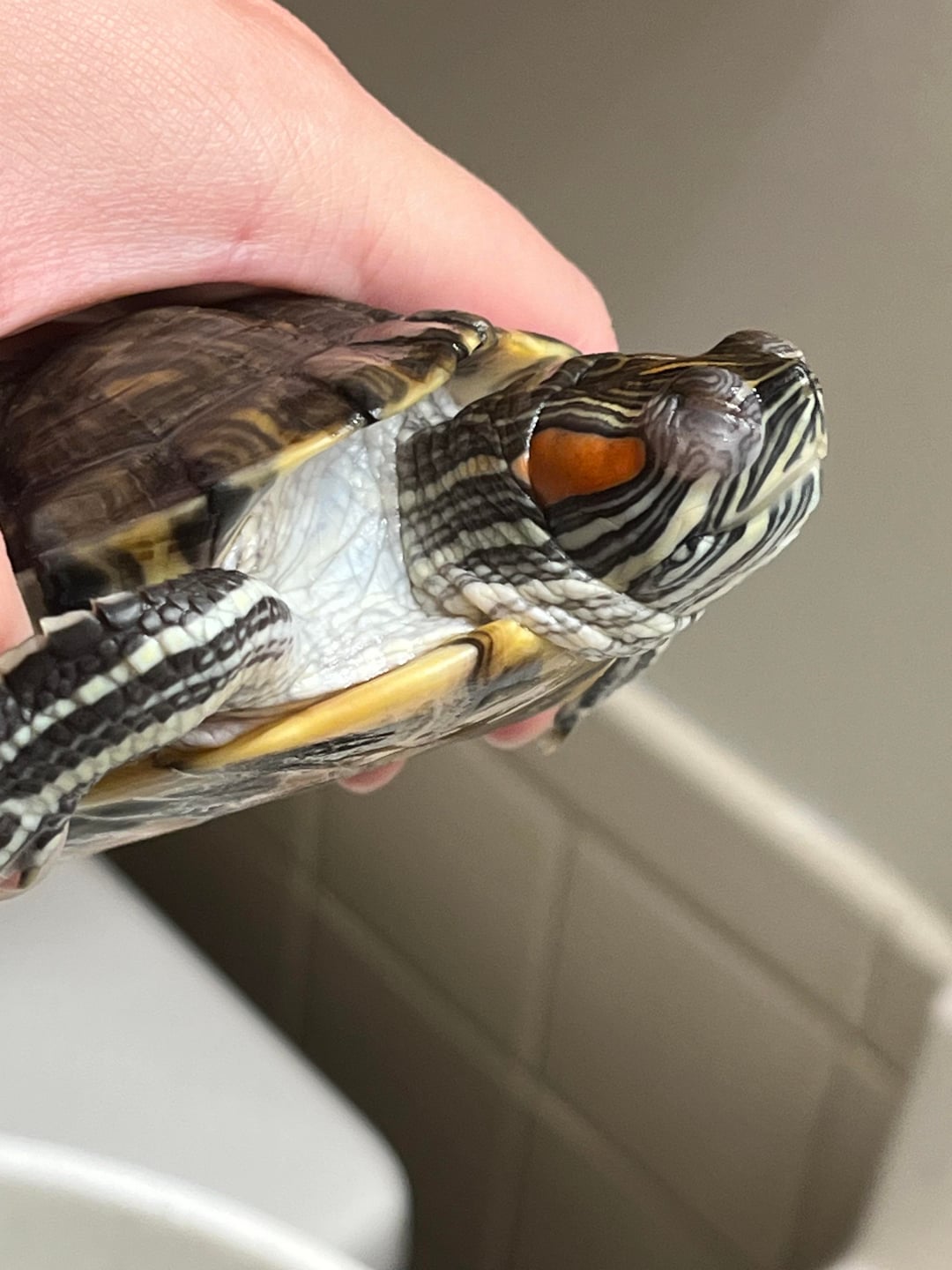
Red-eared slider turtles are often enjoyed as captivating pets due to their vibrant appearance and relatively easy care. However, like any pet, they may occasionally experience health issues. One common concern among turtle owners is the swelling of the eyes, a condition that can indicate a myriad of underlying problems. Understanding why your red-eared slider’s eyes are swollen is essential for prompt treatment and maintaining your pet’s well-being. This article delves into the potential causes, symptoms, diagnosis, and treatment options related to eye swelling in these delightful reptiles.
1. Understanding Eye Swelling in Turtles
Two principal types of eye swelling can affect red-eared sliders: unilateral (one eye) and bilateral (both eyes). Swollen eyes may present alongside other symptoms, such as excessive tearing, discharge, or lethargy, and can signify various health issues, some of which may be quite serious. Observing both behavioral and physical changes in your turtle is pivotal in ascertaining the severity of the situation.
2. Potential Causes of Eye Swelling
There are multiple reasons behind swollen eyes in red-eared slider turtles:
- Infections: Bacterial, viral, or fungal infections can lead to significant inflammation and swelling. Such infections may arise from suboptimal tank conditions or direct exposure to pathogens.
- Poor Water Quality: Turtles thrive in clean, well-maintained environments. Contaminated water can cause irritation and infections, resulting in swollen eyes, among other health issues. Regular water testing and maintenance are crucial.
- Nutritional Deficiencies: An unbalanced diet lacking in essential vitamins and minerals can lead to various health problems, including swollen eyes. Vitamins A and E, in particular, are pivotal for eye health and overall vitality.
- Eye Injuries: Trauma from rough materials in the habitat, interactions with other pets, or even self-inflicted injuries can result in localized swelling. Observing your turtle’s interactions can help prevent such injuries.
- Respiratory Issues: Turtles with respiratory infections may exhibit eye swelling. These infections could be linked to inadequate environmental temperatures or improper humidity levels, underscoring the importance of creating a suitable habitat.
- Parasitic Infestations: Parasites can affect a turtle’s health both internally and externally. Depending on the severity of the infestation, swollen eyes can occur in conjunction with other symptoms.
3. Symptoms to Watch For
Identifying eye swelling in your red-eared slider is only the first step. Observing accompanying symptoms is critical for proper diagnosis and treatment. Symptoms may include:
- Excessive mucus or discharge around the eyes
- Redness or inflammation of the conjunctiva
- Lethargy and decreased activity
- Loss of appetite or reluctance to eat
- Behavioral changes, such as hiding or reduced interaction
- Changes in swimming patterns, such as floating or difficulty diving
Recognizing these signs early can significantly aid in addressing health issues before they escalate.
4. Seeking Veterinary Care
If you notice any signs of swollen eyes in your red-eared slider, consultation with a qualified veterinarian specializing in reptiles is advisable. During an examination, the veterinarian may conduct a thorough physical assessment, inquire about diet, water quality, and habitat conditions, and potentially run tests to ascertain the root cause of the swelling. Their expertise can guide you towards effective treatment protocols tailored to your turtle’s specific condition.
5. Treatment Options
The treatment for swollen eyes in turtles will vary based on the underlying cause:
- Medications: If an infection is diagnosed, your veterinarian may prescribe antibiotics or antifungal medications. Anti-inflammatories may also be suggested to alleviate swelling and discomfort.
- Improved Habitat Conditions: Ensuring that your turtle’s environment is clean, adequately heated, and appropriately lit can prevent further complications and promote recovery.
- Dietary Changes: Introducing a varied diet rich in necessary vitamins and nutrients can ameliorate deficiencies. Offering foods high in Vitamin A, such as leafy greens, can be especially beneficial.
- Surgical Intervention: In cases of severe injury or abscess formation, surgical options may be explored to remove infected tissue and promote healing.
6. Prevention Tips
Preventing eye swelling in your red-eared slider involves proactive care. Here are some essential prevention tips:
- Maintain Clean Water: Perform regular water changes and monitor water quality to minimize the risk of infections.
- Provide a Balanced Diet: Ensure that your turtle receives a well-rounded diet, incorporating high-quality pelleted foods, leafy greens, and occasional protein sources to cover all nutritional bases.
- Optimize Habitat Conditions: Regularly check the temperature and humidity levels of the habitat, and ensure that UVB lighting is adequate for optimal health.
- Monitor Interactions: Be cautious about your turtle’s interactions, particularly with other pets, to prevent injuries that could lead to inflammation.
In conclusion, swollen eyes in red-eared slider turtles can arise from various causes, each demanding careful observation and appropriate action. By understanding the potential issues, seeking timely veterinary care, and implementing diligent preventive measures, pet owners can ensure a healthier, happier existence for their aquatic companions. If you notice any concerning symptoms, act swiftly and consult a veterinarian to provide the best care for your beloved turtle.









Leave a Comment