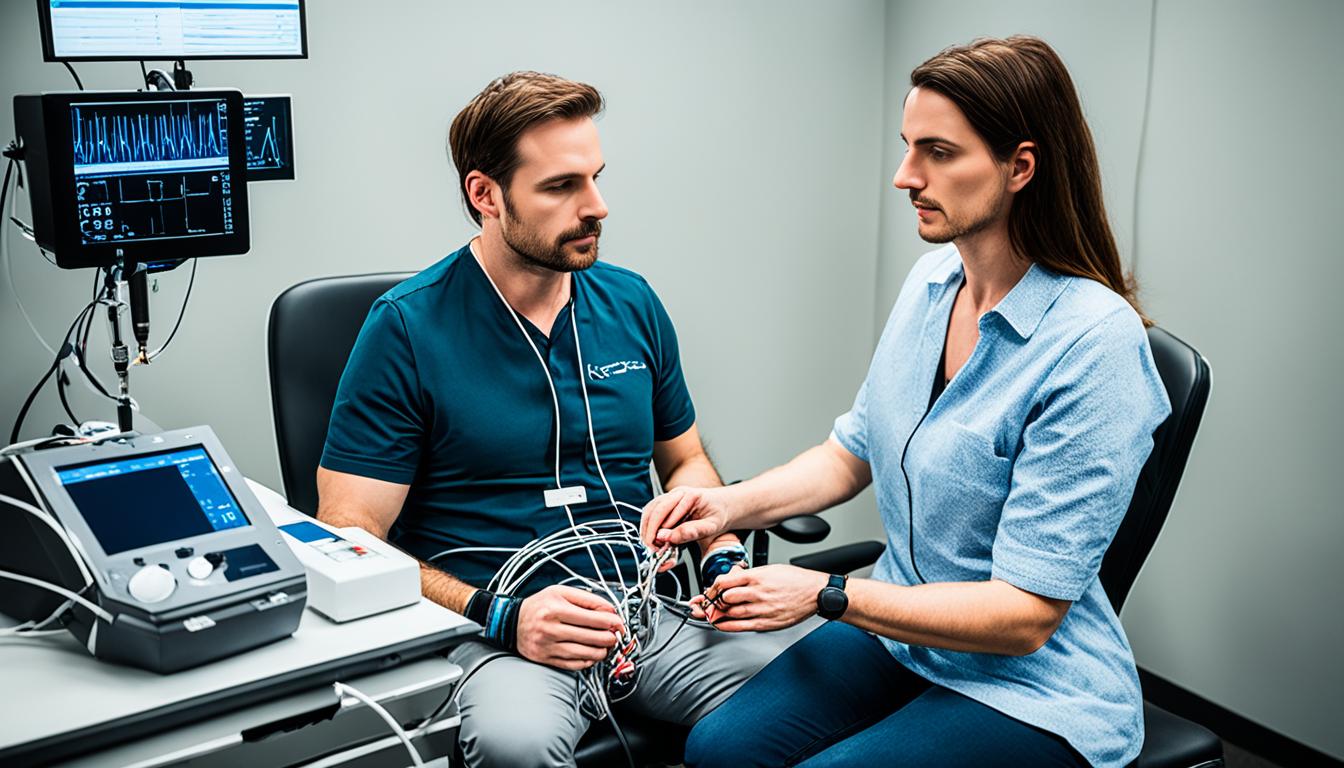
In an age where truth often finds itself shrouded in ambiguity, the polygraph test—often maligned and yet revered—stands as a bastion of investigative potential. This mechanical oracle, commonly known as the lie detector, probes the intricate interplay between physiological responses and veracity. But the question that looms large in the minds of both seekers and skeptics is: how much does a polygraph test actually cost? In this captivating exploration, we will dissect the multifaceted factors that influence polygraph fees, peel back the layers of the industry, and perhaps instill a newfound perspective on the value of truth.
To begin, it is vital to understand that the cost of a polygraph test can fluctuate dramatically based on a multitude of considerations. The realm of polygraphy, though steeped in science, is also one where pricing structures can be surprisingly nebulous. On average, one might expect to pay anywhere from $400 to $800 for a standard test. However, let’s delve deeper into the layers that contribute to this pricing variation.
1. Geographic Location
Your geographical location plays a paramount role in determining the price. Urban centers, where demand for polygraph services is high, may command higher fees due to increased overhead costs. In contrast, smaller towns or less populous regions may offer more competitive pricing. Thus, it is worth exploring local providers and their fee structures to uncover potential savings.
2. Type of Test
Not all polygraph tests are created equal. The nature of the examination significantly impacts the cost. For instance, a standard pre-employment screening test typically leans towards the lower end of the price spectrum, around $400 to $600. However, complex or specialized examinations, which might delve into criminal investigations or intricate personal disputes, can soar to $800 or more. Each type of test requires varying levels of resources, time, and expertise, thus influencing the fee.
3. Experience and Credentials of the Examiner
Another pivotal factor is the experience and qualifications of the examiner. A seasoned polygraph expert, replete with an abundance of credentials and a stellar reputation, may justifiably charge a premium for their services. The adage “you get what you pay for” holds especially true in this field. While it may be tempting to opt for a less expensive option, the reliability and accuracy of the test hinge significantly on the proficiency of the examiner.
4. Additional Costs and Fees
The initial price tag of a polygraph test often belies the full scope of potential expenses. Numerous ancillary costs may emerge, including travel fees, administrative charges, or costs associated with the documentation of results. In certain cases, follow-up sessions or additional tests may be necessitated, thereby inflating the overall expenditure. Thus, prospective clients should inquire about all potential fees to avoid unwelcome surprises.
5. The Setting and Environment of the Test
The environment in which a polygraph test is conducted can also influence costs. While some examiners may offer to conduct tests in clients’ homes or office spaces, this flexibility may come with an added fee. Conversely, tests conducted in a professional setting equipped with the latest technology might incur a higher price due to the infrastructure required to maintain a conducive environment for accuracy.
6. Insurance and Payment Plans
As polygraph testing can emerge during various scenarios—ranging from legal proceedings to employment screenings—understanding the nuances of insurance coverage is equally important. In certain cases, medical or legal expenses related to the polygraph may be reimbursable. Additionally, some practitioners may offer flexible payment plans, allowing clients to navigate the financial burden with greater ease.
7. The Intangible Value of Truth
When pondering the cost of a polygraph test, one must also consider the intangible value associated with the quest for truth. In contexts where the stakes are high, such as criminal investigations or personal relationships plagued by doubt, the emotional and psychological costs of uncertainty can far outweigh the financial outlay of a polygraph examination. The ability of a polygraph to foster clarity and trust can often translate into profound life-changing outcomes, a concept that may shift the perspective on its financial implications.
Moreover, in an era where integrity is constantly challenged, the use of polygraphs may serve not merely as a tool for truth verification but also as an avenue for building stronger interpersonal relationships. Understanding this intricate dynamic can provide a richer context for the practical implications of polygraph testing.
In summation, the journey to uncovering the question, “How much is a polygraph test?” is laden with complexities and subtleties. From the geographic and contextual influences on pricing to the psychological and emotional ramifications of the results, the cost of truth is a tapestry woven with numerous threads. As you ponder the value of such an examination, consider not just the monetary aspects but also the profound impact that the pursuit of honesty can have on both individual lives and broader societal relations. Ultimately, the investment in a polygraph test may indeed offer returns that transcend mere dollars and cents, preserving legacies of truth and trust for the future.










Leave a Comment