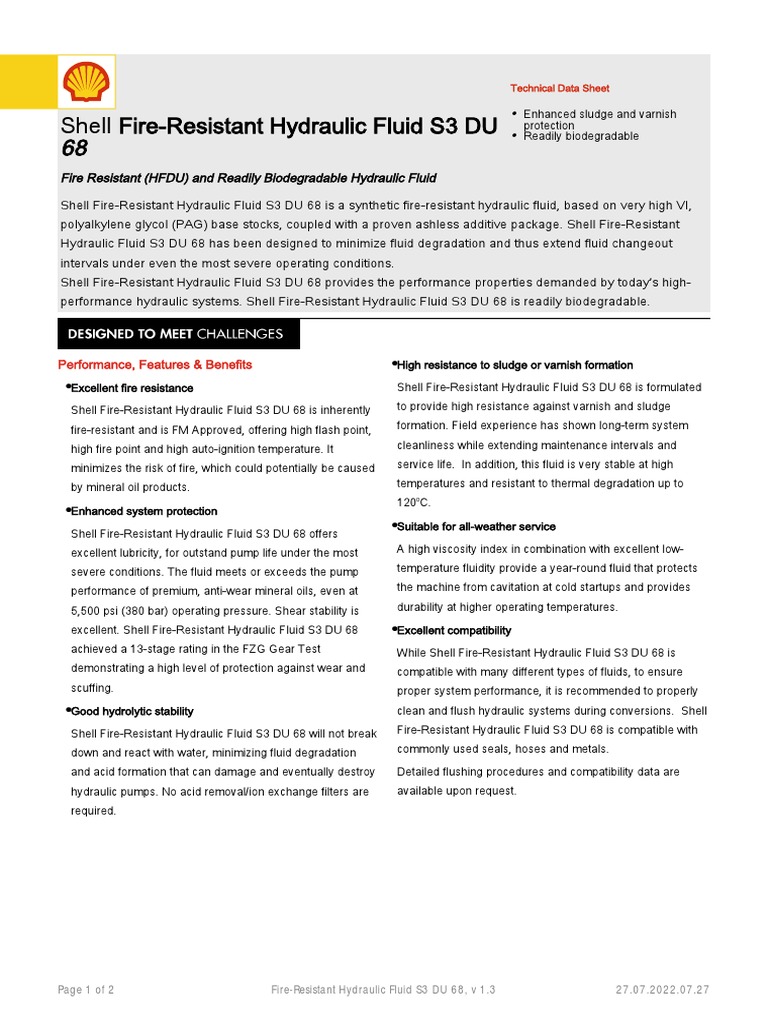
Hydraulic systems are ubiquitous in our modern world, powering everything from construction equipment to aircraft. But how much do we really know about the fluids that keep these machines functioning? One of the most critical questions that often arises is: Is hydraulic fluid flammable? This inquiry unfurls a tapestry of possibilities, posing both a playful riddle and a genuine safety concern for those who operate or are merely curious about hydraulic systems.
To unravel this query, it’s essential to delve into what hydraulic fluid is, its components, and how these contribute to its potential flammability. Hydraulic fluids—primarily designed to transmit power—can vary widely in composition. Typically, they consist of a base oil along with additivities designed to enhance performance, such as anti-wear agents, rust inhibitors, and emulsifiers. A closer consideration of these substances will lead us to the heart of the combustibility question.
Understanding Hydraulic Fluids
Hydraulic fluids can be grouped into two primary categories: mineral-based and water-based. Mineral oils, derived from refined crude oil, make up a significant proportion of hydraulic fluids in use. These fluids have well-documented properties, not the least of which is their flammability. When exposed to flames or high temperatures, many mineral oils can ignite, leading to potentially catastrophic consequences.
On the other hand, water-based hydraulic fluids—such as water-glycol or water-oil emulsions—are formulated to be less flammable. However, this does not imply they are completely immune to ignition. In particular, water-glycol mixtures can still pose a risk under certain conditions, especially when fluid temperatures exceed safe thresholds.
The Flammability Dichotomy
Moreover, the question of whether hydraulic fluid is flammable isn’t a black-and-white issue. Fluid properties can shift dramatically based on temperature and concentration. Many mineral oils, for example, have flash points (the lowest temperature at which they vaporize to form an ignitable mixture in air) that fall well below typical operational temperatures of hydraulic systems. When a fluid exhibits a flash point of approximately 100°F (37.8°C) or lower, it can easily ignite if introduced to a spark or flame in operational settings. This is where meticulous temperature management becomes paramount.
Factors Influencing Flammability
Several factors contribute to the flammability of hydraulic fluids:
- Temperature: As already noted, increased temperatures can elevate the risk. Operators must diligently monitor their systems to avoid exceeding critical thresholds.
- Contamination: The introduction of foreign substances can significantly alter the chemical makeup of hydraulic fluid. For instance, the presence of water can lower the viscosity and potentially increase flammability if the fluid is primarily mineral-based.
- Pressure: High-pressure environments can lead to the formation of flammable mist or vapor. With the right conditions, this can escalate quickly into a dangerous situation.
- Exposure to heat sources: Unchecked hydraulic lines and components can become extremely hot. Proximity to electrical sparks, hot surfaces, or even direct sunlight can trigger ignition in flammable hydraulic fluids.
Mitigating Risks
Understanding the nuances of hydraulic fluid flammability is imperative. Operators in industries that use hydraulic systems must take several pragmatic steps to mitigate the associated risks:
- Regular Maintenance: Implementing routine maintenance schedules ensures that hydraulic systems remain in optimal condition, reducing the risk of leaks and contamination.
- Fluid Selection: Opting for fluids with higher flash points can serve as a protective measure. Water-based hydraulic fluids can be beneficial in some applications due to their lower flammability.
- Temperature Monitoring: Utilize sensors and alarms to monitor fluid temperature in real-time, alerting operators to any alarming fluctuations that could pose a risk.
- Environment Control: Keeping hydraulic systems away from potential igniting sources, including electrical equipment and open flames, is a fundamental safety measure.
Conclusion
In summary, the flammability of hydraulic fluid is indeed a complex topic, subject to a myriad of factors—including fluid composition, operating temperature, and environmental conditions. Whether utilizing mineral-based or water-based fluids, understanding the inherent risks is crucial for maintaining safety in hydraulic systems. While we may playfully ponder the question—”Is hydraulic fluid flammable?”—the unequivocal answer is that it can be, and therefore, diligent precautionary measures must always be taken. By integrating comprehensive knowledge of hydraulic fluid properties with effective safety protocols, operators can significantly reduce the risk of fire and ensure the safe and efficient operation of hydraulic systems—turning potential challenges into triumphs.









Leave a Comment