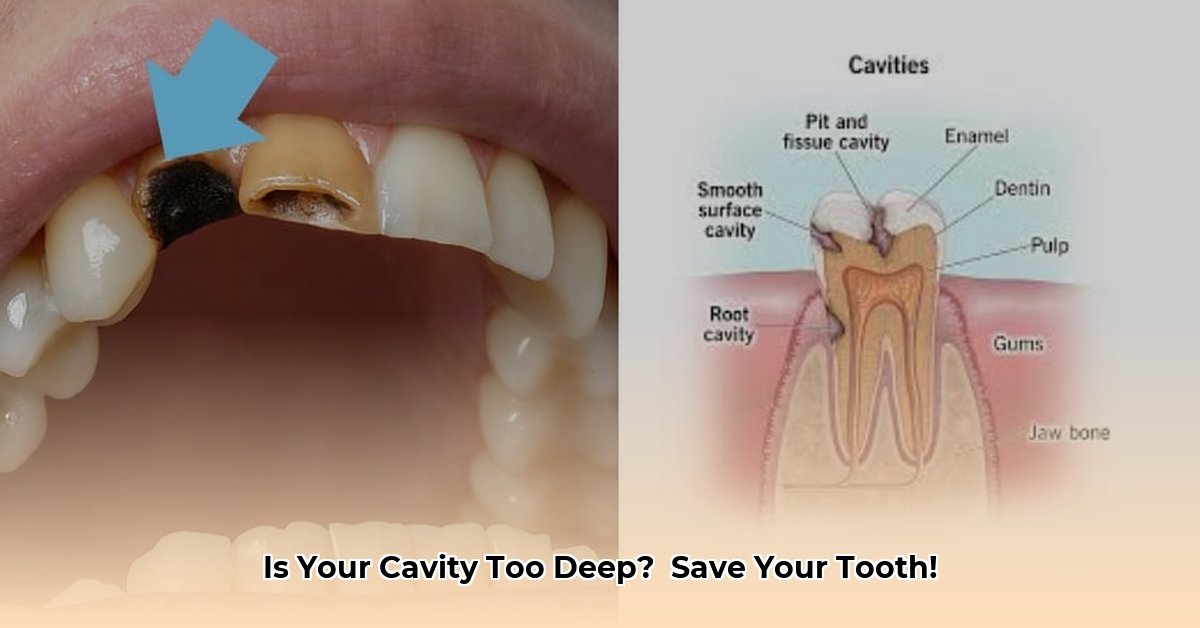
When the sharp pang of a toothache strikes, many individuals ponder a crucial question: “If a cavity hurts, is it too late?” This concern often envelops the minds of dental patients, weaving a tapestry of anxiety and fear about their oral health. The intersection of discomfort and dental decay can be perplexing, inducing a sense of urgency and the desire for immediate answers. This article aims to unravel the complexities of cavities, the implications of pain, and the potential steps to remedy this often-dreaded situation.
Before delving into the nuances of pain associated with cavities, it’s essential to comprehend what exactly a cavity is. Cavities are essentially localized areas of decay within the hard structures of teeth. They manifest when the enamel, the outer protective layer, is eroded due to the prolonged presence of plaque—a sticky film of bacteria that thrives on sugars. Over time, these bacteria produce acids that weaken and ultimately damage the teeth. The journey from an innocuous spot on your tooth to a disturbing ache can be both gradual and insidious.
Now, if you’re experiencing discomfort, it begs the question of how severe your dental situation may be. Pain in a tooth can stem from various issues, including cavities. While cavities may initially be asymptomatic, they often evolve into an entity demanding attention. When a cavity becomes painful, it typically indicates that the decay has progressed beyond the enamel, potentially penetrating the dentin—a layer of tooth material more sensitive to external stimuli.
An ache emanating from your tooth can serve as a warning sign. It is pivotal to resist the urge to ignore this pain. While the instinct may be to dismiss it as a fleeting ailment, doing so could lead to more dire repercussions. As decay progresses, bacteria can infiltrate deeper, reaching the pulp chamber, the innermost part of the tooth containing nerves and blood vessels. This stage not only intensifies the discomfort but also raises the possibility of serious complications, such as infections or abscesses.
What are the ramifications of a cavity left untreated? The narrative surrounding untreated dental decay is disconcerting. Besides escalating discomfort, untreated cavities can precipitate the necessity for more invasive interventions like root canals or extractions. These procedures come with their own array of complications, cost implications, and recovery times. Hence, confronting the discomfort proactively is vital for preserving both oral health and overall well-being.
So, is it too late if a cavity hurts? The straightforward answer is no, but taking swift action is paramount. Immediate consultation with a dental professional is key to devising an appropriate treatment plan. Dentists possess the expertise and technology necessary to assess the extent of the decay and recommend suitable interventions. Treatment options may include fillings, crowns, or, in extreme cases, root canals. The earlier you seek help, the more conservative your treatment options tend to be.
Curiously, there’s an emerging narrative surrounding the potential for remineralization, a process wherein early-stage cavities can reverse themselves if identified and treated promptly. Through fluoride treatments and enhanced oral hygiene practices—such as diligent brushing and rinsing with fluoride mouthwashes—mild decay may indeed be halted in its tracks. This promising perspective emphasizes that damage doesn’t always equal despair; rather, it can signify an opportunity to take action.
A consistently overlooked aspect of dental health is the psychological element pertaining to dental visits. Many individuals harbor a profound fear of dental practitioners, which can deter them from seeking prompt assistance. This fear—a phenomenon often rooted in childhood experiences or societal myths—must be addressed. Modern dental practices emphasize comfort and compassionate care, aiming to dispel the long-held stigma surrounding dental procedures. Thus, reframing dental experiences as integral components of health rather than dreaded visits can lead to early detection and better outcomes.
This leads us to another point of reflection: the necessity of regular dental check-ups. Preventative care serves as a bulwark against oral health crises. Regular visits empower dental professionals to monitor the health of your teeth and proactively address concerns before they evolve into painful scenarios. Reinforcing this practice not only strengthens your teeth but cultivates a healthy relationship with dental care, emphasizing its role as a partner in overall wellness.
In summary, if a cavity causes discomfort, it is not too late, but it is unequivocally a call to action. Ignoring tooth pain can lead to compounded issues that may require escalated treatments. However, embracing this pain serves as a pivotal moment for intervention and education, underscoring the importance of seeking timely dental care. The pathway to optimal oral health is paved with preventive measures, a commitment to regular check-ups, and the nurturing of a more positive relationship with dental visits. The next time a toothache besets you, remember: it’s an opportunity to reclaim control over your oral health and embark on a journey towards healing.











Leave a Comment