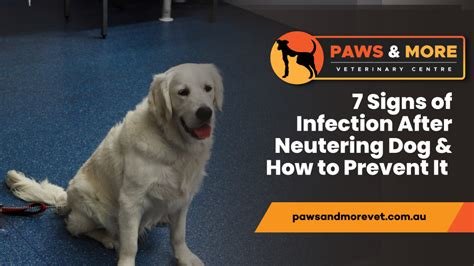
Neutering a dog is a common surgical procedure that serves to sterilize the animal and can offer numerous health benefits. However, as with any surgical intervention, it carries potential risks, including the possible onset of infection. Recognizing the signs of infection following neutering is of paramount importance for prompt treatment and the well-being of your pet. This comprehensive guide outlines the various signs to watch for, ensuring that dog owners are well-informed and vigilant during the recovery phase.
Understanding the Surgical Site
After neutering, the incision site requires careful monitoring. The surgical procedure involves removing the testicles through a small incision, typically made in the scrotal area or abdomen. As healing progresses, the incision site should transform from the initial state of rawness to a closed and healing wound. Familiarizing yourself with what constitutes a normal post-operative site is crucial.
1. Redness and Swelling
Initial post-operative swelling around the incision site is normal to some extent. However, if the redness persists beyond a few days or if the swelling develops further, it may indicate an infection. An excessive accumulation of fluid tinged with pus can also manifest, signaling a need for veterinary evaluation.
2. Increased Discharge
While minimal discharge might be acceptable, any discharge that is thick, yellow, green, or has a foul odor should raise alarm bells. This is often a sign that bacteria have infiltrated the surgical site, necessitating professional intervention.
3. Heat at the Incision Site
The presence of increased warmth at the incision site can be indicative of infection. Use the back of your hand to gently feel the area; a marked difference in temperature between the surgical site and surrounding skin could suggest an underlying issue that warrants immediate attention.
4. Persistent Bleeding
During the initial days of recovery, minor bleeding may occur. However, if the bleeding becomes profuse or does not diminish after a couple of days, it is essential to assess the situation critically. Continuous bleeding can signify a compromised surgical site or internal complications.
5. Excessive Licking or Chewing
Most dogs instinctively lick their wounds; however, if your dog is obsessively licking or chewing at the incision site, it can lead to further irritation and open the door for infection. It’s imperative to employ a protective collar (e-collar) to prevent this behavior and facilitate healing.
6. Changes in Behavior
A sudden alteration in your dog’s demeanor can be an excellent indicator of discomfort or underlying complications. If your dog, usually spirited and social, becomes lethargic, withdrawn, or shows signs of pain such as whining or excessive panting, it may suggest an infection or adverse reaction to the surgery.
7. Loss of Appetite
Post-surgery, some dogs may exhibit a decrease in appetite, which can be attributed to anesthesia or pain. Nevertheless, a sudden and persistent refusal to eat, especially when accompanied by other signs, such as vomiting or diarrhea, may indicate an infection or other health complications that require veterinary evaluation.
8. Fever
A fever, defined as an elevated body temperature exceeding 102.5°F (39.2°C), can often signal an infection within your dog’s body. Monitoring your dog’s temperature regularly can provide valuable information regarding their recovery. If fever is detected, immediate consultation with your veterinarian is critically advised.
9. Odor from the Incision Site
A foul or unusual odor emanating from the incision area often signifies the presence of bacteria. This abnormal scent typically accompanies other symptoms such as increased swelling or discharge. If you notice any unpleasant odor, it is prudent to seek veterinary attention as soon as possible.
10. Signs of Systemic Infection
In some cases, infections can develop systemically, leading to broad manifestations in your dog’s overall health. Look for extreme lethargy, vomiting, diarrhea, or any signs of disorientation. Systemic infections can quickly escalate, requiring immediate emergency care.
Precautionary Measures to Prevent Infection
Prevention is always preferable. Ensuring proper postoperative care can significantly reduce the risk of complications. Keeping the incision clean and dry, minimizing activity during the recovery period, and adhering to follow-up veterinary appointments are essential steps. Furthermore, ensuring your dog is up to date on vaccinations and overall health can enhance resilience against infections.
Conclusion
Neutering is a beneficial procedure that requires diligent post-operative care. Being equipped with knowledge about the signs of infection is a vital component of responsible pet ownership. By recognizing the symptoms highlighted in this guide, dog owners can take action swiftly, safeguarding their pet’s health and ensuring a smooth recovery. Ongoing communication with a veterinarian is crucial for optimal outcomes. Remaining vigilant not only helps in early detection of possible ailments but also reinforces the bond between you and your furry companion.








Leave a Comment