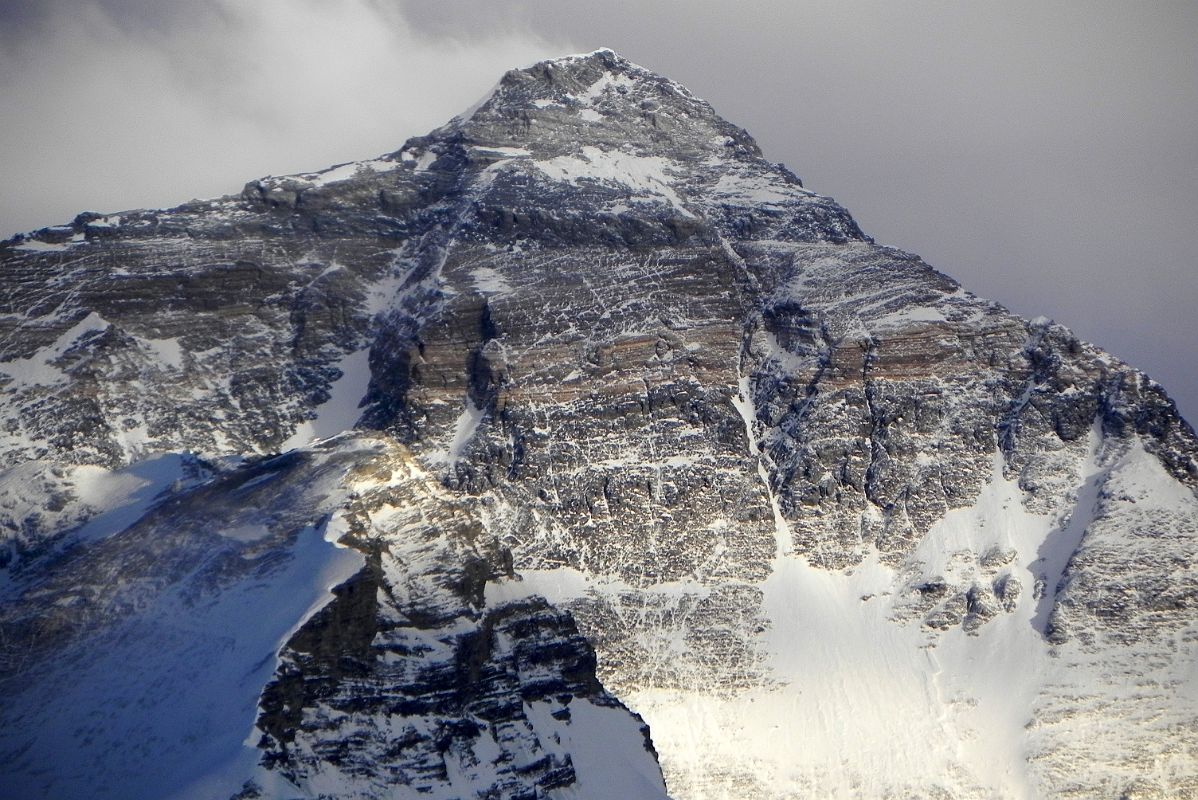
The North Face of Mount Everest, an awe-inspiring bastion of natural grandeur, stands as both a formidable challenge and a siren call to adventurers and climbers around the globe. This rugged expanse, characterized by its steep vertical walls and perilous crags, presents a unique tapestry of experiences and hazards for those daring enough to approach. In this exploration, we delve into the multifaceted aspects of the North Face, providing insights for climbers, historians, and enthusiasts alike.
1. Overview of the North Face
The North Face of Everest, rising to an elevation of 8,848 meters, is often shrouded in an enigmatic allure. Unlike its more popular southern counterpart, the northern aspect is renowned not only for its technical difficulty but also for the rugged beauty that surrounds it. With sheer rock faces, glacial formations, and frequent avalanches, it serves as a crucible for climbers who are both skilled and intrepid.
2. Historical Significance
The first ascent of the North Face was achieved in 1960 by a Chinese expedition, marking a significant milestone in mountaineering history. Their audacious attempt was pivotal, not only for the climbers but also for international perceptions of Everest. Over the decades, the North Face has seen numerous attempts, and with each ascent, climbers have contributed to the evolving narrative of this majestic peak. The challenges faced by climbers have prompted advances in climbing techniques and gear, pushing the boundaries of what is possible in high-altitude mountaineering.
3. The Climbing Routes
Climbers typically access the North Face via the Tibet route, where several established routes present various degrees of difficulty. Among these, the ‘Northeast Ridge’ is often favored by experienced mountaineers. However, the ‘North Pillar’ and ‘Shishapangma Route’ offer additional challenges, demanding adept navigation through craggy terrains and icy ledges. Each route presents a different narrative, unveiling its unique hazards and exhilarations—be it crevasses, seracs, or the infamous ‘death zone’ above 8,000 meters, where the very air thins and survival becomes a daily struggle.
4. Climational Challenges
The North Face is notorious for its inhospitable weather patterns. Howling winds, sudden snowstorms, and plummeting temperatures can manifest without warning, turning a well-planned ascent into a fight for survival. Climbers require not only technical prowess but also resilience against the capricious elements. The psychological toll of such a journey cannot be understated, as climbers contend with isolation, altitude sickness, and the perpetual threat of avalanches and rockfall, each step becoming a dance with danger.
5. Gear and Preparation
Preparation for an ascent of the North Face begins long before the climber sets foot on the mountain. Proper acclimatization and conditioning are paramount. This involves not just building physical strength but also acquiring specialized gear suited for extreme conditions. High-altitude boots, ice axes, crampons, and advanced layering systems for thermal insulation are essentials. Moreover, the importance of high-quality tents and sleeping bags capable of withstanding sub-zero temperatures is critical for overnight shelter during the expedition.
6. Environmental Concerns
As adventurers flock to the North Face, the ecological footprint of their aspirations raises pertinent questions regarding environmental stewardship. Increasing tourism and climbing activities have led to significant waste management challenges on Everest, posing a threat to the fragile ecosystem. Efforts have begun to mitigate these impacts, emphasizing the need for climbers to adhere to the principles of Leave No Trace and actively participate in initiatives aimed at preserving the purity of this majestic environment.
7. Cultural Perspectives
The North Face is not merely a climbing challenge; it is intertwined with the cultural fabric of the Sherpa people, who play an indispensable role in the climbing community. Their rich history and traditions offer insights into the spiritual significance of the mountain itself. For many Sherpas, Everest is revered not solely as a climbing destination but as a sacred entity. Recognizing this cultural dimension is essential for fostering respectful interactions between climbers and local communities.
8. The Future of Climbing the North Face
As mountaineering technology continues to evolve, future climbs of the North Face will likely integrate advancements that enhance safety and efficiency. Drones for surveying and communication systems that ensure connection during perilous climbs are becoming increasingly prevalent. However, the inherent risk will always remain, and with it, the eternal allure of the North Face. Each ascent will embody the climbers’ drive, the spirit of adventure, and the ever-present relationship between man and nature.
Conclusion
The North Face of Mount Everest remains an iconic beacon for climbers around the world, standing as a testament to human ambition against the backdrop of nature’s might. Whether one approaches it with the intent to climb, observe, or learn, the face of this colossal mountain offers a unique blend of exhilarating challenges and profound moments of introspection. It is a realm where dreams are woven into the fabric of adventure, continuously inviting those daring enough to explore its lofty heights.










Leave a Comment