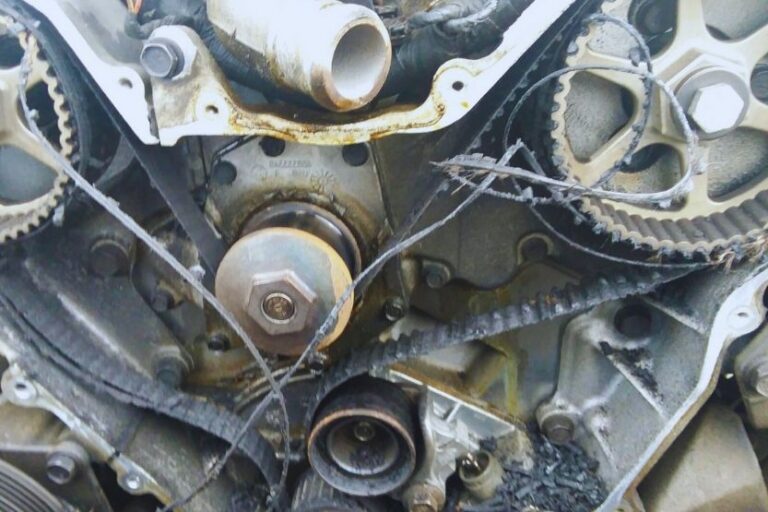
In the intricate world of automotive engineering, the timing belt serves as a silent conductor, orchestrating the symphony of mechanical components under the hood. The proper functioning of this crucial element is akin to a finely tuned metronome, guiding the movement of the engine’s pistons and valves in perfect harmony. However, like any instrument that falls out of tune, the timing belt can exhibit warning signs when it begins to falter, leading to potentially catastrophic outcomes. Understanding the symptoms of a failing timing belt is paramount for any vehicle owner who wishes to avoid the cacophony of engine failure, and below, we explore the various indicators of impending doom.
1. Unusual Noises: An Overture of Trouble
One of the first signs that your timing belt may be on the verge of failure is the emergence of unfamiliar sounds emanating from the engine bay. A rhythmic ticking or rattling noise can signal that the belt has become worn or is misaligned. These sounds can be likened to the discordant notes of a musical piece, suggesting that something is amiss. If you find yourself hearing these ominous harmonies, it is imperative to investigate further, as this could indicate that the timing belt is loosening its grip on the components it governs.
2. Engine Misfires: The Dissonance of Performance
As the timing belt begins to wear, its ability to keep the engine’s cylinder timing in check diminishes. This can lead to engine misfires, where the combustion process fails to ignite the fuel-air mixture in sync with the movement of the pistons. The experience can be likened to a musical performance where each instrument plays out of sync, resulting in a dissonant effect. If your vehicle feels hesitant during acceleration or experiences rough idling, it may be time to consider that the timing belt could be the culprit.
3. Reduced Power and Acceleration: The Sluggish Sonata
A timing belt that is failing can significantly hinder your vehicle’s power and acceleration capabilities. As the belt becomes increasingly ineffective, the normally harmonious balance between power demand and delivery starts to falter. Imagine driving a car that feels as though it is trying to drag a heavy load uphill; that is precisely the sensation that can accompany a deteriorating timing belt. If your vehicle hesitates to respond when you press the accelerator, a thorough inspection of the timing belt and related components is in order.
4. Engine Squealing: A Wailing Warning
One might describe the sound of a failing timing belt as a desperate cry for help. A high-pitched squeal or screeching noise can be particularly pronounced during engine startup or when idling. This audible lamentation often signals that the timing belt is loose or that its accompanying pulleys are experiencing wear. Much like the shrill cry of a discontented orchestra member, ignoring this warning can lead to discord within the engine, raising the stakes even higher. A close examination is essential at this stage to prevent severe damage.
5. Oil Leakage: A Sign of Fractured Seals
When a timing belt wears down, it can cause cracks or damage to the camshaft seals or front crankshaft seal, leading to oil leaks. This situation can be likened to an artist’s canvas suffering from wear and tear; once the integrity is compromised, things begin to unravel. A puddle of oil forming beneath your vehicle is not just an unsightly mess; it can also mean that the synthesis of parts controlled by the timing belt is endangered. Investigating oil leaks should be a priority for any vigilant vehicle owner.
6. Dashboard Warning Lights: The Beacon of Alert
Modern vehicles are equipped with advanced diagnostic systems that can alert drivers to myriad issues. The illumination of the check engine light or other warning signals on your dashboard is a digital clarion call demanding immediate attention. These warnings may arise from timing belt-related errors, as the belt’s malfunction can affect engine performance on multiple levels. Just as a conductor raises their baton to signal an impending crescendo, your dashboard light is beckoning you to assess the condition of your timing belt promptly.
7. Visible Wear and Tear: The Ominous Preview
A visual inspection of the timing belt itself can reveal a wealth of information about its health. If you notice cracks, fraying edges, or excessive dust accumulation, these are red flags that should not be ignored. Much like a philosopher scrutinizing the intricate brushstrokes of a master painting, you must pay attention to these details to gauge the timing belt’s functionality. Spotting these signs early can mean the difference between proactive maintenance and a sudden, costly breakdown.
Conclusion: The Importance of Vigilance
The timing belt is often overshadowed by more glamorous components within your vehicle, yet it plays a crucial role in the orchestration of engine performance. By learning to recognize the symptoms of a failing timing belt, drivers can preserve the integrity of their engines and avoid catastrophic failures that can leave them stranded on the figurative side of the road. Vigilance and awareness are key; keep your ear attuned to the subtle notes of your vehicle’s performance and respond promptly to the signs of distress. After all, in the grand symphony of automotive maintenance, the timing belt deserves its rightful place in the spotlight.










Leave a Comment