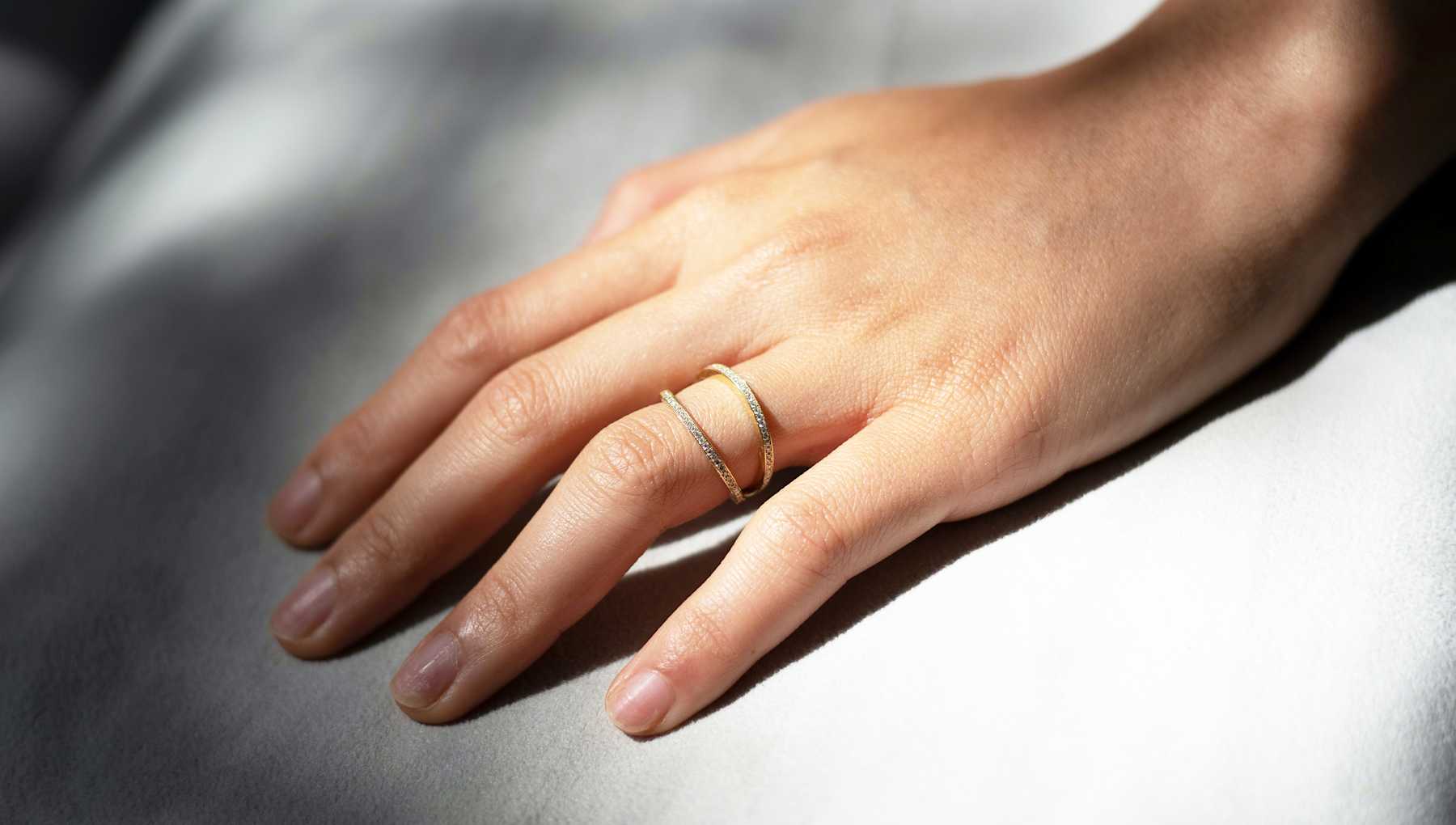
When it comes to selecting the perfect ring, size is paramount. Yet, have you ever pondered what the *average* women’s ring size is? It’s a playful question that might lead you to a dilemma: How can you confidently choose a ring that fits just right? In this exploration of women’s ring sizes, we will delve into the average measurements, factors affecting size, methods for determining that elusive perfect fit, and tips for navigating the whimsical world of ring shopping.
Understanding Average Ring Sizes
Generally, the average women’s ring size hovers between 6 and 7. This figure, however, represents a mere statistical midpoint. Just like a well-tailored dress, ring sizes can vary based on numerous physical and aesthetic factors. Variability, too, is a hallmark of individuality – and that’s where the adventure truly begins.
Factors Influencing Ring Size
Several elements come into play when determining a woman’s ring size. Body composition, genetics, and lifestyle choices all contribute to this assessment, providing insight into why some women may fall outside the norm:
- Body Composition: Weight fluctuations can impact finger size, particularly in individuals who experience significant changes in body mass. A temporary swell can alter the fit of rings, turning the perfect adornment into a cumbersome accessory.
- Genetics: Inherited traits often dictate how individuals present, including finger shape and size. Family traits may subtly influence overall dimensions, thus tightening or loosening the average size definition.
- Climate: Did you know that temperature can affect your fingers? Cold weather can cause contraction, whereas heat often leads to expansion. These natural physiological responses can lead to discrepancies in fitting at different times of the year.
- Lifestyle Choices: Regular exercise can strengthen and change the structure of hands, while conditions like arthritis can alter finger size. It’s critical to consider these varying day-to-day factors that may affect fit.
Measuring Ring Size Accurately
Establishing the right size can seem daunting, but there are several methods to accurately measure a ring size:
- Using a Ring Sizer: The most precise method involves using a dedicated ring sizer. These tools are often readily available at jewelers and can provide a respectful approach to gauging ring size without requiring a purchase.
- DIY Measurements: In lieu of professional tools, you can use a piece of string or a strip of paper. Wrap it around the finger in question, mark the point where it overlaps, and then measure the length against a ruler. Converting this measurement into a ring size chart can yield satisfactory results.
- Existing Rings: If a suitable ring already adorns your finger, it may serve as a reference point. Measuring the internal diameter of that ring will provide a close approximation of your ideal size.
Challenges in Choosing the Right Size
Even with measurement methods at your disposal, challenges can still arise when selecting a ring. The question lingers: How do you account for variations when shopping? Here are some considerations to keep in mind:
- Style of the Ring: Wider bands often fit more snugly than narrower ones. This means that while you may comfortably wear a size 7 ring, a broader design could necessitate an increase to a size 7.5 or even 8.
- Seasonal Changes: If you’re purchasing a ring during warmer months, it’s advisable to consider that fingers tend to swell due to the heat, potentially skewing size considerations. Selecting a size adjustable ring could offer a versatile solution.
- Different Jewelry Brands: Variations in sizing across different jewelry brands can lead to purchasing discrepancies. It’s prudent to review each brand’s specific sizing recommendations before making a commitment.
Common Myths about Ring Sizing
As with any subject, misconceptions abound regarding ring sizes for women. Dispel these myths to ensure your diamond quest is not marred by misinformation:
- All Fingers Are the Same: It’s a fallacy that one size fits all when it comes to different fingers. Each finger can possess its unique size, and understanding this allows for a customized shopping experience.
- Size Cannot Change: Contrary to popular belief, ring sizes can change over time due to weight fluctuations and natural aging processes. This fluidity highlights the necessity for periodic reassessment.
Conclusion
Determining the average women’s ring size is only the tip of the iceberg in a much deeper exploration. By understanding the factors influencing size, knowing how to measure accurately, and overcoming common challenges, you can overcome the playful quandary of ring shopping. Whether you’re selecting a token of love or an expression of individuality, the perfect fit awaits – but it requires a dash of knowledge and an ounce of adventurous spirit. Happy hunting!






Leave a Comment