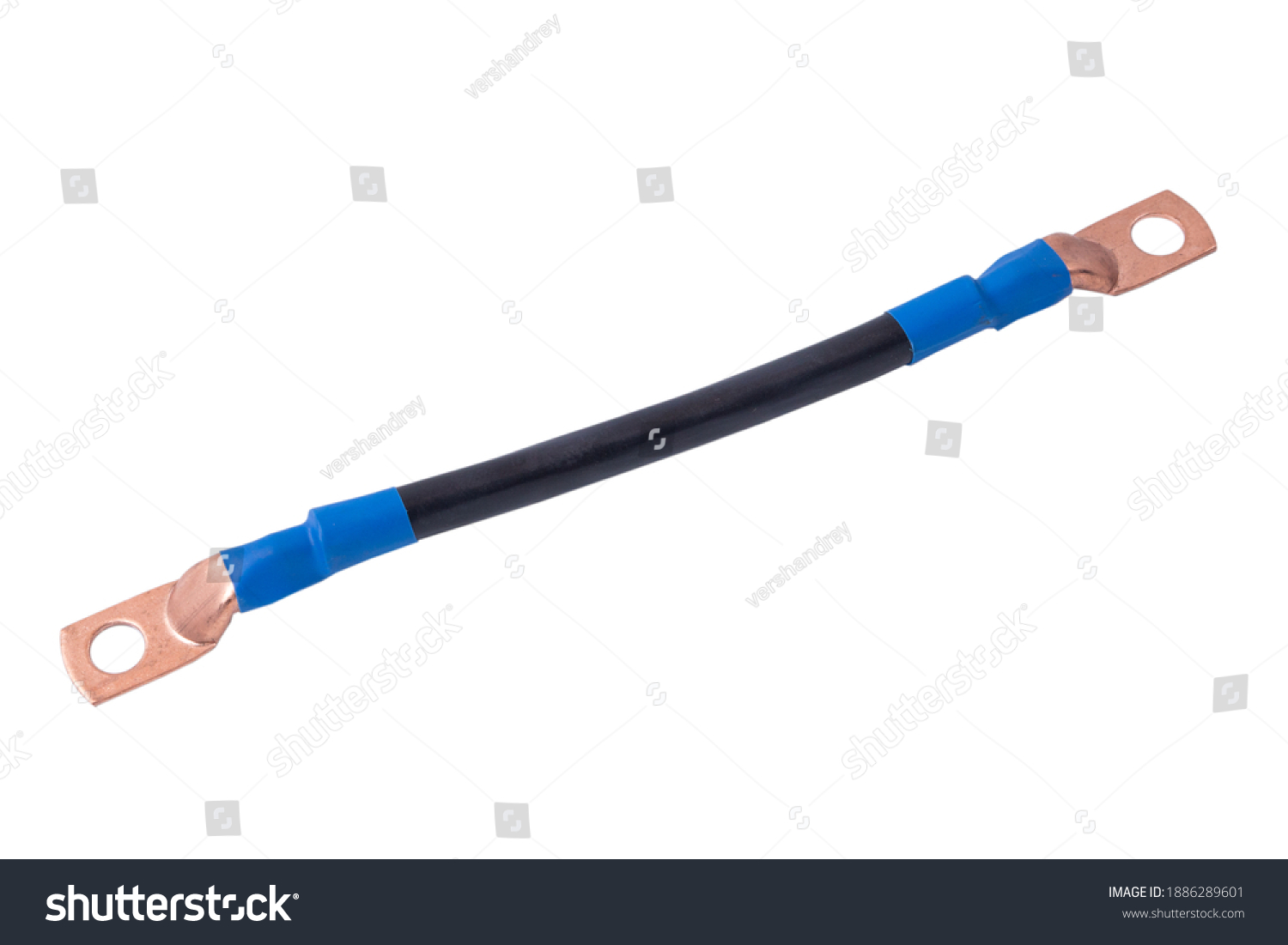
Across the landscape of modern transportation, the contact wire serves as a vital artery, delivering electrical power to train systems worldwide. Its strength is often a subject of inquiry, particularly for those who appreciate the intricate engineering that underpins our daily commutes and freight systems. In this exploration, we unravel the multifaceted dimensions of contact wire strength, assessing its significance in the realm of rail infrastructure, while uncovering the underlying mechanisms that contribute to its remarkable resilience.
Contact wires, typically composed of copper or aluminum, form the overhead line equipment that supplies electricity to electric trains. The design philosophy prioritizes several critical factors: tensile strength, elasticity, and capacity for current transmission. Yet, one might wonder, just how strong is a contact wire? To decipher this question, it is essential to delve into the materials and engineering doctrines that inform their construction.
1. Material Composition
The choice of materials is paramount when addressing the strength of contact wires. Copper, beloved for its exceptional conductivity, is often the material of choice. With a high tensile strength of around 210 MPa, it withstands significant stress without succumbing to deformation. Aluminum also finds its place within this domain, presenting a lighter alternative with a tensile strength of approximately 70 MPa. While aluminum is not as conductive as copper, it is favored in some applications due to its weight advantages and resistance to corrosion.
2. Tensile Strength and Elasticity
Tensile strength, or the maximum stress that a material can endure while being stretched, directly influences the performance and reliability of contact wires. The elasticity of the wire material is equally crucial; it determines how well a wire can return to its original form after being subjected to external forces. A well-engineered contact wire possesses a balanced combination of strength and flexibility, safeguarding it against the dynamic loads experienced during train operation. These wires must endure vibrations and thermal expansion without compromising their structural integrity over time.
3. Manufacturing Techniques
Advancements in manufacturing processes too have a significant bearing on the strength of contact wires. Techniques such as drawing and annealing refine the microstructure of the metal, thereby enhancing its properties. Cold drawing, for example, reduces the cross-sectional area while increasing the length of the wire, resulting in optimized tensile strength. Furthermore, through annealing, manufacturers can manipulate the metal’s grain structure for better ductility, minimizing the likelihood of cracks under stress.
4. Environmental Considerations
Contact wires often contend with multifarious environmental factors, including temperature fluctuations and corrosion. The impact of thermal expansion cannot be overstated. A wire that is too tight due to cold temperatures risks snapping, while one that is too loose can lead to electrical disconnections. Various coatings are employed to enhance the durability of contact wires, protecting them from corrosion caused by humidity and other elements. Ensuring a robust design that incorporates these considerations adds another layer to the strength and reliability of the wire.
5. Engineering Standards and Testing
The strength of contact wires is not merely determined by their material composition but also by rigorous engineering standards and testing protocols. Regulatory bodies impose comprehensive guidelines that dictate wire specifications across different rail networks. Testing procedures, including tensile tests and fatigue assessments, ensure that each wire can withstand the demands of operational conditions. Maintaining these standards is crucial for preventing catastrophic failures, safeguarding the integrity of the rail system.
6. Practical Performance and Longevity
When finally placed overhead, contact wires undergo intense scrutiny in real-world applications. Their actual performance is a testament to the material science and engineering principles applied during manufacturing. A well-constructed contact wire possesses sustained strength over its lifespan, typically ranging from 20 to 30 years, depending on the environment and operational demands. Regular inspections and maintenance strategies are employed to detect wear and fatigue, further enhancing safety and reliability.
7. Innovations on the Horizon
The fascination with contact wires extends beyond mere functionality. With technological advancements on the horizon, new composite materials and smart sensing technologies are poised to revolutionize the future of overhead electrical systems. The integration of sensors within contact wires could allow for real-time data collection, monitoring structural health and providing early warning for potential failures. As research continues to glean insights into nanotechnology and materials science, the strength and utility of contact wires will evolve accordingly.
In summation, the strength of a contact wire represents a synthesis of material composition, engineering innovation, and rigorous standards. This robust piece of infrastructure plays an indispensable role in the efficacy and safety of train operations. Each wire tells a story of advanced engineering principles and practical realities, epitomizing the careful balance between strength and flexibility. As technology progresses, our understanding of contact wires and their role in transport systems will deepen, illustrating the quiet marvel of this often-overlooked component in the realm of railways.










Leave a Comment